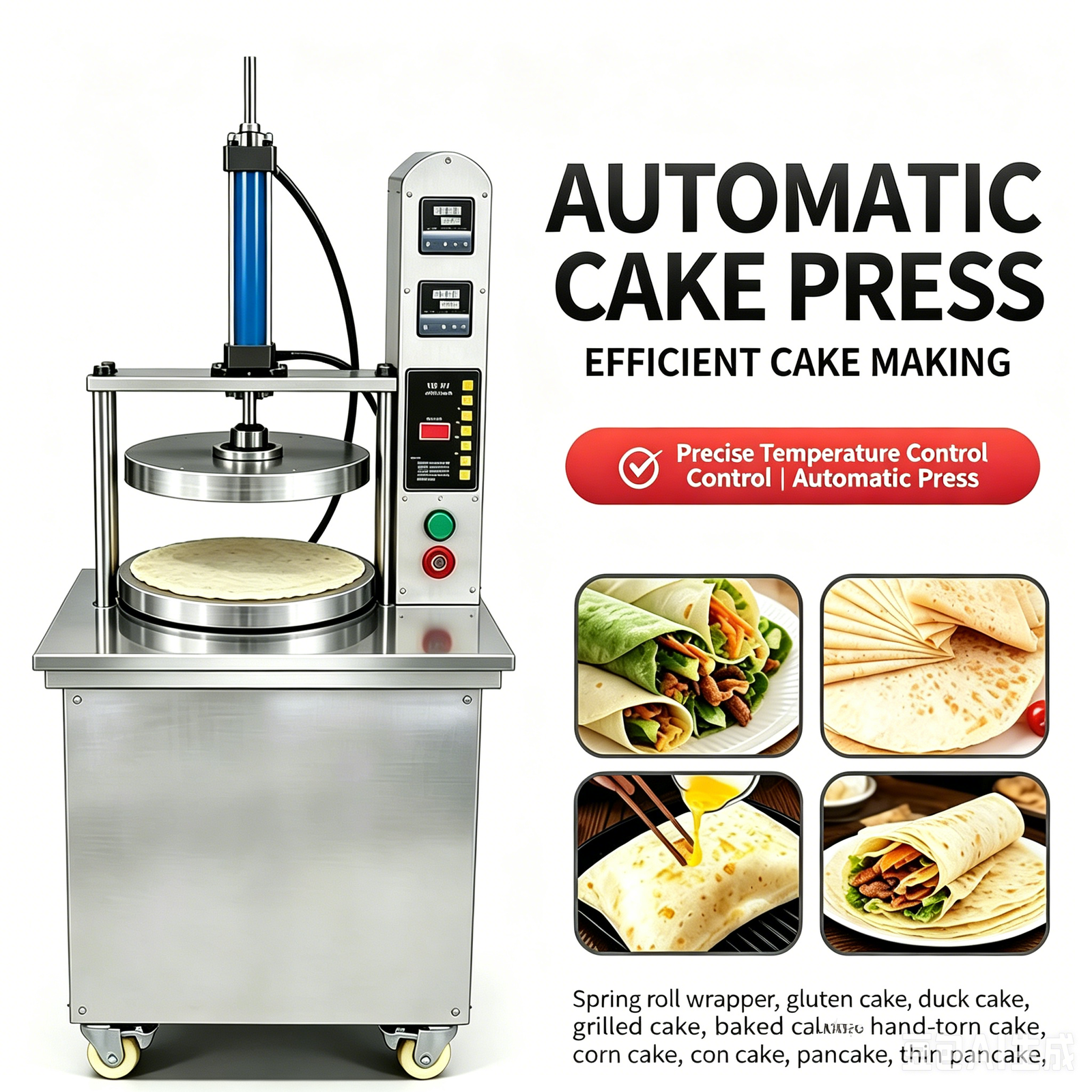
Best CNC Hydraulic Fully Automatic Commercial Pancake Press Machine: 5 Key Parameters for B2B Buyers
When searching for the best CNC hydraulic fully automatic commercial pancake press machine, B2B buyers need to look beyond the label. The true measure of a machine lies in its hydraulic pressure stability, CNC control precision, output capacity, construction materials, and after-sales support. This guide breaks down the five critical parameters that separate a reliable workhorse from a costly mistake, helping you make an informed purchase decision for your food production line.
1. Hydraulic System Pressure and Stability
The hydraulic system is the heart of any pancake press. For consistent product thickness and texture, the machine must maintain stable pressure throughout the pressing cycle. Look for a system with a rated pressure of at least 20 tons and a pressure holding accuracy of ±1%. A quality CNC hydraulic press uses proportional valve control to adjust pressure in real-time, ensuring each pancake receives identical force. In contrast, cheaper models with manual valves often suffer from pressure fluctuations, leading to uneven cooking and higher reject rates. For high-volume operations, consider a machine with dual-pump technology for faster cycle times without pressure drops.
2. CNC Control Precision and Programmability
The CNC (Computer Numerical Control) aspect is what sets the best machines apart. A true CNC pancake press allows you to store multiple recipes—each with specific pressing force, dwell time, and plate gap—and recall them at the touch of a button. This is invaluable when producing different pancake varieties (e.g., thin crepes vs. thick fluffy pancakes). Check the control interface: a user-friendly touchscreen with multilingual support and USB recipe transfer is a plus. Also, verify the resolution of the linear encoders; a resolution of 0.01mm ensures precise gap control, which directly affects product weight consistency. Avoid machines that merely have a digital timer but lack closed-loop feedback—those are not true CNC.
3. Output Capacity and Cycle Time
For commercial kitchens and food factories, throughput is critical. The best CNC hydraulic fully automatic commercial pancake press machine should deliver a cycle time of 10-15 seconds per press, translating to 240-360 pancakes per hour (assuming single-cavity). If your demand is higher, look for multi-cavity models (2 or 4 cavities) that can multiply output without increasing floor space. However, be cautious: higher cavity count may require a more powerful hydraulic system to maintain pressure uniformity. Always request a video demonstration or a sample test to confirm actual cycle times under load. Also, consider the loading and unloading automation—some machines integrate with conveyor belts for seamless flow.
4. Construction Materials and Hygiene Design
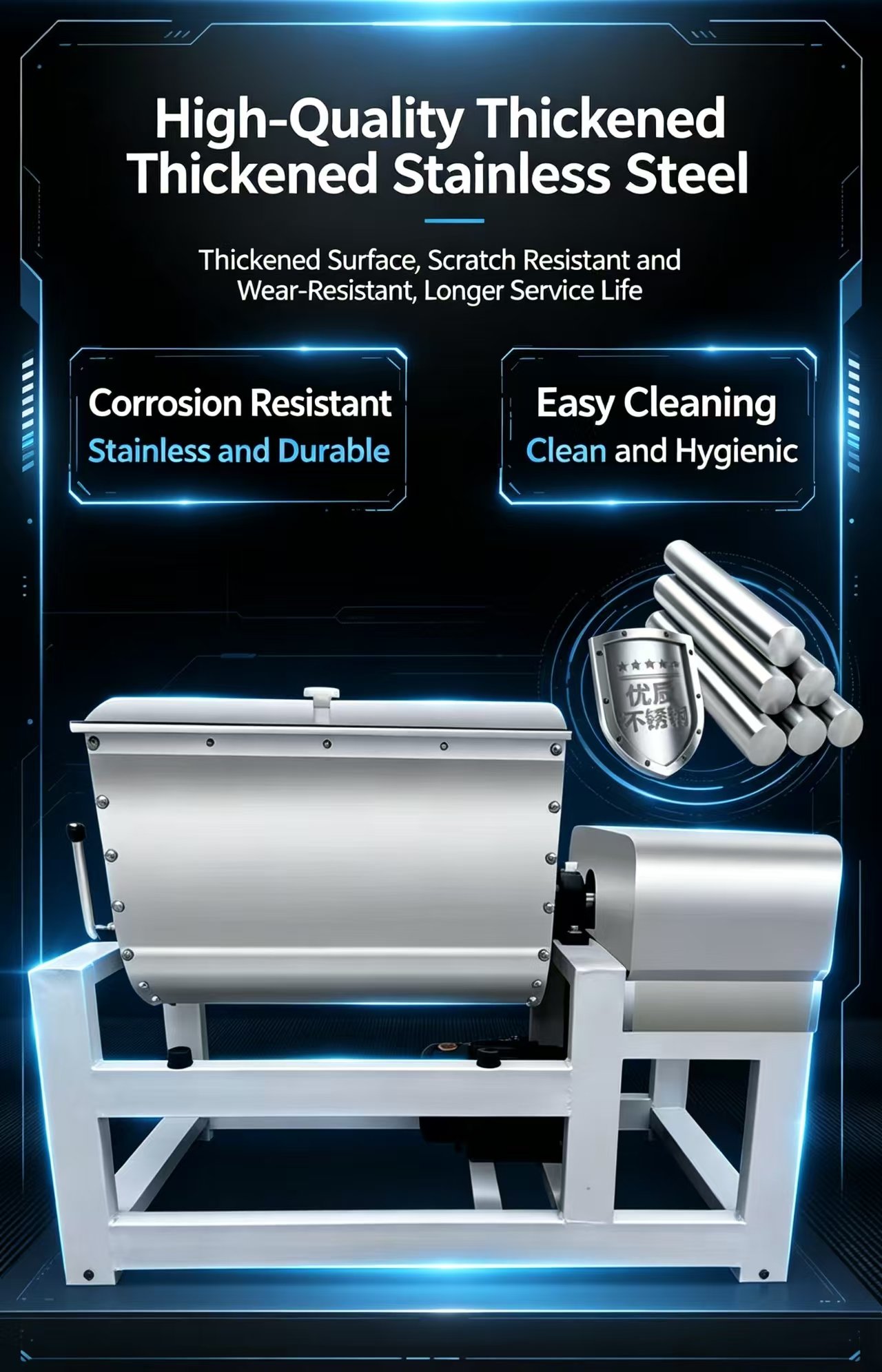
Since pancake presses operate in food production environments, hygiene and durability are non-negotiable. The best machines are built with 304 or 316 stainless steel for all food-contact parts, including the pressing plates and hopper. The frame should also be stainless steel or powder-coated carbon steel for corrosion resistance. Look for smooth, crevice-free surfaces and quick-release mechanisms for easy cleaning. IP65-rated electrical components are recommended for washdown areas. Additionally, check that the hydraulic oil is food-grade (NSF H1) in case of accidental leakage. A machine that is easy to clean not only reduces downtime but also helps you comply with food safety regulations—an important consideration given recent food poisoning incidents linked to catered food in Singapore. Investing in hygienic equipment protects your brand reputation.
5. Cost, Warranty, and After-Sales Support
Pricing for a CNC hydraulic fully automatic commercial pancake press machine varies widely based on capacity and features. Entry-level single-cavity models start around $8,000-$12,000, while high-end multi-cavity machines with advanced CNC can exceed $25,000. However, the purchase price is only part of the total cost of ownership. Evaluate the warranty period (at least 2 years is standard for quality manufacturers), availability of spare parts, and response time for technical support. A machine that breaks down for weeks without support can cost you far more than the initial savings. Ask for a list of local service partners or check if the manufacturer offers remote diagnostics. Also, consider training: does the supplier provide on-site training or detailed video tutorials? This reduces operator errors and extends machine life.
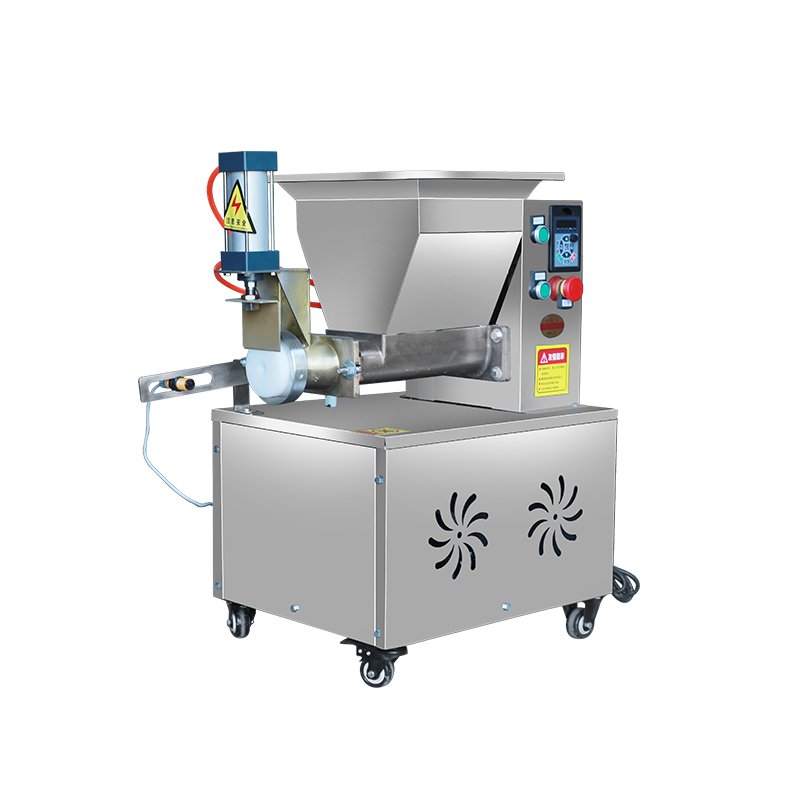
In summary, selecting the best CNC hydraulic fully automatic commercial pancake press machine requires a balanced evaluation of hydraulic performance, CNC intelligence, output, hygiene, and support. By focusing on these five parameters, you can avoid common pitfalls and invest in equipment that delivers consistent quality and reliable service for years. For a complete range of commercial food processing equipment, including dough mixers and dividers, explore our product line. You may also find our industry news and buying guides helpful for other equipment decisions.