Food machinery purchasers must read: New opportunities in the US food processing market from SNAP's monthly subsidy of $187.94 per capita
In fiscal year 2025, the per capita monthly subsidy amount of the Supplemental Nutrition Assistance Program (SNAP) in the United States was $187.94. This data may seem far from the food machinery industry, but it actually implies an important market signal: the food consumption capacity of low-income groups directly affects the demand structure of processed foods, which in turn places new requirements on the selection, production capacity and automation of food machinery. As a food machinery buyer, understanding this trend will help to accurately locate the direction of equipment investment and seize the market opportunities brought by policy dividends.
How does the flow of SNAP funds affect the demand for food processing equipment?
The SNAP grant is mainly used to purchase basic food items such as bread, cereals, dairy products, meat and fruits and vegetables. The monthly grant of $187.94 per capita means that recipients tend to choose cost-effective processed foods such as pre-packaged bread, canned food, frozen vegetables and ready meals. The production of such products relies heavily on equipment such as continuous mixers, automatic filling lines, tunnel freezers and metal detectors. For food machinery purchasers, this meansMedium and large continuous production equipmentThe demand for this product will continue to grow steadily, especially for models that can handle high-volume raw materials and maintain cost advantages.
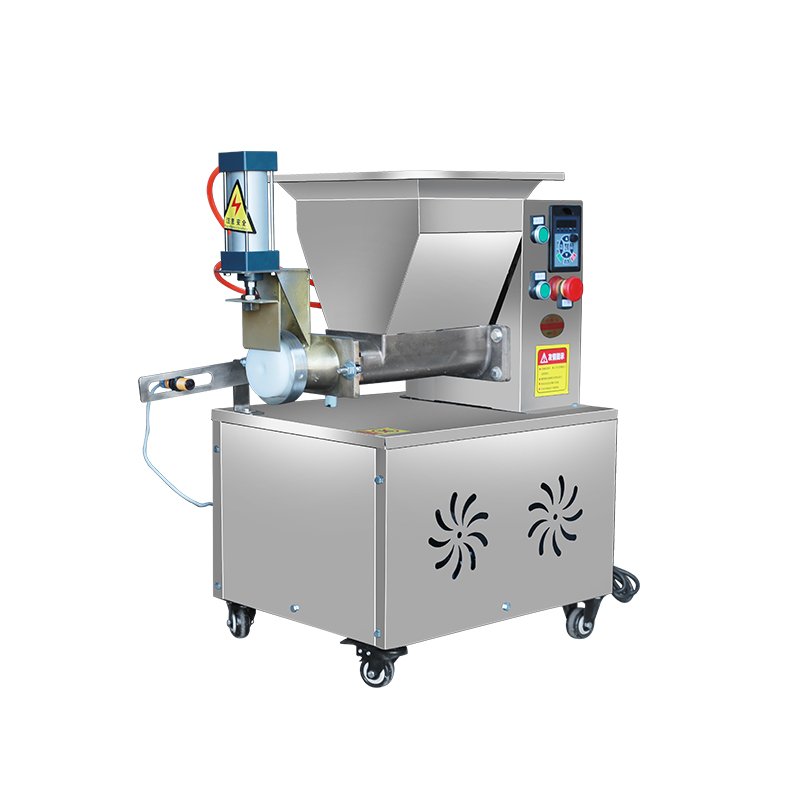
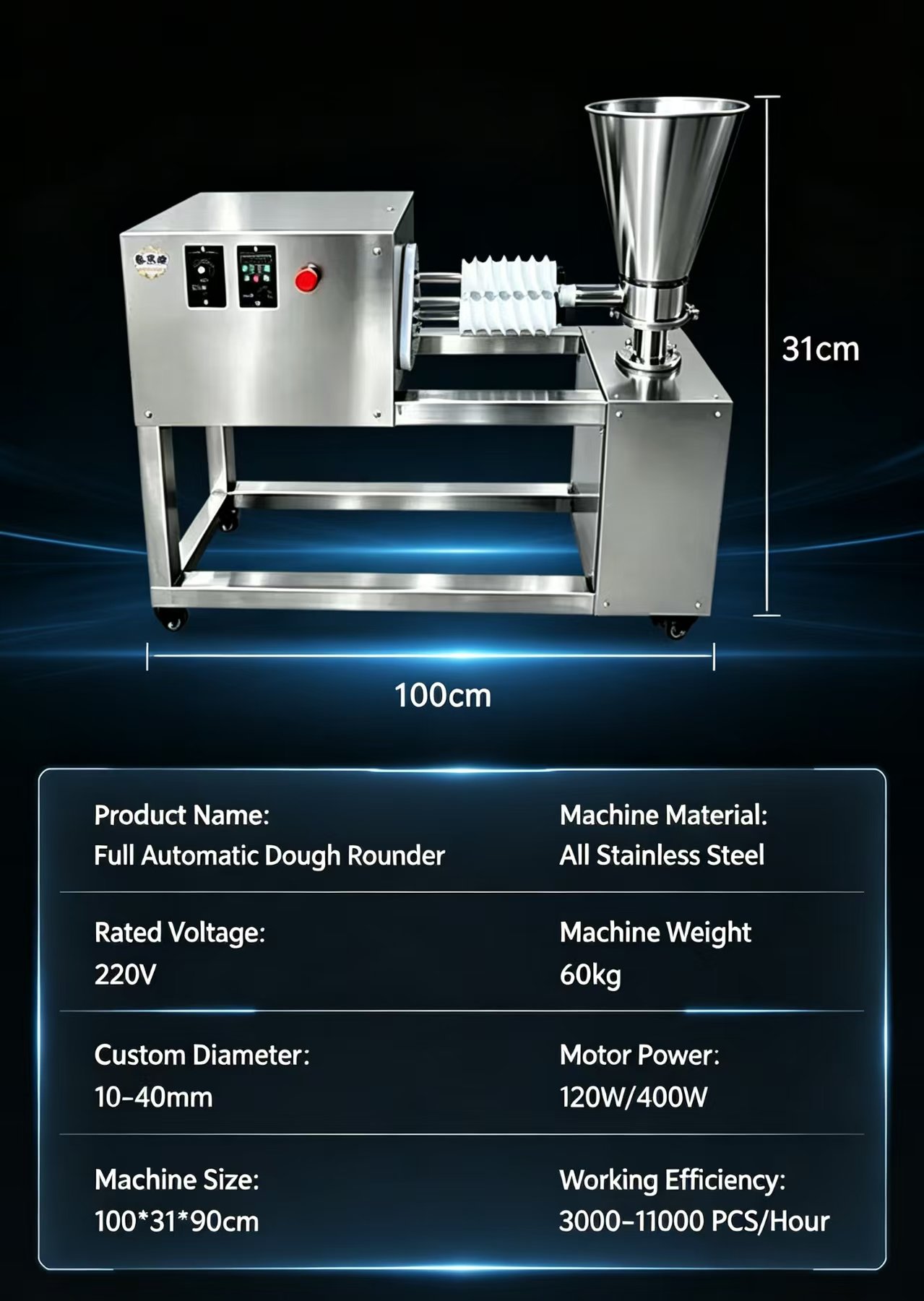
Taking bread production as an example, SNAP beneficiary families purchase sliced bread and hamburger embryos more frequently, which promotes baking enterprises to expand production capacity. Buyers should pay attention to havingProduction capacity of more than 1 ton per hourTunnel ovens and automatic division rounding machines can significantly reduce unit energy consumption and labor costs. If you are planning a baking line, please refer toOur product centerDetailed parameters for continuous baking equipment.
Key technical points in cost-effective food processing
For the SNAP-driven market, food processing companies need to cut costs without sacrificing food safety. The following technical points deserve buyers' attention:
- Modular designEasy to quickly change molds and adjust production capacity, to adapt to multi-category small batch orders.
- Energy efficiencyFryers and cookers with heat recovery systems can reduce gas consumption by 15% to 20%.
- Automated sorting and packagingVisual recognition system combined with weighing module to reduce manual contact and improve packaging consistency.
- Hygienic designEquipment that meets 3-A and EHEDG standards can reduce cleaning time and increase effective production time.
For example, in frozen vegetable processing, fluidized freezers (IQFs) are about 30% more energy efficient than traditional blast freezers and better maintain product form. When evaluating equipment, purchasers should request suppliers to provideEnergy consumption data per ton of productandCleaning verification reportRather than just focusing on the purchase price.
Application scenarios: Three popular production lines from SNAP requirements
Combined with a monthly subsidy of $187.94 per capita, we have sorted out three production lines worthy of attention:
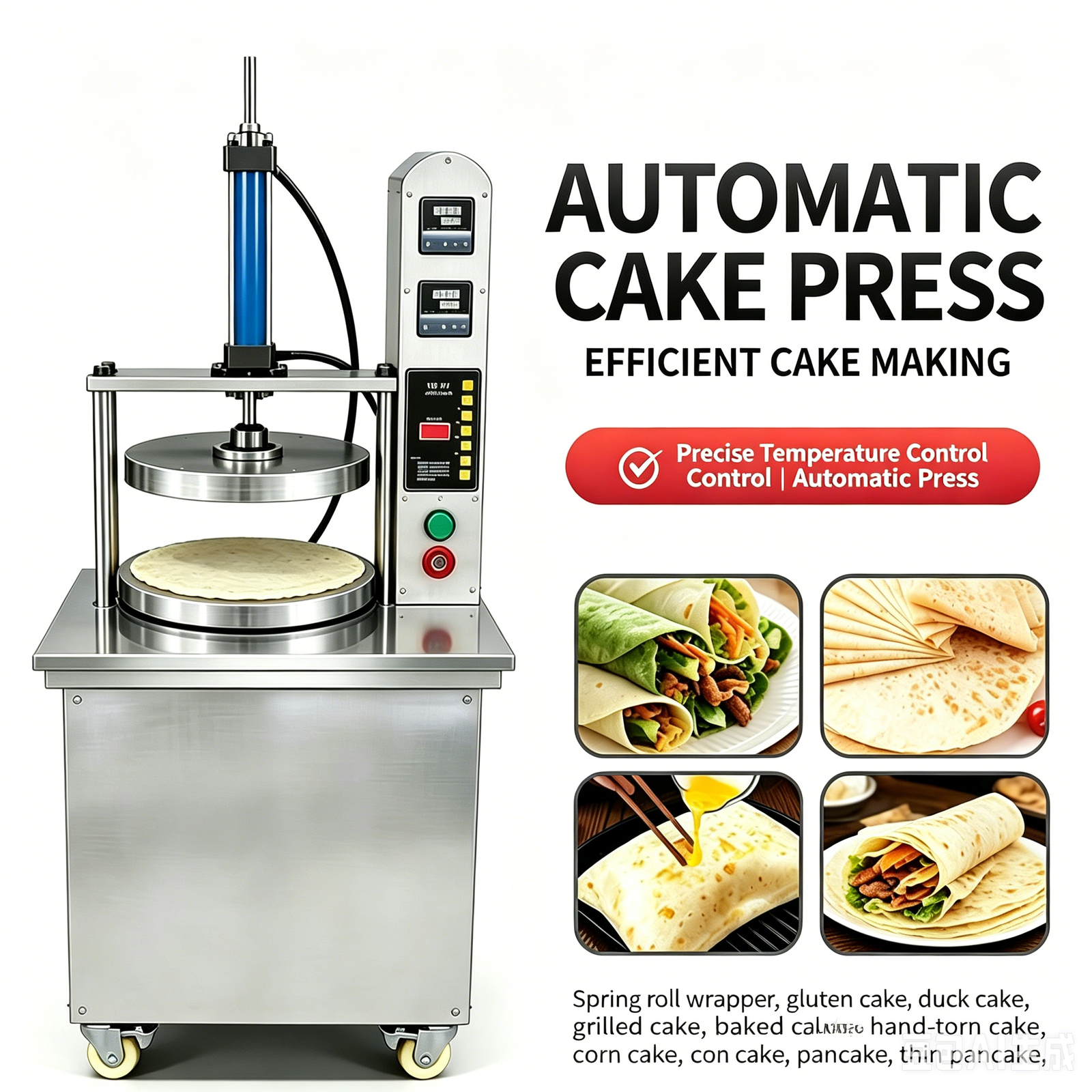
- Prepackaged Sandwich and Burrito Production LineSNAP beneficiaries often buy ready-to-eat refrigerated sandwiches. Such production lines require automatic slicers, continuous sandwich-forming machines, and modified atmosphere packaging machines. It is recommended to choose equipment with a capacity of 3,000-6,000 servings per hour.
- Canned soup and stew production lineLow-cost source of protein and vegetables. Key equipment includes large sandwich pots, automatic filling and sealing machines, and continuous sterilization kettles. Pay attention to the accuracy of the F-value control system of the sterilization kettle when purchasing.
- Cereal breakfast and oatmeal production line: High satiety and affordable. The core equipment is an extrusion puffer, a fluidized bed dryer and a seasoning drum. The screw configuration of the extrusion puffer determines the texture of the product. It is recommended to choose a model that can quickly replace the screw components.
For more information on the selection of these production lines, please visitOur industry newsPage to get the actual project data.
Buyer Selection Recommendations: Balancing capacity, compliance and life cycle costs
Faced with the market opportunity brought by SNAP, buyers should avoid blindly pursuing low-cost equipment. Here are three practical suggestions:
- Priority is given to hygiene levelsThe United States Department of Agriculture (USDA) and the Food and Drug Administration (FDA) have clear requirements for processing equipment. Stainless steel should be 304 or 316L, and the welding should be continuously polished. Equipment that does not meet the hygienic design may lead to frequent downtime for cleaning, which will increase costs.
- Assessing capacity elasticity: SNAP demand has seasonal fluctuations (such as concentrated use of subsidies before and after holidays). Equipment should be able to operate stably within 60% -110% of rated capacity to avoid "big horse-drawn trolley" or overload operation.
- Focus on spare parts and after-sales services: Imported equipment needs to confirm whether there is a spare parts warehouse in China. It is recommended to choose to provideResponse within 48 hoursSupplier, and write the replacement cycle of key wearing parts (such as seals, cutters, bearings) into the contract.
In addition, the purchaser may require the supplier to provideTotal Cost of Ownership (TCO) Analysis, covering energy consumption, water consumption, labor, maintenance and depreciation. Take a frozen French fries production line of 2 tons per hour as an example, energy consumption can account for up to 35% of the five-year TCO, far exceeding 20% of the procurement cost. Therefore, choosing a high-efficiency motor and heat recovery system can usually recover incremental costs within 18-24 months, although the initial investment is 10% -15% higher.
summary
The SNAP monthly subsidy of $187.94 per capita is not only a social welfare data, but also a barometer of the demand in the food processing market. It points to the direction of cost-effective, large-scale, hygienic and safe processing. For food machinery buyers, this means that priority should be given to investing in modular, energy-efficient, and easy-to-clean equipment. by paying attention toPre-packaged staples, canned soups, and breakfast cerealsThree production lines, combined with a comprehensive assessment of hygiene compliance, capacity elasticity and full life cycle costs, allow purchasers to build a lasting competitive advantage in a policy-driven marketplaceProduct CenterandIndustry informationGet the latest equipment technology updates.