Best CNC Hydraulic Fully Automatic Commercial Pancake Pressure Washer: 5 Key Parameters for B2B Buyers
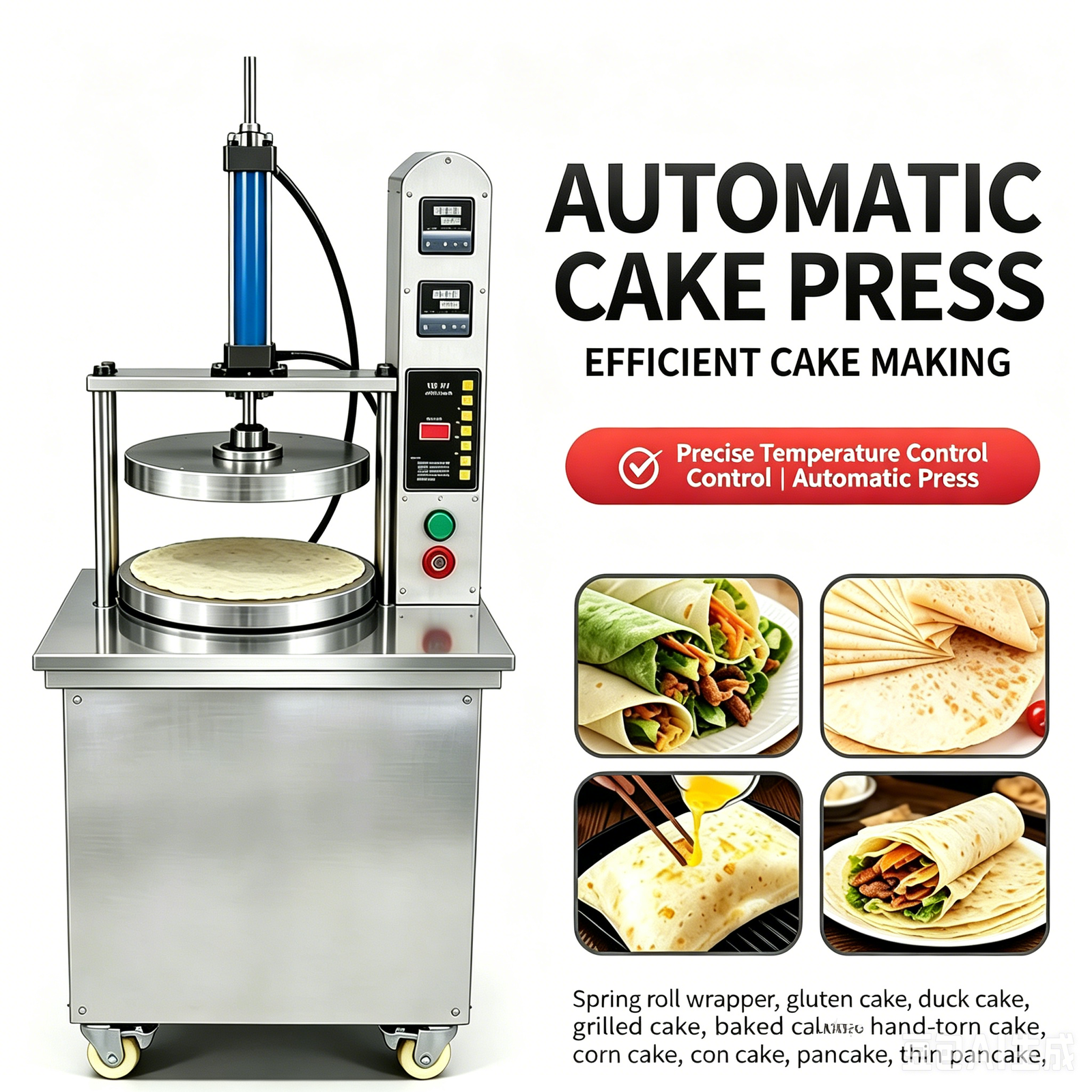
When searching for thebest CNC hydraulic fully automatic commercial pancake pressure washer, B2B buyers often face a confusing market. Despite the name, this equipment is not a cleaning device but a high-precision hydraulic press for forming uniform pancake discs—often called a pancake press. In this guide, we break down the five critical parameters that separate a reliable industrial machine from a costly mistake, helping you make an informed purchase decision.
1. Hydraulic System Pressure and Control Accuracy
The core of any CNC hydraulic pancake press is its hydraulic system. Look for a machine with a rated pressure of at least 20 tons to handle dense dough without deformation. More importantly, CNC control should offer pressure regulation in increments of 0.1 MPa, ensuring consistent thickness across every pancake. Without this precision, you'll see variations that affect cooking time and product appearance. OurCNC Hydraulic Fully Automatic Commercial Pancake Pressachieves ±0.05 MPa accuracy, ideal for high-volume production.
2. Production Capacity and Cycle Time
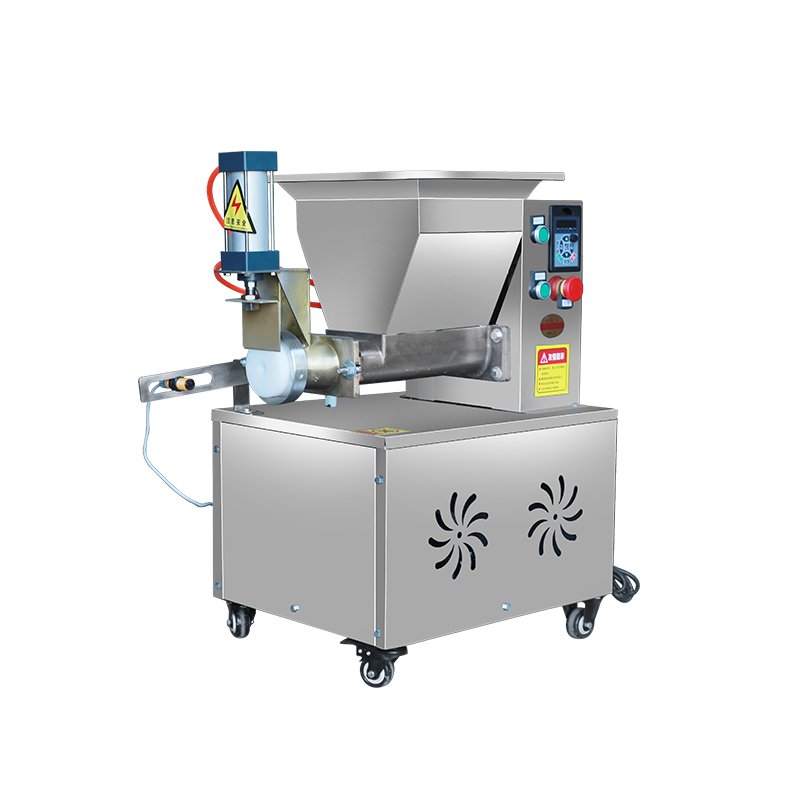
Commercial pancake presses are rated by pancakes per hour (PPH). Entry-level models produce 300–500 PPH, while high-end CNC units can exceed 1,200 PPH. Cycle time—from dough loading to ejection—should be under 3 seconds for maximum efficiency. Consider your peak demand: if you supply supermarkets or chain restaurants, a machine with at least 800 PPH and a 2.5-second cycle time is recommended. Pair it with aCommercial Automatic Dough Divider & Portioning Machineto further streamline your line.
3. Dough Compatibility and Product Consistency
Not all dough is created equal. The best CNC hydraulic pancake pressure washers handle a wide range of moisture content (40–60%) and flour types. Check for adjustable pressing profiles that can be programmed for different recipes—this is where CNC shines. Consistency in diameter (within ±1 mm) and thickness (within ±0.2 mm) is crucial for even cooking and customer satisfaction. For optimal dough preparation, use aCommercial Stainless Steel Dough Kneading Mixer 5kg-50kgto achieve uniform hydration before pressing.
4. Construction Materials and Hygiene Standards
Since pancake presses operate in food production environments, all contact parts must be food-grade stainless steel (304 or 316). The hydraulic system should be enclosed to prevent oil contamination. Look for IP65-rated electrical components and easy-to-clean surfaces. A machine that meets CE or NSF standards reduces audit risks and extends service life. Avoid painted surfaces that can chip; full stainless steel construction is your best bet.
5. Cost of Ownership and After-Sales Support
Prices for CNC hydraulic pancake presses range from $8,000 for basic models to $25,000 for fully automated systems with robotic loading. However, consider total cost of ownership: energy consumption (kW per 1,000 pancakes), maintenance intervals, and spare parts availability. A machine with a 5-year warranty and local technical support may cost 15% more upfront but save 30% in downtime over its lifespan. Request a detailed quotation including installation and training.
Conclusion
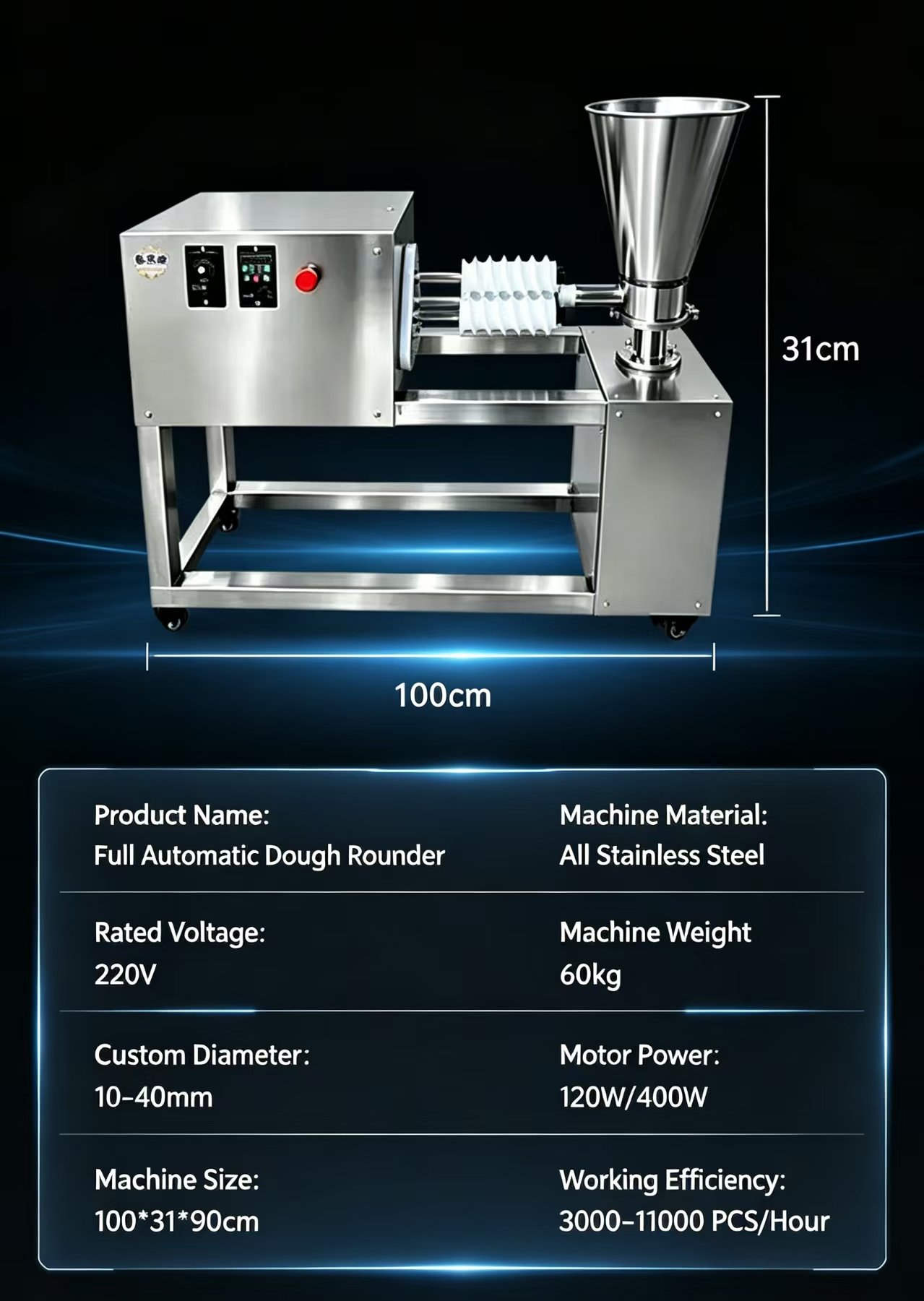
Selecting the best CNC hydraulic fully automatic commercial pancake pressure washer requires balancing pressure accuracy, throughput, dough versatility, hygiene, and long-term support. By focusing on these five parameters, B2B buyers can avoid overpaying for unnecessary features or underestimating production needs. For a complete production line, consider integrating aAutomatic Ball Shaping Machineto automate dough rounding before pressing. Always request a sample test with your own dough formula before committing.