CNC Hydraulic Fully Automatic Commercial Pancake Press: How to Use, Key Parameters & Buying Guide
If you are looking for how to use a CNC hydraulic fully automatic commercial pancake press , you are likely a food manufacturer, central kitchen operator, or bakery owner looking to scale up flatbread, tortilla, or pancake production. This guide answers the core question: the machine is operated via a CNC touchscreen interface that controls hydraulic pressure, pressing time, and temperature — but correct installation, parameter setting, and daily maintenance determine your output quality and machine lifespan. Below we break down the step-by-step operation, critical specifications, cost factors, and common pitfalls so you can buy and run the right equipment with confidence.
What Is a CNC Hydraulic Fully Automatic Commercial Pancake Press?
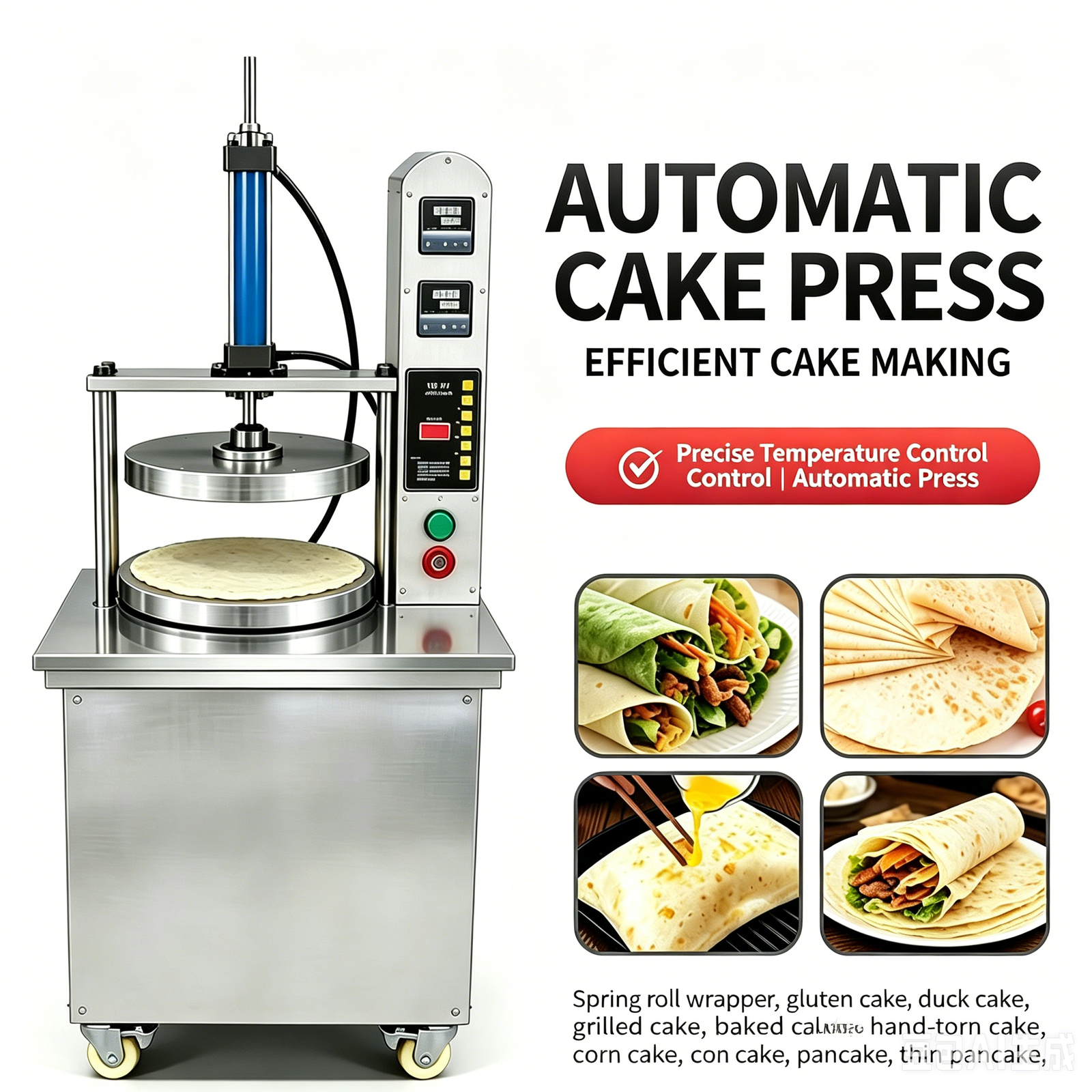
Unlike manual or semi-automatic presses, a CNC hydraulic fully automatic pancake press uses a computer numerical control (CNC) system to precisely manage the hydraulic cylinder that presses dough balls into uniform flat discs. The "fully automatic" aspect means the machine can handle feeding, pressing, and discharging with minimal operator intervention. Typical commercial units can produce 1,000–3,000 pieces per hour, depending on pancake diameter and thickness.
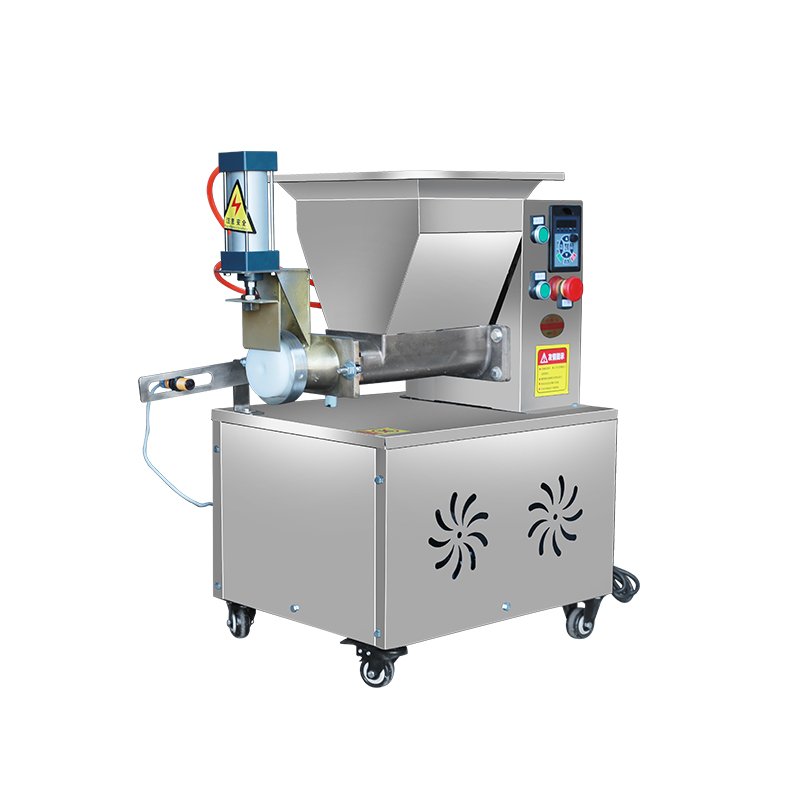
These machines are widely used for tortillas, bread, pita, scallion pancakes, and various flatbreads. If your production line also includes mixing and dividing, you may pair this press with a commercial stainless steel dough kneading mixer and an automatic dough divider & portioning machine to create a continuous workflow.
How to Use a CNC Hydraulic Pancake Press: Step-by-Step
Proper operation ensures consistent product and safe use. Follow these steps:
- Installation & power-up: Place the machine on a level floor, connect to the required power supply (usually 380V/50Hz three-phase), and ensure the hydraulic oil level is between the min and max marks. Turn on the main switch and wait for the CNC system to boot.
- Set parameters on the CNC panel: Input the desired pressing thickness (e.g., 2–10 mm), pressing time (0.5–3 seconds), and temperature if the press has heated platens (up to 250°C). Most systems allow you to save recipes for different products.
- Load dough balls: Place pre-divided dough balls (typically 30–150 g each) onto the feeding conveyor or into the hopper. The automatic feeding mechanism will index them into the pressing zone.
- Start the pressing cycle: Press the start button. The hydraulic system will lower the upper plate, press the dough, and retract automatically. The pressed pancake is then discharged onto an output conveyor.
- Monitor & adjust: Check the first few pieces for diameter, thickness, and uniformity. Fine-tune pressure or time as needed. Always keep your hands clear of the pressing area during operation.
- Daily cleaning & shutdown: After production, turn off the power, release hydraulic pressure, and clean the platens and conveyor with a food-safe degreaser. Do not use water jets directly on electrical components.
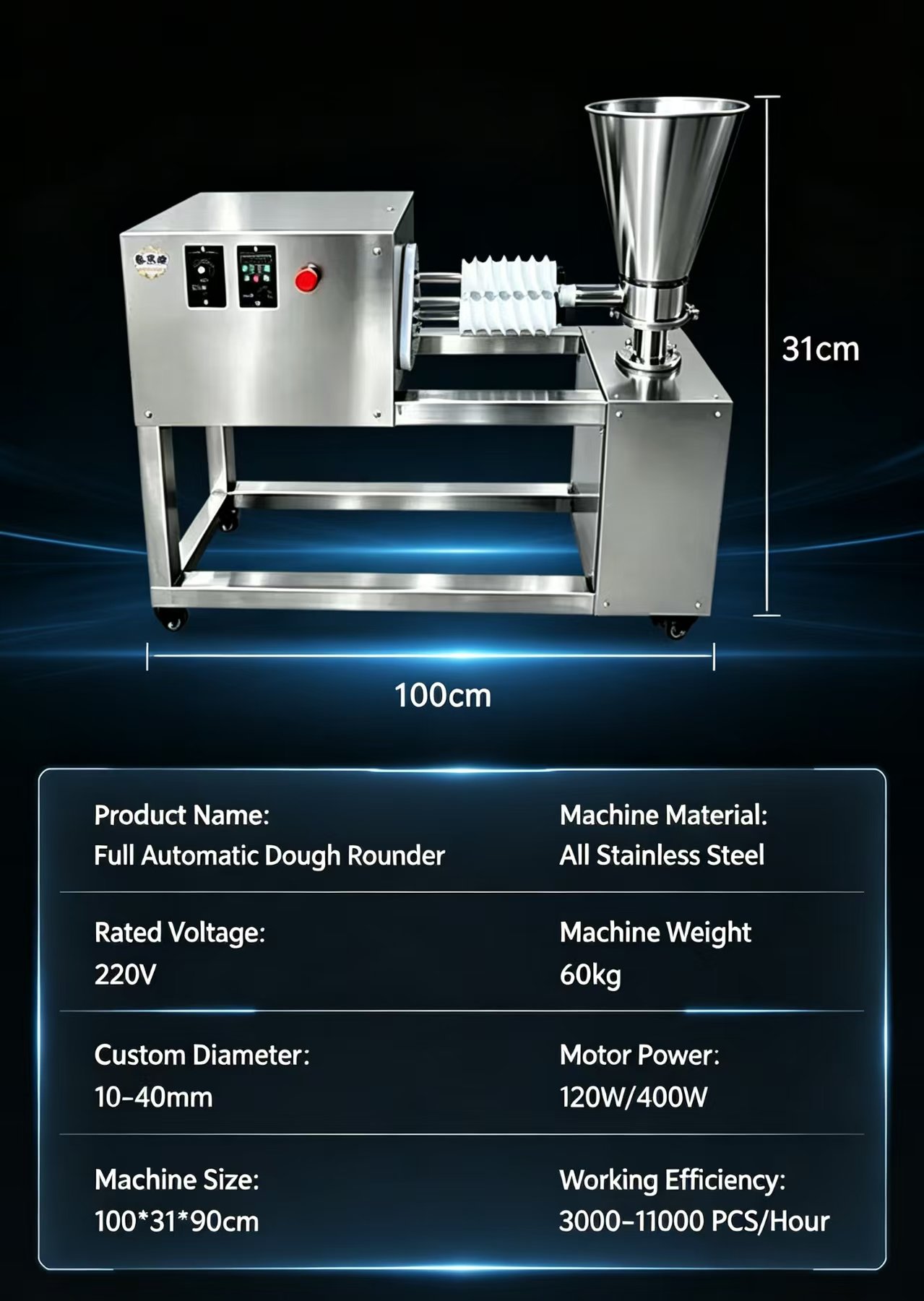
For a complete line setup, consider integrating an automatic ball shaping machine before the press to ensure dough balls are perfectly round, which improves pressing uniformity.
Key Technical Parameters to Evaluate Before Buying
When comparing models, focus on these specifications:
- Pressing force: Typically 3–15 tons. Higher force suits thicker or denser dough; lower force is fine for thin tortillas.
- Pancake diameter range: Common ranges are 10–30 cm. Ensure the machine can handle your largest and smallest products.
- Output capacity: 1,000-3,000 pcs/h. Match this to your downstream packaging or cooking speed.
- Hydraulic system: Look for brands like Yuken or Bosch for reliability. Oil cooling is essential for continuous operation.
- CNC controller: A user-friendly touchscreen with recipe storage and fault diagnostics reduces training time.
- Material & hygiene: All food-contact parts must be 304 stainless steel. The machine should be easy to disassemble for cleaning.
Cost, Budget, and ROI Considerations
A CNC hydraulic fully automatic commercial pancake press typically ranges from $8,000 to $25,000 USD, depending on capacity, automation level, and brand. Additional costs include hydraulic oil, spare plates, and installation. When calculating ROI, consider labor savings: one machine can replace 3–5 manual workers, and consistent thickness reduces dough waste by 5–10%. For a complete turnkey line (mixer, divider, ball shaper, press), budget $30,000–$70,000. Always request a video demonstration and a list of local references before purchase.
Common Mistakes and Maintenance Tips
Buyers often overlook hydraulic oil maintenance. Change the oil every 2,000 hours or every 6 months, and replace filters regularly. Never operate the press without dough - dry pressing can damage the plates. Train operators to never bypass safety guards. Finally, keep a spare set of seals and a heating element on hand to minimize downtime.
In summary, using a CNC hydraulic fully automatic commercial pancake press is straightforward once you master the CNC interface and follow a consistent procedure. Focus on the key parameters above, integrate with other dough processing equipment, and maintain the hydraulic system diligently to achieve high-quality, high-volume production.