CNC Hydraulic Fully Automatic Commercial Pancake Press Reviews: 5 Key Parameters for B2B Buyers
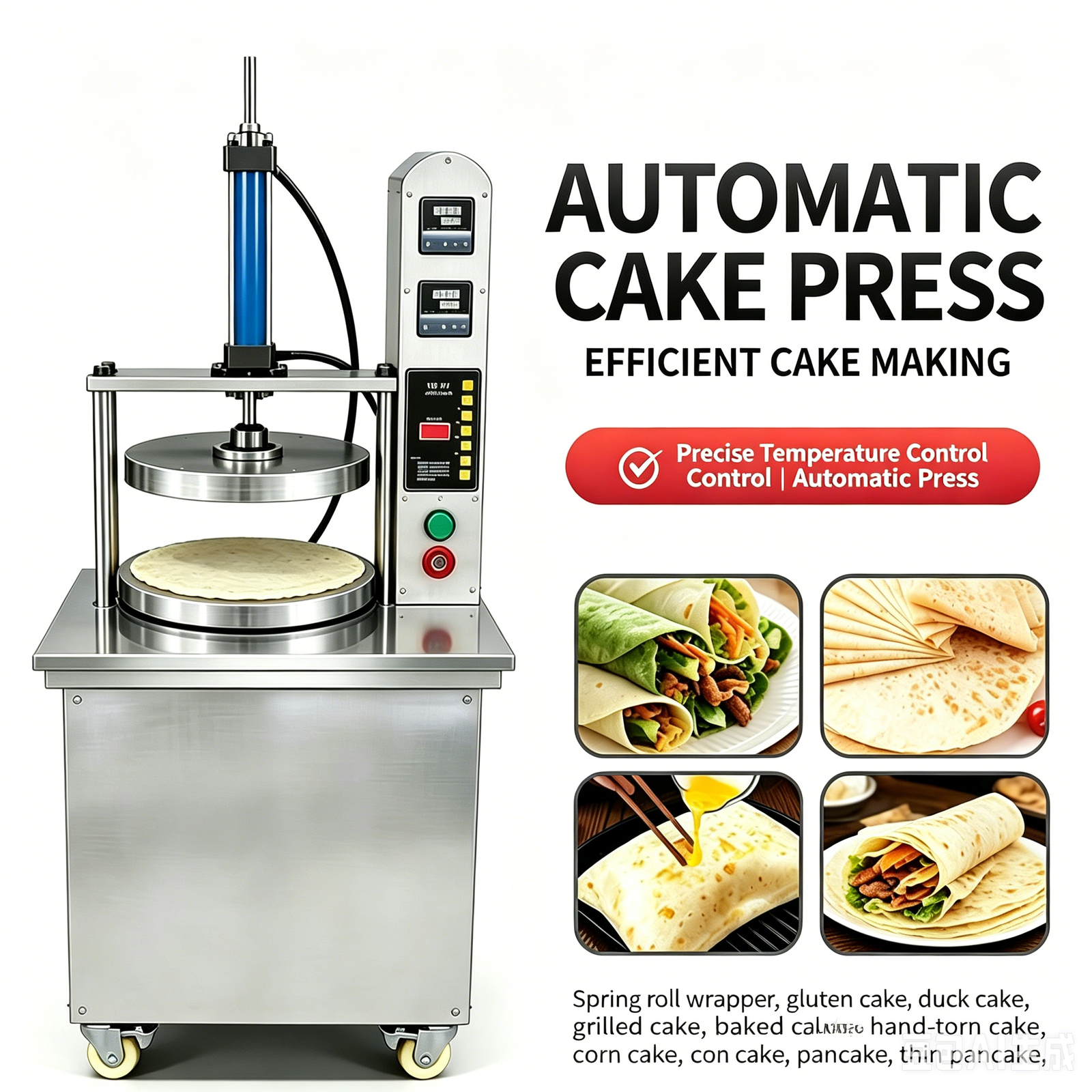
If you are looking for honest, data-backed CNC hydraulic fully automatic commercial pancake press reviews , you have likely found that most online feedback is either too vague or written for home cooks. For B2B buyers—food factories, central kitchens, and large-scale bakeries—the real questions are about throughput, hydraulic pressure stability, dough compatibility, and total cost of ownership. This article cuts through the noise and provides a practical evaluation framework based on five critical parameters, helping you decide whether a CNC hydraulic pancake press is the right investment for your production line.
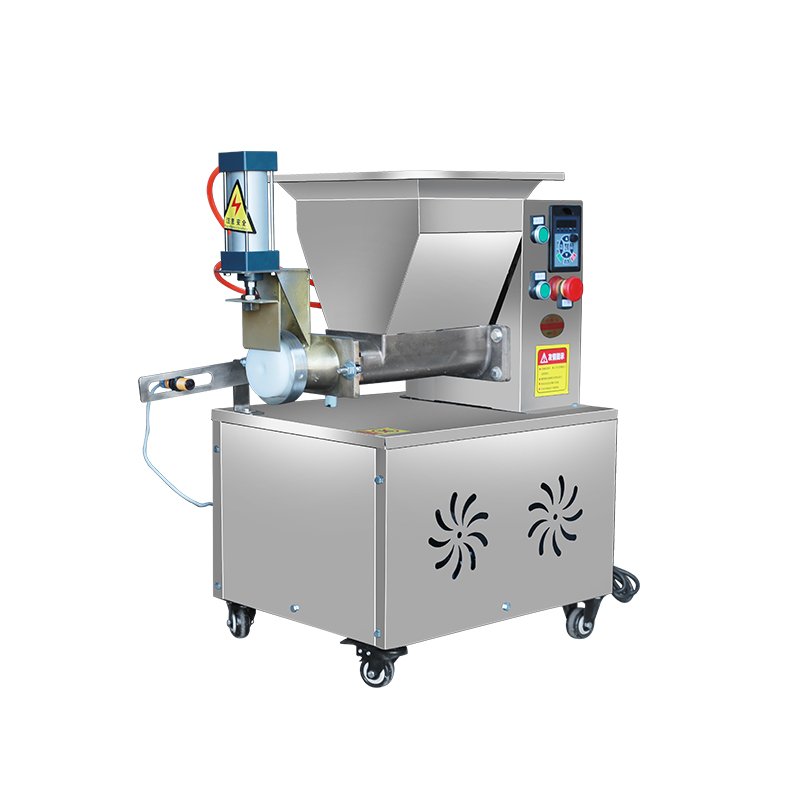
Before diving into the parameters, it is important to understand the broader equipment ecosystem. A pancake press rarely works alone; it is often paired with a commercial stainless steel dough kneading mixer and a commercial automatic dough divider & portioning machine to form a completely automated line. Keeping this in mind will help you evaluate the press not as an isolated machine, but as a component of your production workflow.
1. Hydraulic Pressure and Pressing Consistency: The Core of CNC Control
The term "CNC hydraulic" refers to computer numerical control over the hydraulic system. Unlike manual or pneumatic presses, a CNC hydraulic press allows you to program exact pressure curves, dwell times, and pressing speeds. In reviews from industrial users, the most praised feature is consistency : every pancake receives the same force, resulting in uniform thickness and texture.
When evaluating a machine, ask for the pressure range (typically 5–20 tons for commercial pancake presses) and the pressure repeatability tolerance. A good CNC system should maintain ±1% of the set pressure. If a review mentions "uneven edges" or "sticking," it often indicates poor pressure control or inadequate non-stick coating. For high-volume production, look for a press with a programmable logic controller (PLC) that stores at least 20 recipes—this lets you switch between different pancake types (eg, thin crepes vs. thick fluffy pancakes) without manual adjustment.
2. Throughput and Cycle Time: Matching Your Production Capacity
B2B buyers care about pieces per hour (PPH). A typical CNC hydraulic fully automatic commercial pancake press can produce between 600 and 1,800 pancakes per hour, depending on size and thickness. The cycle time includes loading, pressing, and ejection. In reviews, users frequently highlight the "automatic ejection" feature as a key labor-saver—it eliminates manual removal and reduces breakage.
To choose the right model, calculate your required PPH based on your daily output and shift pattern. For example, if you need 10,000 pancakes per day over two shifts, you need a machine that delivers at least 700 PPH. Also consider the maximum pancake diameter (usually 10–30 cm). A press with a larger plate can handle bigger products but may have a longer cycle time. Always request a video demonstration with your specific dough recipe—reviews often note that performance varies with dough hydration and fat content.
3. Dough Compatibility and Material Quality
Not all pancake batters are the same. Some are high-hydration (like crepe batter), while others are stiff (like dough for American pancakes). The CNC hydraulic press must handle your specific formulation without sticking or tearing. Reviews from commercial bakers emphasize the importance of the plate material: food-grade stainless steel 304 or 316 with a non-stick coating (e.g., PTFE) is standard. Cheaper machines may use aluminum plates that warp over time.
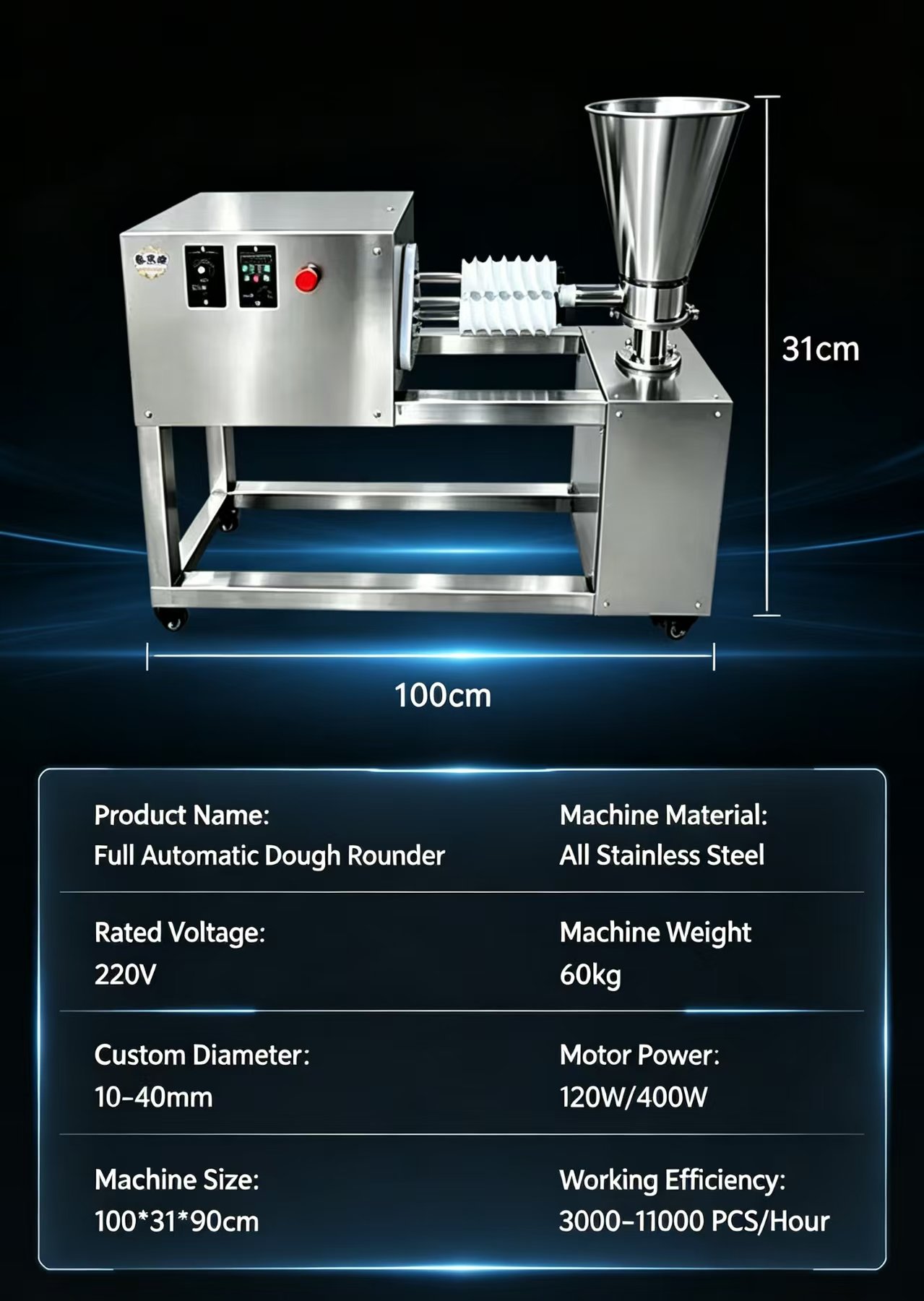
Additionally, check the hopper and feeding system. A fully automatic press should have a dough hopper that can hold at least 10–20 liters and a feeding mechanism that does not compress the dough excessively. Some advanced models integrate a automatic ball shaping machine to pre-portion dough balls before pressing, ensuring consistent weight and shape. This is particularly useful for pancakes that require a round, even shape.
4. Automation Level and Integration with Other Equipment
The term "fully automatic" can be misleading. In practice, it means the machine can perform pressing, ejection, and sometimes cleaning cycles without manual intervention. However, for a truly hands-free line, you need to integrate the press with upstream and downstream equipment. Upstream, a commercial stainless steel dough kneading mixer 5kg-50kg ensures uniform dough consistency. Downstream, a conveyor or packaging system may be required.
When reading reviews, look for mentions of "PLC touchscreen," "recipe storage," and "self-diagnosis." These features reduce downtime and training costs. Also, consider the machine's footprint and power requirements: most commercial pancake presses need 380V/50Hz three-phase power and a compressed air supply if they use pneumatic components. Ensure your facility can accommodate these utilities.
5. Cost, Maintenance, and After-Sales Support
Pricing for a CNC hydraulic fully automatic commercial pancake press ranges from $8,000 to $35,000, depending on capacity, automation level, and brand. In reviews, buyers often mention that the initial price is only part of the story—maintenance and spare parts availability are equally important. Hydraulic seals, hoses, and non-stick coatings wear out and need replacement. A good supplier provides a 1–2 year warranty and has local service partners or remote support.
For a realistic budget, factor in installation, training, and potential import duties. Some manufacturers offer leasing or financing options. To reduce total cost of ownership, consider a machine that is compatible with a commercial automatic dough divider & portioning machine 1g-500g —this allows you to portion dough precisely and reduce waste, which can save up to 15% in raw materials over a year.
Conclusion: Making an Informed Decision
Reading CNC hydraulic fully automatic commercial pancake press reviews is a good starting point, but the best decision comes from matching the machine's specifications to your production needs. Focus on pressure consistency, throughput, dough compatibility, automation integration, and long-term support. Request samples and trial runs with your own recipe before committing. With the right equipment, you can achieve consistent quality and scale your pancake production efficiently.