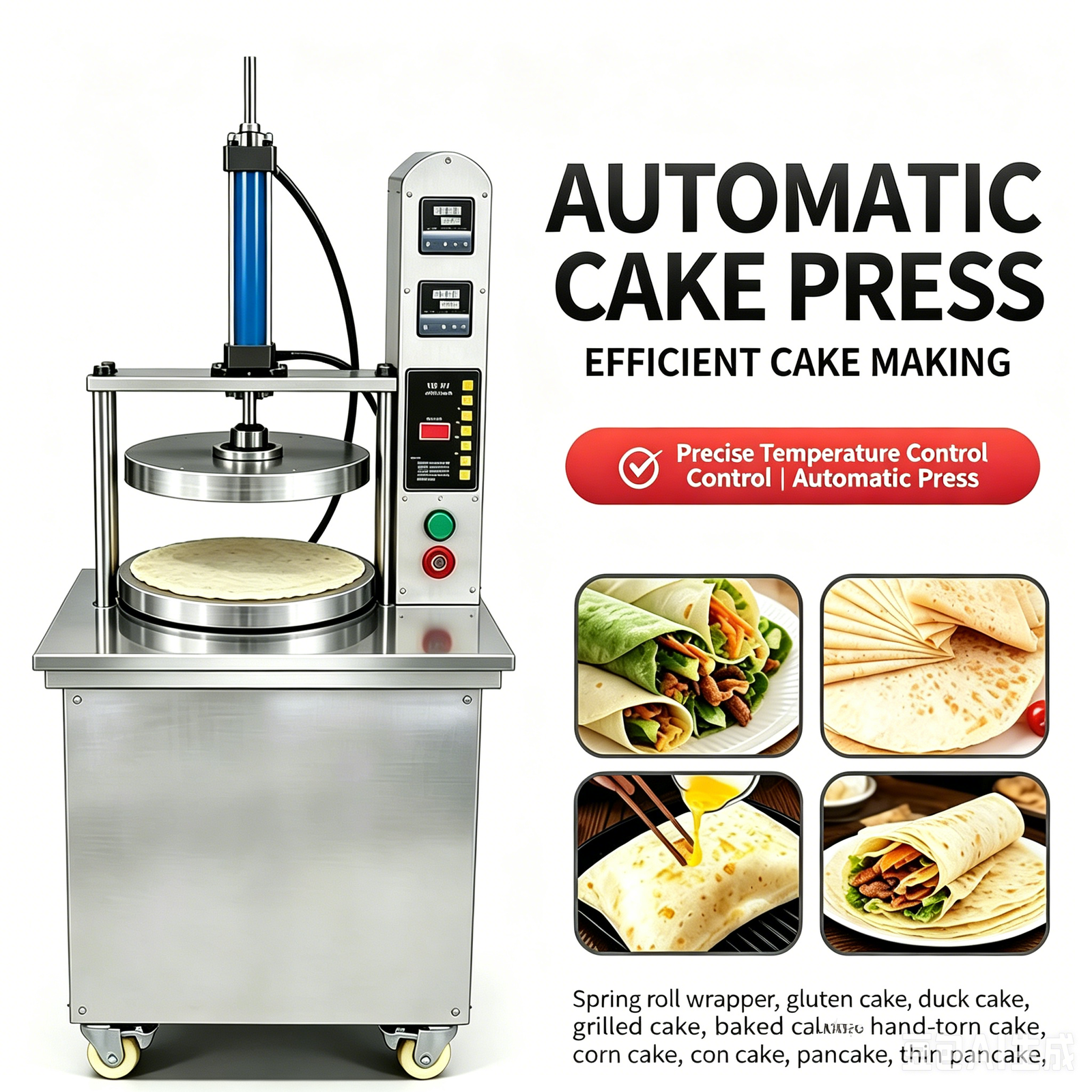
CNC Hydraulic Fully Automatic Commercial Pancake Press Reviews and Complaints: What Buyers Need to Know Before Purchasing
When searching for a CNC hydraulic fully automatic commercial pancake press, you've likely encountered mixed reviews and complaints online. As a B2B buyer, separating genuine issues from user error or unrealistic expectations is critical. This guide analyzes common feedback themes, technical parameters, and selection criteria to help you make an informed purchase decision.
Common Complaints and What They Really Mean
Online reviews for CNC hydraulic pancake presses often highlight a few recurring complaints. Understanding the root causes can help you avoid similar issues:
- Inconsistent pancake thickness: Usually stems from improper hydraulic pressure calibration or worn molds. High-quality machines with precise CNC control and durable molds (eg, food-grade stainless steel) minimize this.
- Hydraulic oil leakage: Often a sign of low-quality seals or lack of maintenance. Reputable manufacturers use imported seals and provide clear maintenance schedules.
- Slow cycle times: Some users expect higher throughput than the machine's rated capacity. Always match the press's rated cycles per minute to your production targets.
- cleaning Difficulty: Machines with poor design (eg, exposed hydraulic components) are harder to clean. Look for IP65-rated electricals and quick-release molds.
Many complaints arise from purchasing low-cost machines with inadequate specs. Investing in a machine with robust CNC hydraulic systems and verified performance data reduces risks.
Key Technical Parameters to Evaluate
When comparing CNC hydraulic fully automatic commercial pancake presses, focus on these specifications:
- Hydraulic pressure range: Typically 10-30 MPa; higher pressure allows thicker dough but may affect texture. Ensure adjustability for different recipes.
- Production capacity: Ranges from 500 to 2,000 pieces per hour. Calculate your needed output based on peak demand.
- Mold size and shape: Customizable molds (eg, 10-30 cm diameter) are essential for product variety. Check for quick-change mechanisms.
- Control system: PLC with touchscreen interface for precise parameter settings (pressure, time, temperature). CNC control ensures repeatability.
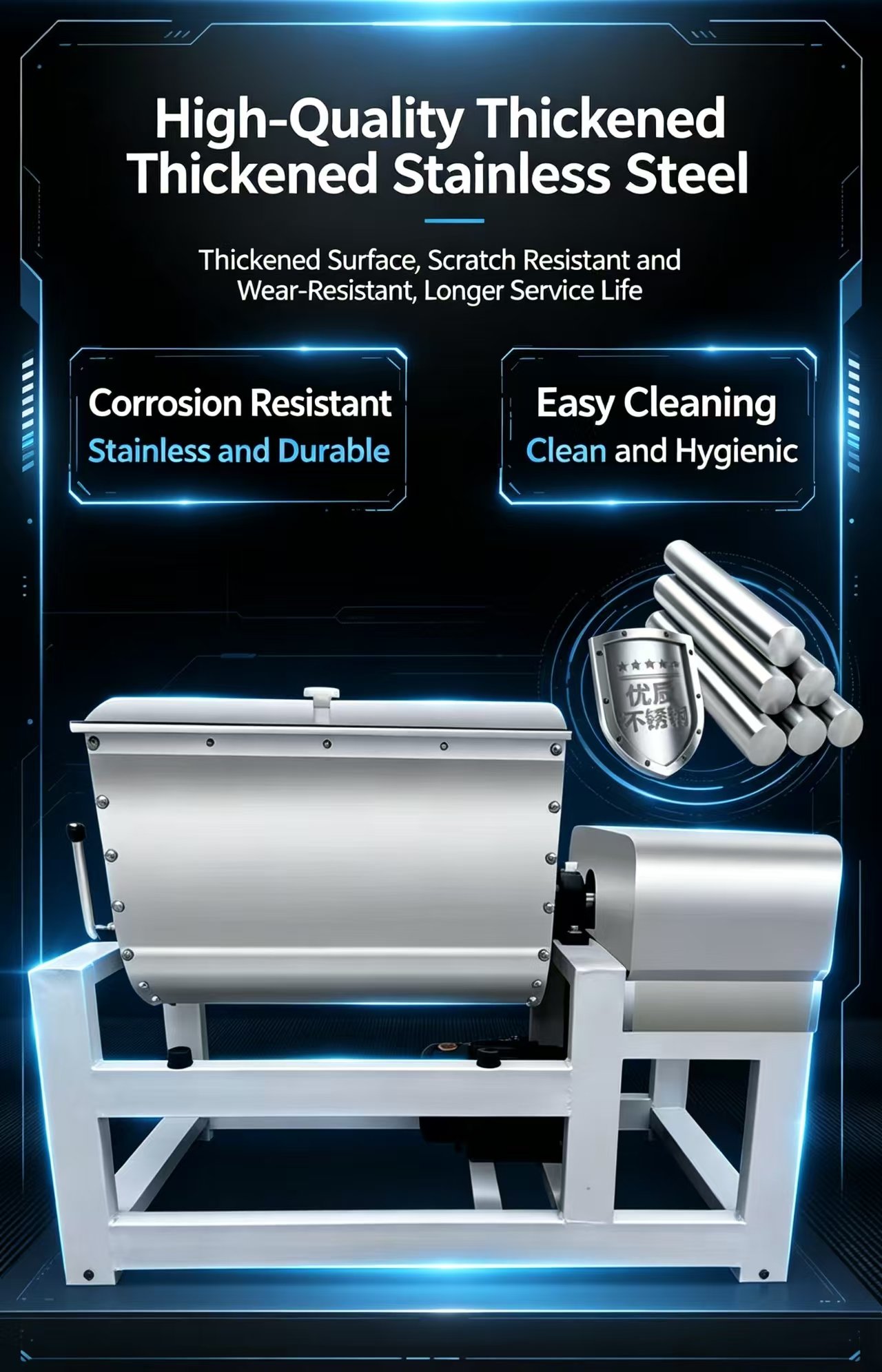
- Material and construction: Food-grade stainless steel (304 or 316) for all contact parts; robust frame to withstand continuous operation.
- Power requirements: Typically 3-7.5 kW; Check compatibility with your facility's electrical supply.
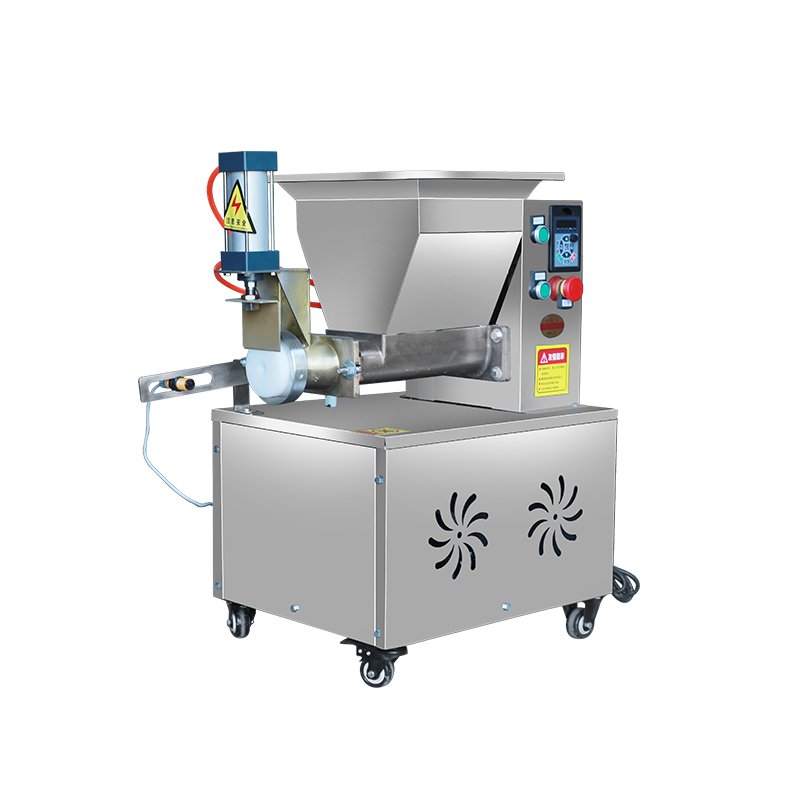
For integrated production lines, consider pairing the press with a commercial automatic dough divider and automatic ball shaping machine It's a streamlined workflow.
Selection Tips: Matching the Machine to Your Production Needs
Before finalizing a purchase, consider these practical tips:
- Assess your menu: If you produce various pancake types (eg, thick, thin, filled), choose a press with adjustable pressure and interchangeable molds.
- Verify certifications: Ensure the machine meets CE or UL standards for safety and hygiene.
- Request a demo: Ask for video demonstrations or sample testing to confirm performance.
- Check after-sales support: Availability of spare parts and technical assistance is crucial for minimizing downtime.
- Read contracts carefully: Clarify warranty terms, installation training, and shipping responsibilities.
For high-volume operations, a commercial stainless steel dough kneading mixer ensures consistent dough quality, which directly affects pancake texture and press performance.
Cost and Budget Reference
Prices for CNC hydraulic fully automatic commercial pancake presses vary widely based on capacity and features:
- Entry-level (500-800 pcs/h): $8,000-$15,000. Suitable for small restaurants or food trucks.
- Mid-range (800-1,200 pcs/h): $15,000-$25,000. Ideal for medium-sized bakeries or central kitchens.
- High-capacity (1,200-2,000 pcs/h): $25,000-$40,000. For industrial-scale production.
Remember to factor in shipping, installation, and training costs. While a lower-priced machine may seem attractive, reliability and after-sales service often justify a higher initial investment.
Conclusion
While online reviews and complaints about CNC hydraulic fully automatic commercial pancake presses can be concerning, many issues are avoidable with careful selection. Prioritise machines with robust hydraulic systems, precise CNC controls, and reputable after-sales support. By focusing on your production requirements and verifying technical specifications, you can choose a press that delivers consistent performance and long-term value. For a complete production line, explore our range of commercial food processing equipment to optimize efficiency.