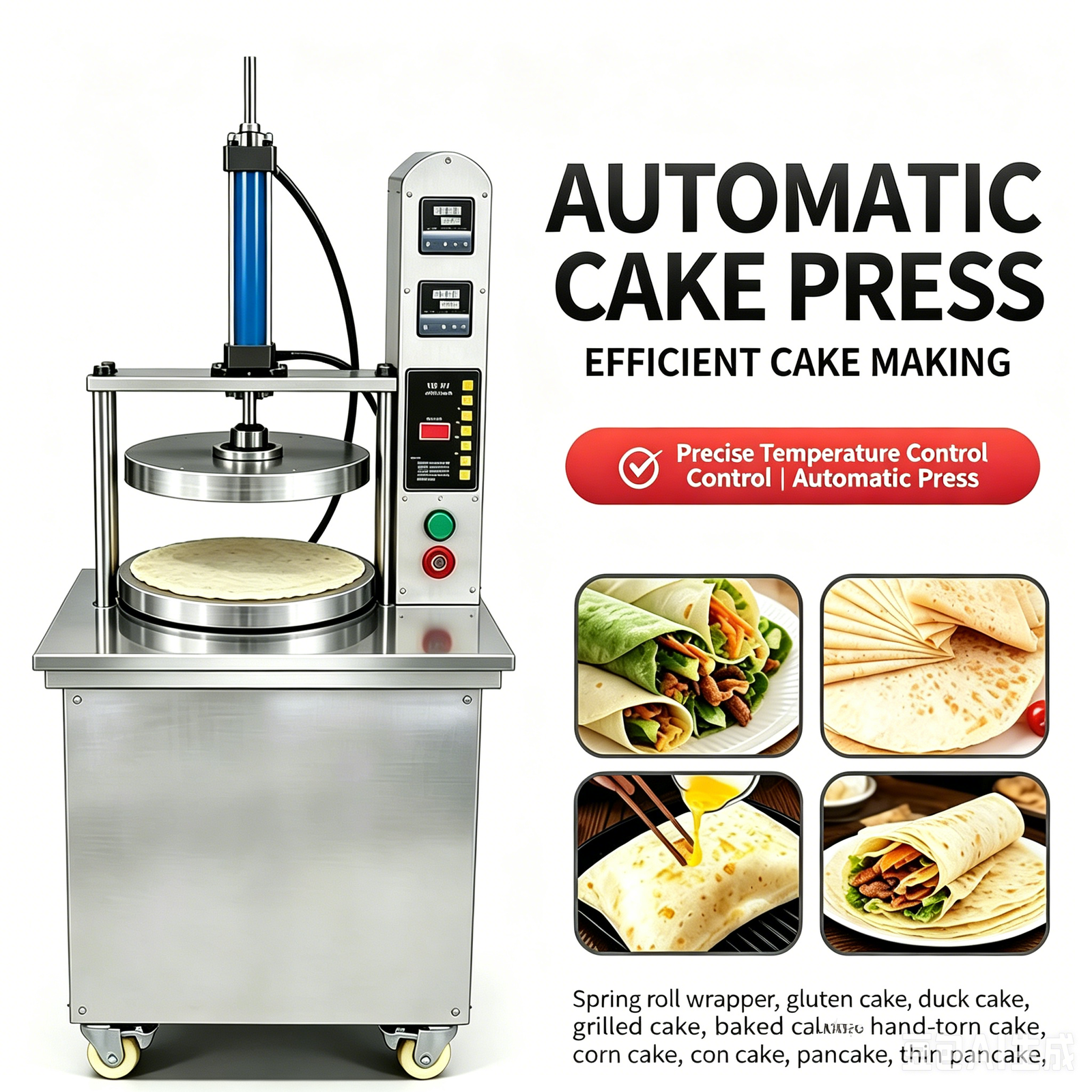
CNC Hydraulic Fully Automatic Commercial Pancake Press vs Bench Press: 5 Key Parameters for Procurement
When evaluating a CNC hydraulic fully automatic commercial pancake press against a traditional bench press, the decision hinges on throughput, consistency, labor cost, and long-term ROI. This guide breaks down the five critical parameters—pressure and control, capacity, automation level, dough handling compatibility, and total cost of ownership—to help you choose the right equipment for your food production line.
1. Pressure and Control: CNC Hydraulic vs Manual Bench Press
A CNC hydraulic fully automatic commercial pancake press uses a servo-controlled hydraulic system to deliver precise, repeatable pressure (typically 5–20 tons) with digital settings for thickness and pressing time. This ensures uniform pancake diameter and texture batch after batch. In contrast, a bench press relies on manual leverage or a simple pneumatic cylinder, leading to inconsistent results and operator fatigue. For high-volume operations, the CNC press reduces waste by up to 15% and eliminates guesswork.
2. Capacity and Throughput: Meeting Production Targets
Bench presses are limited to 100–200 pieces per hour, depending on operator speed. A CNC hydraulic fully automatic model can produce 800–1,200 pieces per hour, with continuous feeding and automated discharge. When selecting capacity, consider peak demand and future growth. Pair the press with a commercial automatic dough divider & portioning machine to ensure consistent dough ball weights (1g–500g) before pressing, maximizing efficiency.
3. Automation Level: Labor Savings and Consistency
Automation is the biggest differentiator. A bench press requires a dedicated operator for each unit, while a CNC hydraulic press integrates with conveyors and can run with minimal supervision. Features like programmable recipes, self-diagnostics, and automatic oil temperature control reduce downtime. For a typical bakery producing 10,000 pancakes per shift, switching to automatic pressing can cut labor costs by 60% and improve product uniformity, which is critical for chain restaurants and central kitchens.
4. Dough Handling Compatibility: From Mixing to Shaping
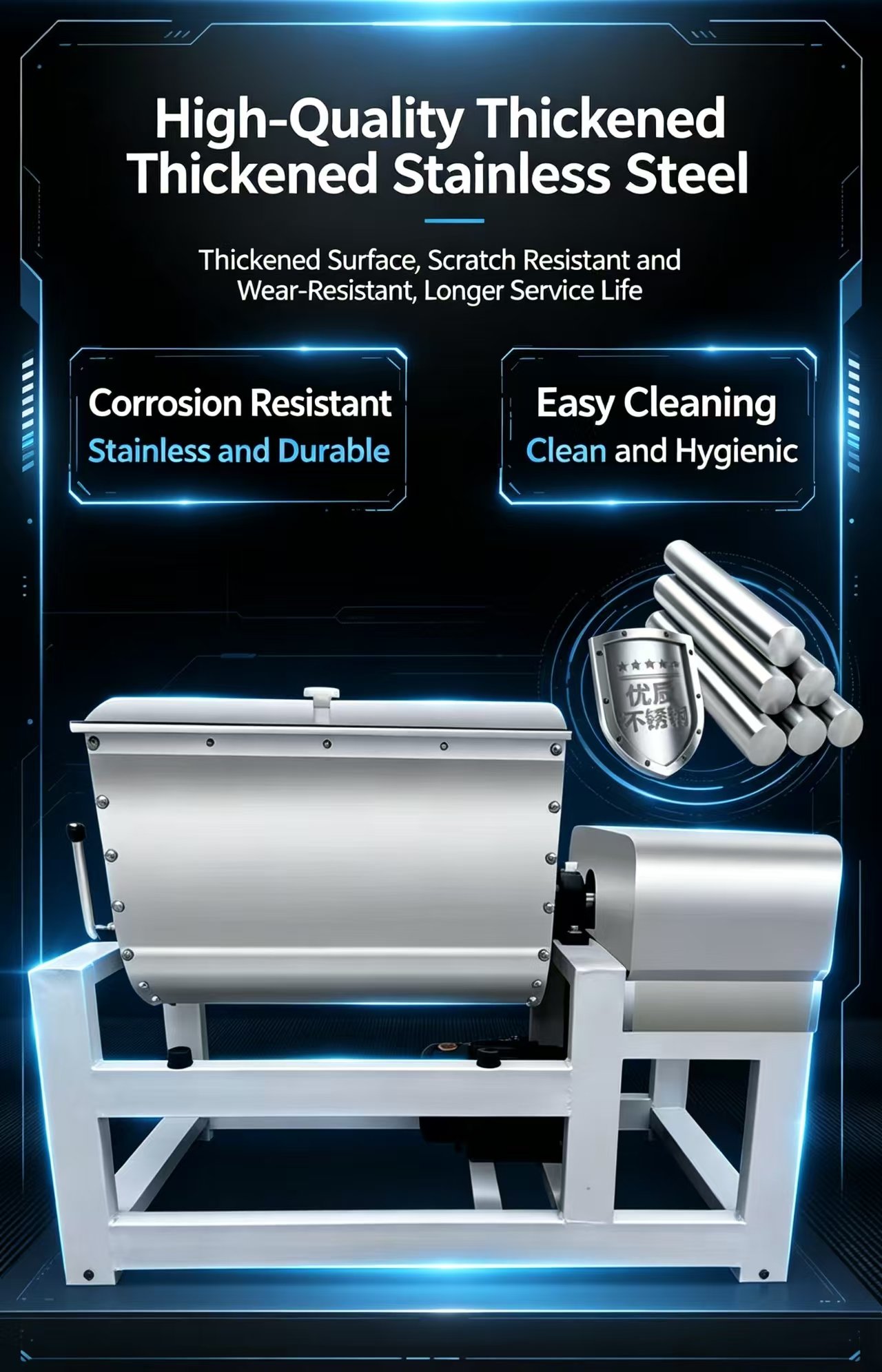
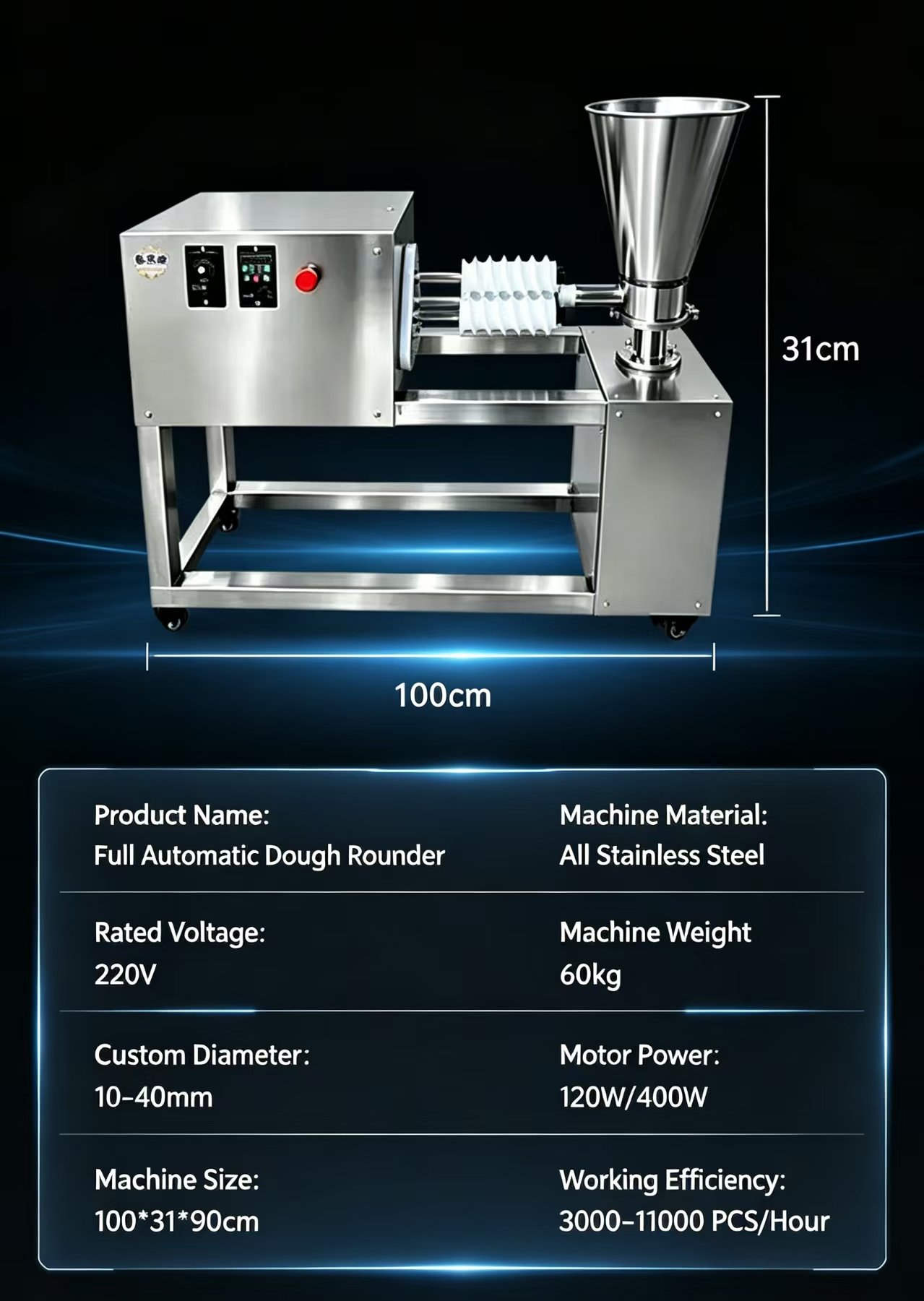
To achieve optimal results, the press must work seamlessly with your dough preparation equipment. A commercial stainless steel dough kneading mixer (5kg–50kg) ensures proper gluten development, while an automatic ball shaping machine pre-forms dough balls for uniform pressing. The CNC press's adjustable pressure and non-stick platens accommodate various dough types—from tortillas to scallion pancakes—without sticking or tearing.
5. Total Cost of Ownership: Bench Press vs CNC Hydraulic Press
While a bench press has a lower upfront cost ($500–$2,000), it incurs higher labor and waste expenses. A CNC hydraulic fully automatic commercial pancake press typically ranges from $15,000 to $40,000, but pays for itself within 12–18 months in a high-volume setting through reduced labor (one operator can manage multiple machines) and minimized product giveaway. Additionally, the robust hydraulic components and stainless steel construction ensure a lifespan of 10+ years with proper maintenance.
In summary, for commercial operations prioritizing throughput, consistency, and long-term savings, the CNC hydraulic fully automatic pancake press is the superior choice. Bench presses remain suitable only for low-volume or specialty applications. Evaluate your production goals and pair the press with complementary equipment from our commercial food machinery range to build a complete line.