CNC Hydraulic Fully Automatic Commercial Pancake Press Workout: 5 Key Parameters for B2B Buyers
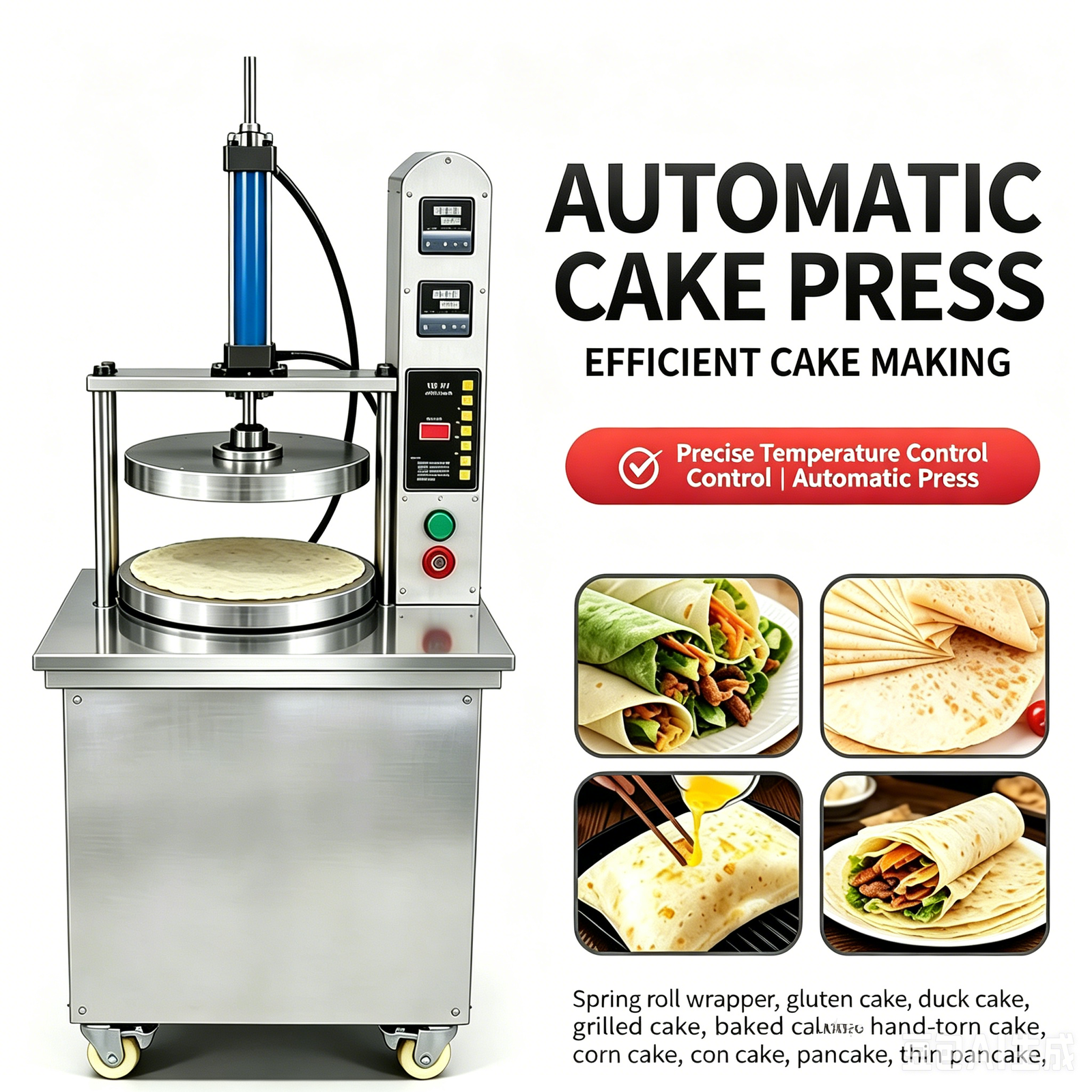
When evaluating a CNC hydraulic fully automatic commercial pancake press for your food production line, the 'workout' refers to the machine's performance under continuous, high-volume operation. This guide breaks down the five critical parameters that determine throughput, consistency, and long-term reliability, helping you make an informed procurement decision. Whether you run a central kitchen, a chain of bakeries, or a frozen food plant, understanding these specifications ensures you invest in equipment that matches your production goals and budget.
1. Hydraulic System Pressure and Cycle Time
The heart of any CNC hydraulic pancake press is its hydraulic system. Die Pressure (measured in tons) directly affects the texture and thickness of the final product. For commercial pancake production, a pressure range of 5–15 tons is typical, with higher pressures suitable for denser flatbreads. Cycle time—the time from loading to ejection—determines throughput. Look for machines with cycle times under 10 seconds for high-speed lines; some advanced models achieve 6–8 seconds. Ensure the hydraulic unit includes overload protection and a cooling system to maintain consistent performance during extended shifts.
2. CNC Control and Programmability
CNC (Computer Numerical Control) allows precise adjustment of pressing force, dwell time, and plate gap. A user-friendly interface with recipe storage is essential for rapid changeovers between product types. Check for at least 20 programmable presets and the ability to fine-tune parameters in 0.1-second increments. This flexibility is crucial for producing consistent pancakes across different batch sizes, from thin crepes to thick fluffy pancakes. Additionally, remote diagnostics and USB connectivity for recipe backup are valuable features for modern production facilities.
3. Construction Materials and Hygiene Design
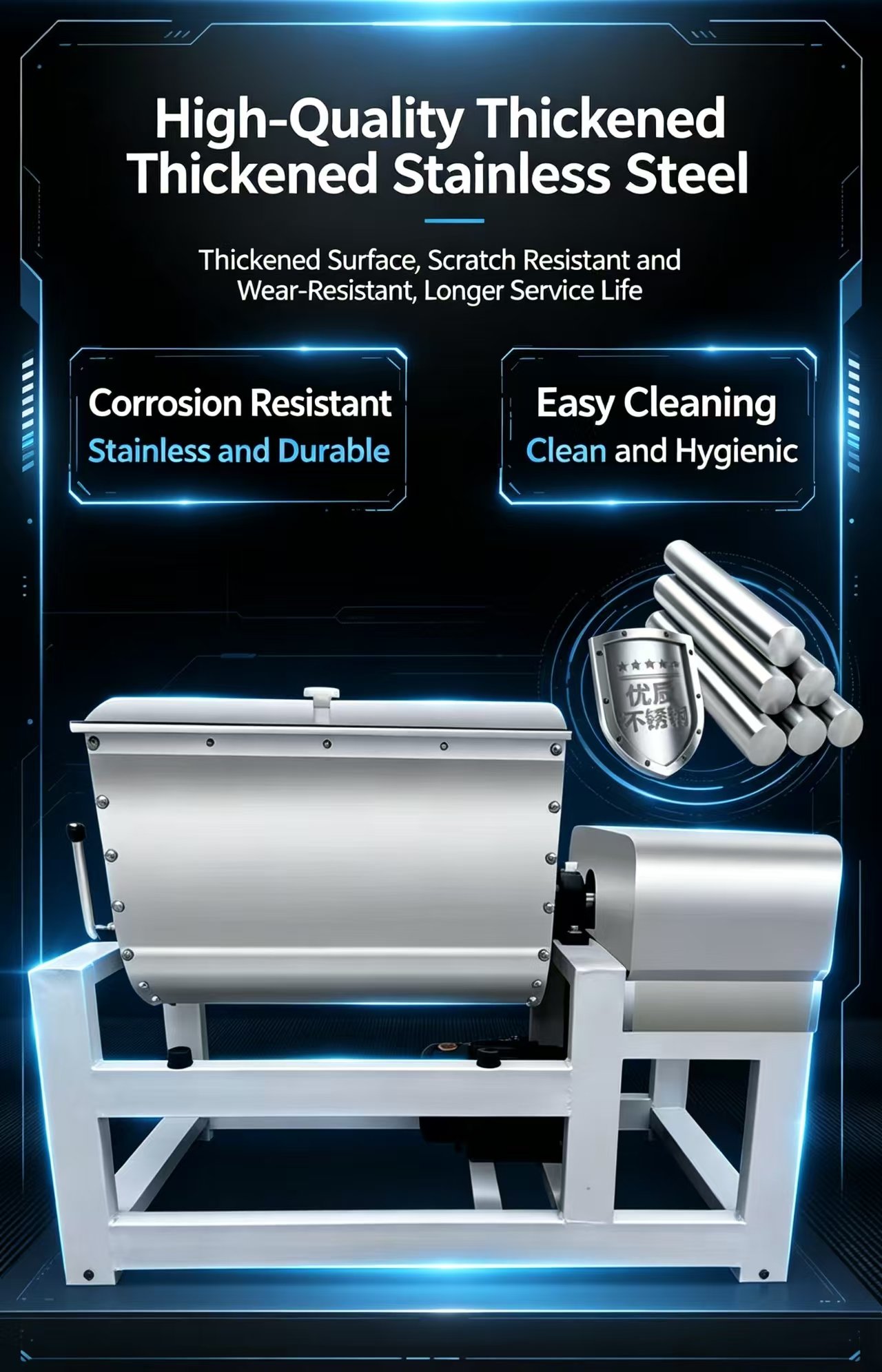
Given the sharp increase in food safety incidents reported to global networks like INFOSAN, hygiene is non-negotiable. The press should be built with food-grade stainless steel (AISI 304 or 316) on all contact surfaces. Look for smooth welds, no crevices, and quick-release plates for easy cleaning. IP65-rated electrical components protect against water ingress during washdown. A hygienic design not only reduces contamination risks but also extends equipment lifespan and simplifies compliance with HACCP and other food safety standards.
4. Integration with Dough Preparation Equipment
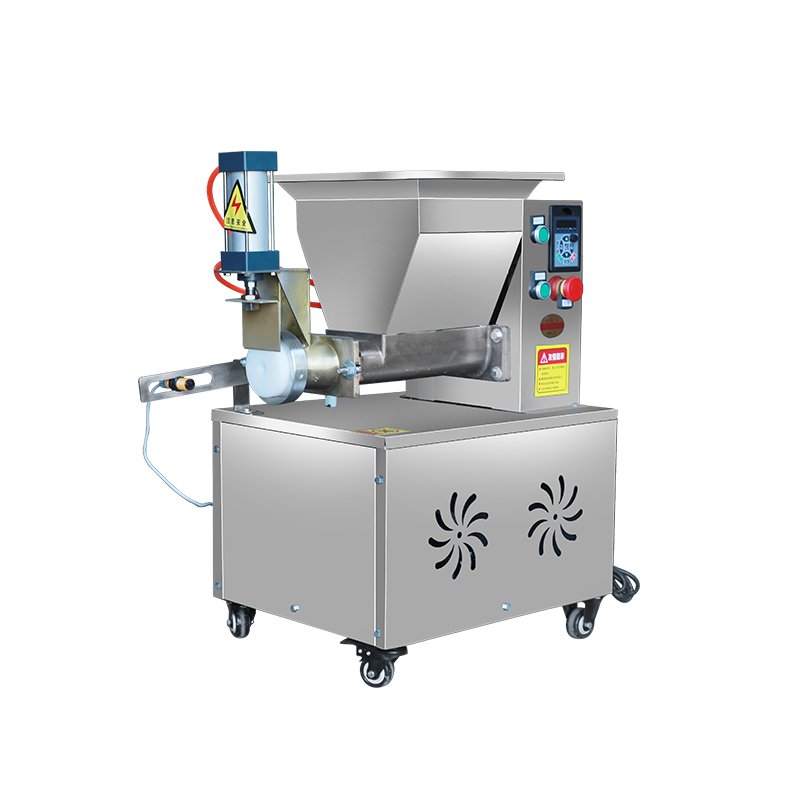
A pancake press rarely operates in isolation. For a seamless production line, consider how it integrates with your commercial stainless steel dough kneading mixer and automatic dough divider & portioning machine . Consistent dough consistency from the mixer and accurate portioning from the divider ensure the press operates at peak efficiency. Some advanced presses can be synchronized with upstream equipment via PLC, automating the entire process from mixing to pressing. This integration reduces labor costs and minimizes handling, further enhancing food safety.
5. Cost Analysis and ROI Considerations
Pricing for a CNC hydraulic fully automatic commercial pancake press varies widely based on capacity and features. Entry-level models with manual loading start around $8,000–$12,000, while high-speed automated lines with robotic loading can exceed $50,000. When calculating ROI, consider labor savings (one operator can manage multiple machines), reduced waste from consistent portioning, and energy efficiency. Die Hydraulik-Systemen mit Variable-Frequency-Drives kann die Power-Consumption von up to 30%. Also a factor in maintenance costs: quality hydraulic components and readily available spare parts reduce downtime. For a typical mid-sized operation producing 2,000 pancakes per hour, the payback period is often under 18 months.
Conclusion
Selecting the right CNC hydraulic fully automatic commercial pancake press requires a careful 'workout' of your production needs against key parameters: hydraulic pressure and cycle time, CNC programmability, hygienic construction, integration with dough preparation equipment, and total cost of ownership. By prioritizing these factors, you can enhance efficiency, ensure food safety, and achieve a rapid return on investment. For more insights on optimizing your production line, explore our industry news and technical guides or browse our full range of commercial food processing equipment .