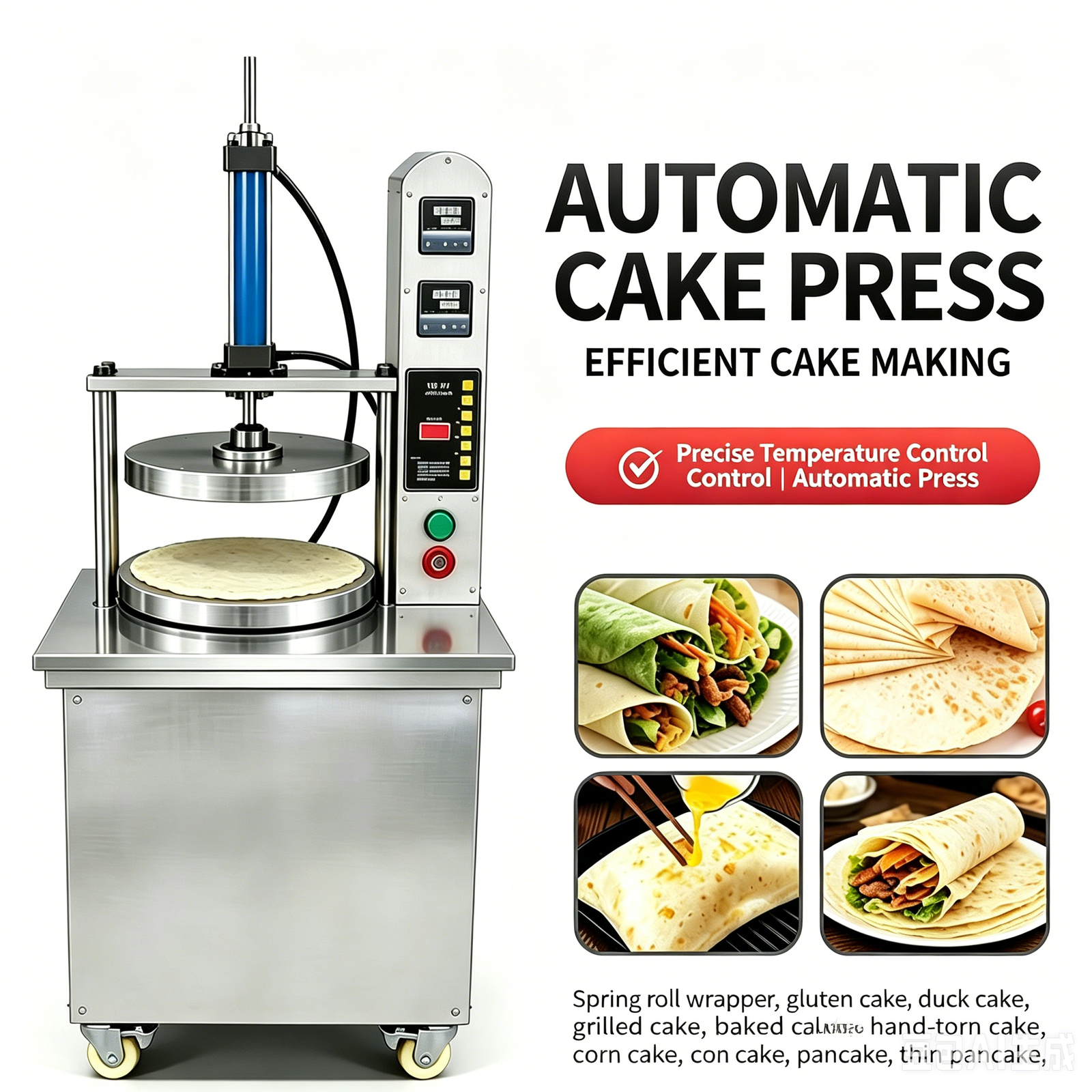
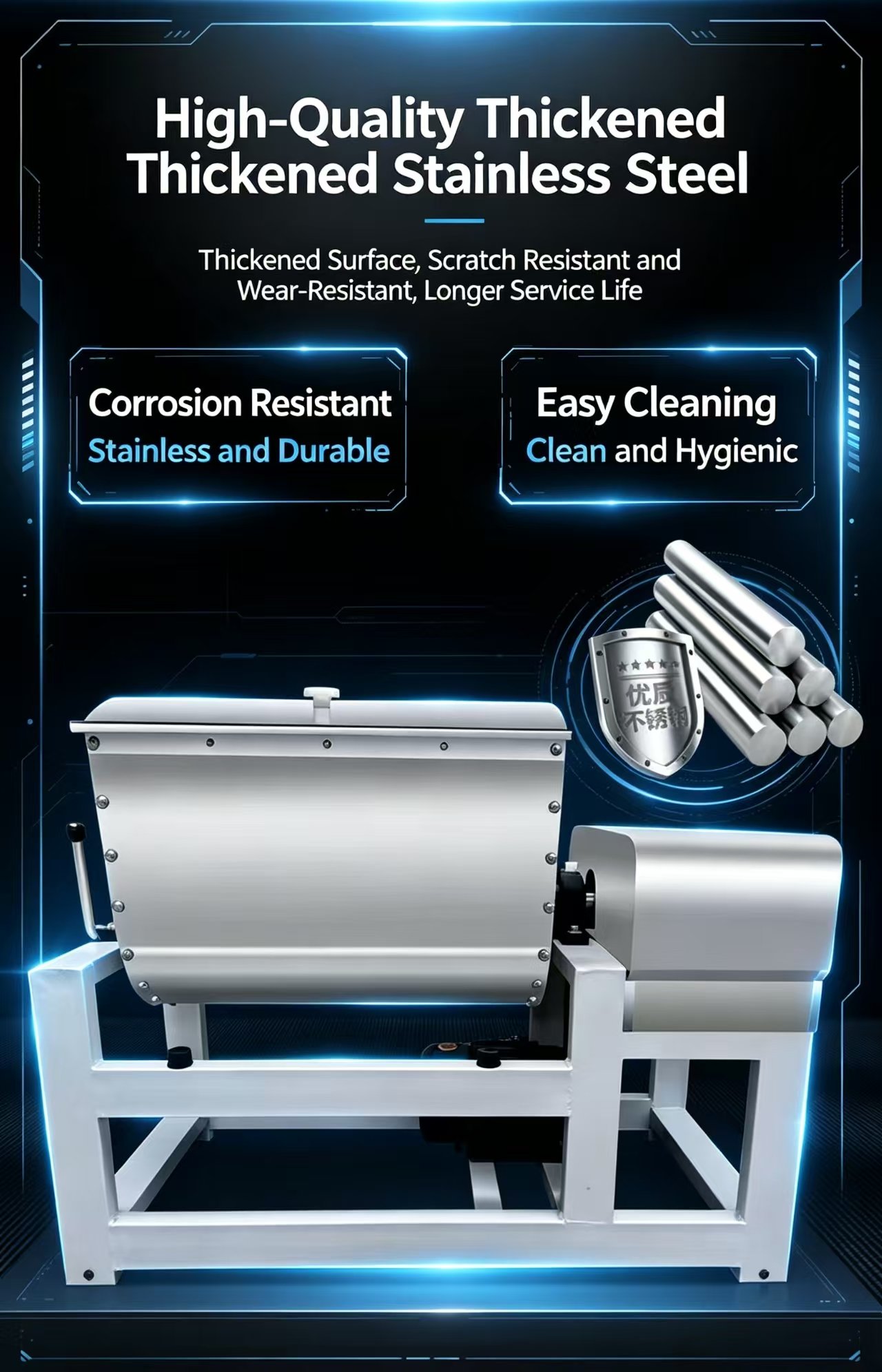
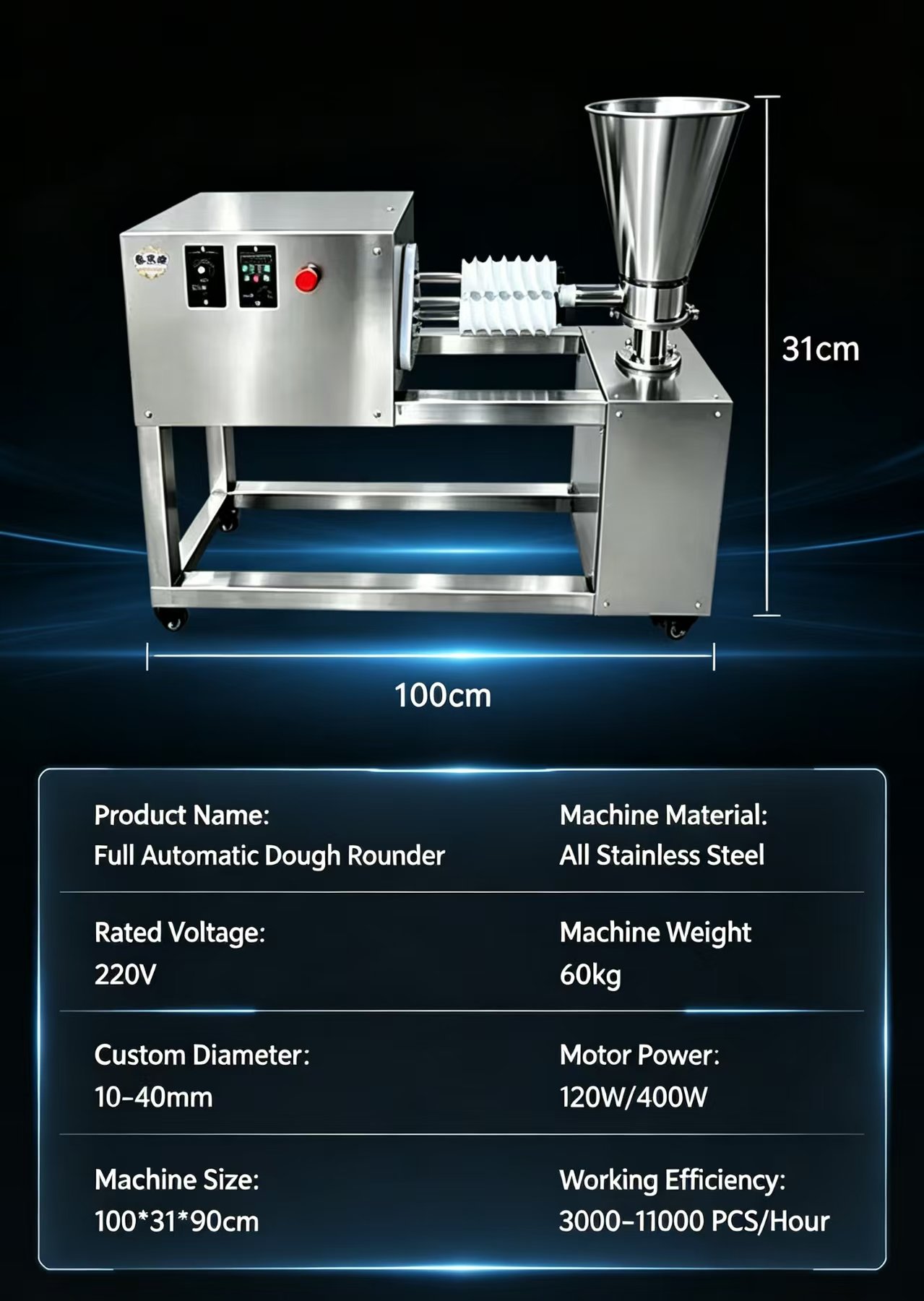
In the food processing industry, the selection and maintenance of machinery and equipment is directly related to production efficiency and product quality. Whether it is a start-up or a factory expansion, sourcing the right food machinery is a key decision. This article will provide you with a comprehensive guide from selection to maintenance to help you optimize your return on investment.
Selection core: match production requirements and process characteristics
When purchasing food machinery, it is first necessary to clarify the production line's capacity requirements, product characteristics (such as viscosity, granularity), and process flow. For example, sauce filling machines need to consider filling accuracy and anti-drip design, while baking equipment needs to pay attention to temperature control uniformity. It is recommended that buyers provide detailed material parameters and capacity requirements so that suppliers can recommend the most suitable model. In addition, modular design equipment facilitates future upgrades and reduces long-term costs.
Technical Highlights: Automation and Food Safety
Modern food machinery is becoming increasingly intelligent. PLC control systems and servo motors can achieve precise operation and reduce manual errors. At the same time, the material of the equipment must meet food-grade standards (such as 304 stainless steel), which are easy to clean and disinfect to avoid cross-contamination. For example, ourFilling production lineAdopt hygienic design, equipped with CIP cleaning system to ensure compliance with HACCP requirements. When purchasing, be sure to check whether the equipment has relevant certifications (such as CE, FDA).
Application scenarios: from raw material processing to packaging
Food machinery covers multiple links such as raw material cleaning, cutting, mixing, sterilization, filling, sealing, etc. Taking nut processing as an example, grading screening machines, roasters, and vacuum packaging machines are required to work together. Different scenarios have different requirements for corrosion resistance, wear resistance, and energy consumption of equipment. Understanding the connection points of each link and choosing equipment that can be integrated can significantly improve the overall efficiency.
Maintenance strategy: the key to extending the lifespan of equipment
Regular maintenance is the core to ensure the stable operation of equipment. It is recommended to develop a preventive maintenance plan, including daily cleaning, weekly lubrication, and monthly inspection of wearing parts. At the same time, train operators to standardize use and avoid overload operation. Data shows that good maintenance can extend the life of equipment by more than 30%. We provideMaintenance guides and troubleshooting tipsThis will help you reduce the risk of downtime.
Selection suggestion: comprehensive evaluation of cost performance and after-sales services
Don't just focus on the initial price, consider energy consumption, maintenance costs, spare parts supply and technical support. Choose a supplier with a good reputation and confirm that it provides installation and commissioning, operation training and after-sales response. For example, our equipment provides one-year quality assurance and remote technical support to ensure worry-free production.
In conclusion, scientific selection and maintenance is the key to the success of food machinery investment. For more product information, please visit ourProduct Center, or check it outIndustry informationGet the latest updates.