In today's highly competitive food processing industry, the choice of automated production lines is directly related to the production capacity, cost and market competitiveness of enterprises. As a food machinery buyer, you not only need to pay attention to the initial investment of equipment, but also need to focus on long-term operational efficiency and energy consumption control. This article will provide you with a practical reference for purchasing decisions from three dimensions: technical points, application scenarios and selection suggestions.
Key points of core technology: upgrade from stand-alone to full-line integration
Modern food machinery has evolved from a single-function device to a modular, intelligent full-line system. Key considerations include:
- Energy efficiency ratio:High-efficiency motors and variable-frequency drive technology can reduce energy consumption by 20% to 30%, resulting in significant long-term savings in electricity bills.
- Hygienic design:Food contact materials compliant with FDA or EU standards and CIP in-line cleaning systems ensure food safety and quick production changes.
- Intelligent control:PLC and HMI man-machine interface achieve parameter preset, fault self-diagnosis, reduce manual intervention and downtime.
For example, our continuous frying machine for the potato chip production line uses hot air circulation and precise oil temperature control, which saves 15% of energy compared to traditional equipment and increases the product qualification rate to over 98%.
Application scenario analysis: matching production line solutions of different categories
Different food categories have significant differences in mechanical requirements, requiring targeted customization.
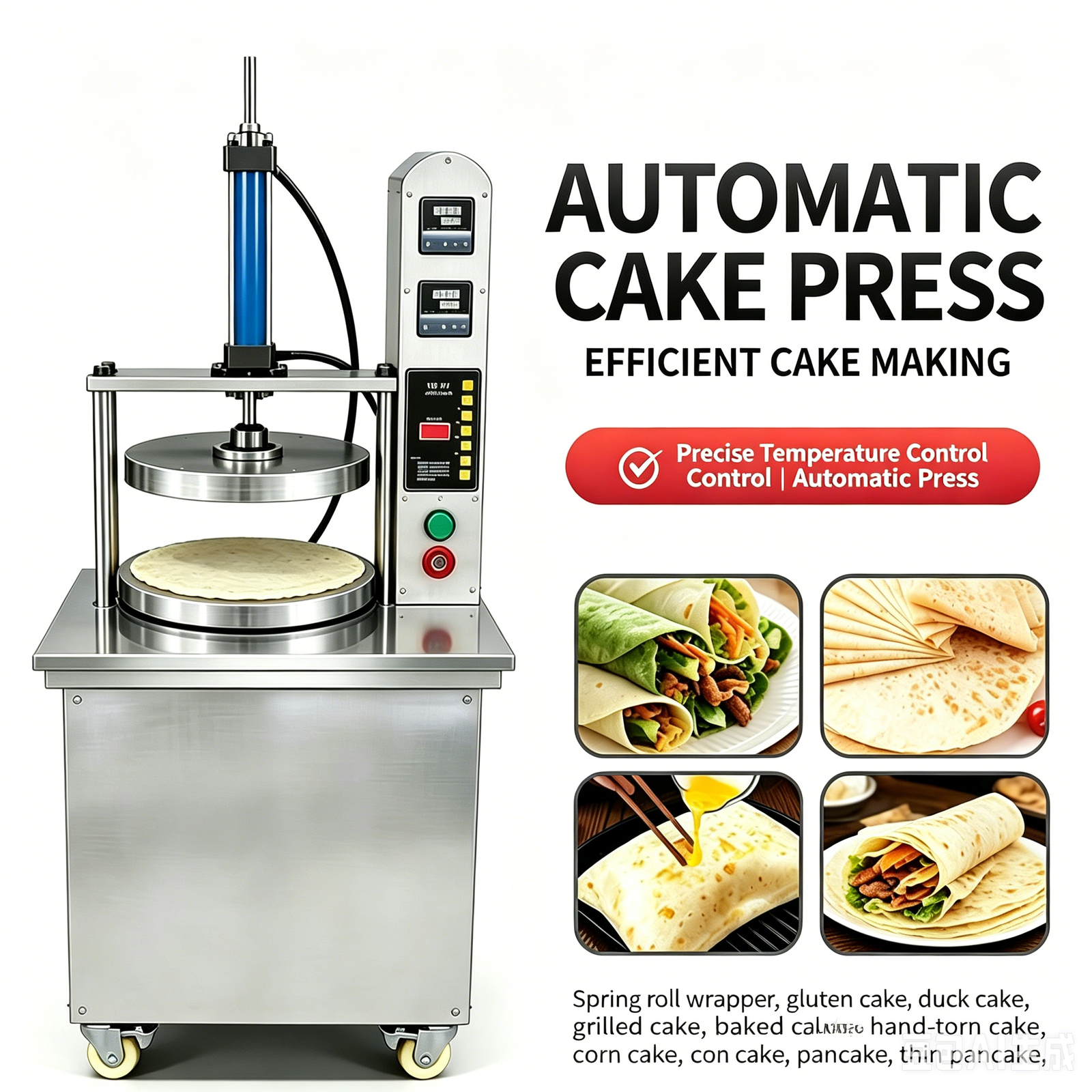
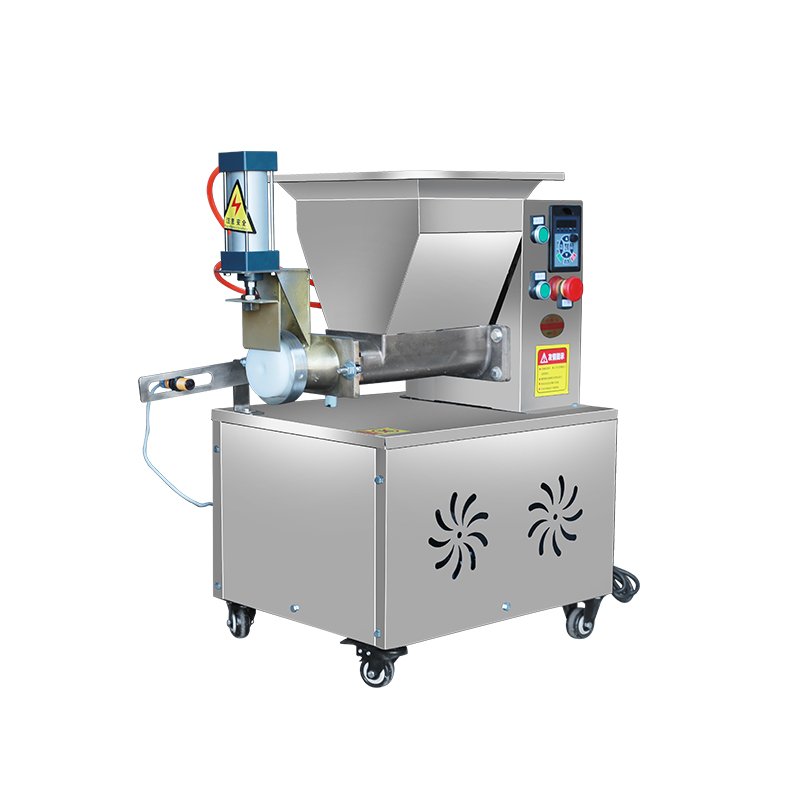
- Baked goods:Dough mixing, slitting, forming, baking, and cooling packaging should be seamlessly integrated, paying particular attention to the impact of temperature and humidity on quality.
- Casual snacks:The puffing, frying, seasoning and nitrogen-filled packaging processes need to be high-speed and stable to avoid breakage and uneven seasoning.
- Dairy drinks:Aseptic filling, homogenization, and UHT sterilization require high cleanliness levels and automated traceability.
We recommend conducting asmall-scale trial productionbefore purchasing to verify the equipment's performance under real-world conditions and to assess whether the manufacturer offers full-line integration and process support.
Selection advice: Comprehensively evaluate TCO and after-sales guarantees
Total Cost of Ownership (TCO) should include procurement, installation, energy consumption, maintenance, and residual value. Key considerations include:
- Modular design: Facilitates future capacity expansion or process upgrades, avoiding line-wide obsolescence.
- Spare parts compatibility: Select standard components with high market availability to reduce downtime waiting periods.
- After-sales service response: Verify whether the manufacturer provides 24-hour remote support and localized service outlets.
Taking our client case as an example, a nut processing company introduced a modular roasting line, reducing changeover time from 2 hours to 40 minutes and decreasing annual maintenance costs by 18%. For more full-line solutions, refer to ourProduct Centeror consult ourIndustry Trendsfor the latest technological trends.
Conclusion: Focus on long-term value and build a flexible production system
An efficient and energy-saving automated production line is not just about equipment procurement but also represents a strategic investment for enterprises. Purchasers are advised to select suppliers with full-line integration capabilities and continuous service commitments based on technological advancement, scenario adaptability, and lifecycle cost considerations. We are committed to providing tailored solutions to help your factory advance towards smart manufacturing.