Food Machinery Purchasing Guide: Key Insights from Soil and Fertilizer Management to Processing Equipment Selection
Recently, NDSU Extension published the North Dakota Soil and Fertilizer Resource Report, which provides scientific guidance for agricultural practitioners on soil fertility management and fertilizer use. Although this report focuses on the planting end, it sends an important signal to food machinery purchasers:The source management of raw material quality is becoming increasingly refined, which places higher demands on the adaptability, stability, and efficiency of processing equipment.Whether it is grain processing, fruit and vegetable handling, or meat cutting, changes in front-end agricultural practices directly affect the characteristics of raw materials in food factories, which in turn determine equipment selection and process parameters. Therefore, understanding the basic trends in soil and fertilizer management has become an indispensable part of food machinery purchasing decisions.
How do soil and fertilizer management trends affect food processing raw materials?
As an important agricultural production area in the United States, North Dakota's soil and fertilizer resource report emphasizes precision fertilization, organic matter improvement, and soil health monitoring. The direct results of these measures are that crops are more stable in yield and quality, but they may also change the physical characteristics of raw materials. For example, the hardness and protein content of wheat grains from scientific fertilization may be higher, which places new demands on the milling intensity and screening efficiency of milling equipment; while potatoes from fields rich in soil organic matter have different dry matter content and reducing sugar levels, directly affecting the process settings of slicing and frying equipment.
For food machinery purchasers, this meansNot only the parameters of the equipment itself, but also the agricultural management methods that trace the source of raw materialsIt is recommended to communicate the soil management report of the planting area with the raw material supplier before purchasing to understand the potential impact of fertilizer type (e.g. slow-release fertilizer, organic fertilizer) on crop processing characteristics. For example, corn with slow-release nitrogen fertilizer may have a denser starch structure, and the screw speed and water addition need to be adjusted in the puffing equipment. This cross-link synergy can significantly reduce trial and error costs.
Core food machinery selection points: adapt to raw material fluctuations
Due to the fluctuations in raw materials caused by soil and fertilizer management, food machinery should possess the following technical characteristics:
- Wide adjustable parameter rangeFor example, the roller spacing of the crusher, the amplitude of the grading screen, and the temperature and humidity curve of the dryer should be able to cover the hardness, moisture content, and particle size distribution of the raw materials under different fertilizer management.
- Online monitoring and feedbackIntegrate near-infrared (NIR) component analysis or machine vision to detect the protein, moisture, color and other indicators of raw materials in real time, and automatically adjust the operation status of the equipment. This is especially important when dealing with fruits and vegetables grown with organic fertilizers, as their maturity may be inconsistent.
- Modular designIt is convenient to replace key components according to the characteristics of raw materials, such as cutting knives with different tooth shapes and screens with different aperture sizes, in order to cope with changes in fiber content caused by soil differences.
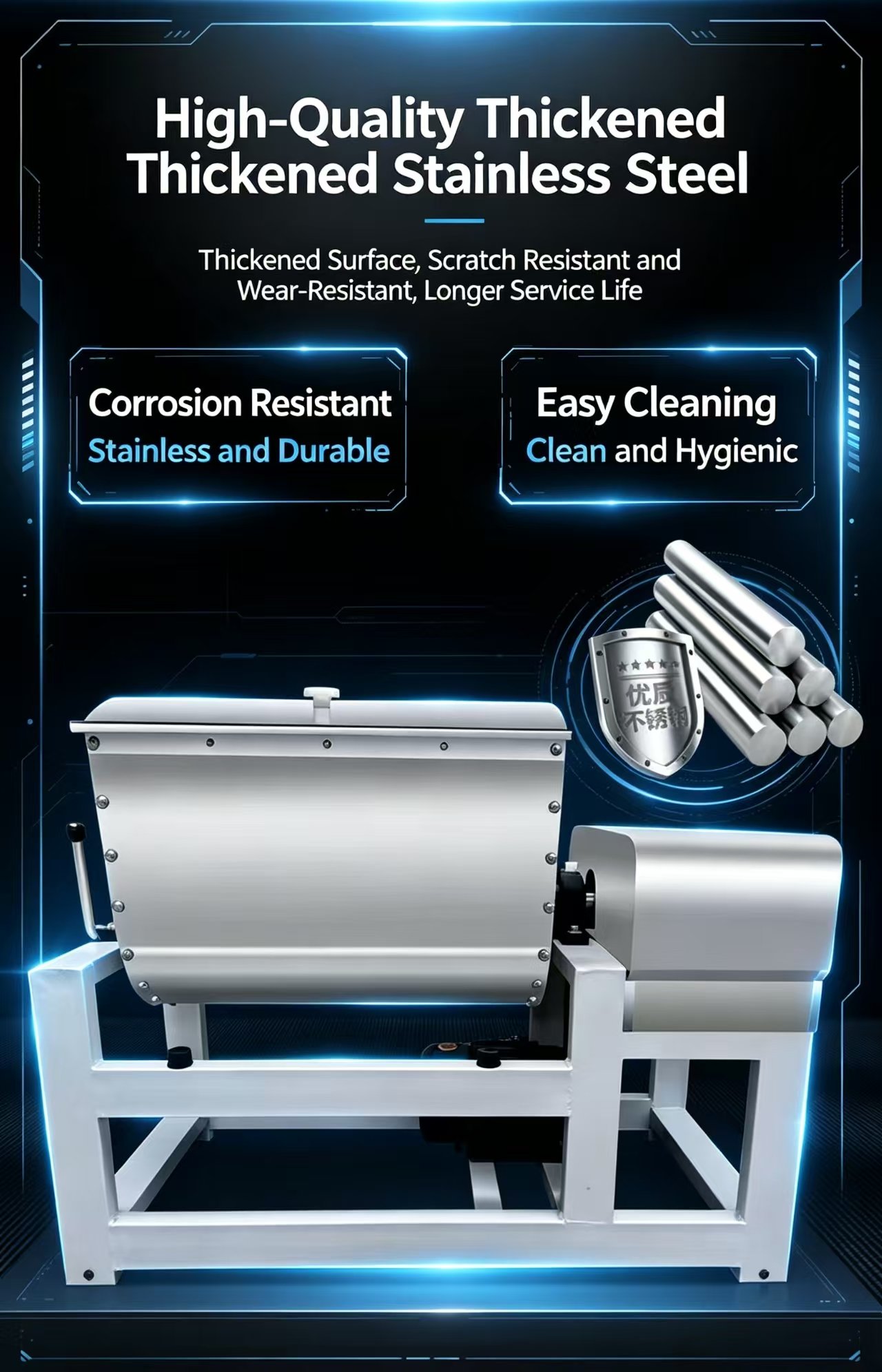
- Easy to clean and maintainSoil may carry more microorganisms and impurities, and equipment must be easy to clean thoroughly and meet food safety standards.
existGrain processingIn the scenario, if the raw material comes from precisely fertilized farmland, its bulk density and impurity ratio may be more stable, and high-speed continuous equipment can be selectedFruit and vegetable processingIf organic planting is involved, softer conveying and sorting equipment is required to avoid mechanical damage. Buyers can refer toProduct CenterEquipment solutions classified by raw material type can quickly match demand.
Application scenarios: from soil data to equipment configuration
Suppose a potato chip processing plant finds that its raw potatoes are low in reducing sugar due to abundant potassium fertilizer in the soil of the planting area, but have high dry matter content. This would have been beneficial to reduce the oil absorption rate of frying, but if the thickness of the slices is uneven, it will lead to color differences. At this time, the procurement focus should be onHigh Precision Slicer(Thickness tolerance ± 0.5mm) andOnline Color SorterSimilarly, for tomato sauce production lines that use organic fertilizers, the pectin content and acidity of tomatoes may fluctuate, requiringCrushing preheating system with adaptive controlTo stabilize the sauce yield.
These cases show that the selection of food machinery must be combined with the agricultural background of the raw materials. It is recommended that the buyer provide the soil management report or typical composition data of the raw materials when inquiring, so that the supplier can recommend the most suitable model. For more industry application analysis, please refer toNewsTechnical articles in.
Cross-link collaboration advice in procurement decision-making
In order to convert insights from soil and fertilizer management into a return on equipment investment, purchasers should establish a cross-functional evaluation team, including raw material procurement, quality control, and equipment engineering personnel. Specific steps:
- Collection of raw material dataAsk the supplier for soil test reports and fertilizer use records in the past two years, and analyze the coefficient of variation of key indicators such as pH, organic matter, nitrogen, phosphorus and potassium.
- Define equipment specifications: According to the data fluctuation range, set the processing capacity, adjustment accuracy and tolerance limit of the equipment. For example, if the coefficient of variation of raw material hardness exceeds 15%, a hydraulic-regulated crusher needs to be selected.
- Request the supplier to provide a test reportLet the machinery supplier test the machine with your actual raw materials to verify the performance of the equipment under extreme conditions.
- Consider full life cycle costsAdaptable and upgradeable equipment, although the initial investment is high, can reduce the cost of downtime due to changes in raw materials.
In conclusion, NDSU Extension's Soil and Fertilizer Resources report reminds us that food processing is not an isolated process. From soil to table, every agricultural management decision leaves its mark on the selection of machinery. Only by incorporating scientific management of raw materials into the procurement vision can a truly efficient and flexible food production line be built.
summary
Food machinery buyers should proactively pay attention to the technical dynamics of the agricultural side, such as soil and fertilizer management reports, to anticipate changes in raw material characteristics. By selecting equipment with adjustable parameters, online monitoring, modularization, and establishing cross-link collaboration processes, raw material fluctuations can be effectively coped with and production efficiency can be improved. Remember,Good food machinery not only processes products, but also adapts to the land...