Food Machinery Safety from New York Farm Safety Milestones: Five Core Dimensions Purchasers Must Focus On
Recently, the New York State Farm Safety Project reached an important milestone, once again bringing safety management in the agricultural and food processing sectors to the public's attention. For food machinery purchasers, this trend sends a clear signal: equipment safety is no longer just a compliance baseline, but a key factor in determining long-term operational efficiency and brand reputation. As a professional platform for the food machinery industry, jyfoodmachinery.com always follows global safety standard developments. This article will draw from the practical experience of New York farms to distill five safety dimensions that must be emphasized in food machinery procurement, helping you make more informed decisions when selecting equipment.
I. Mechanical Protection Design: Reducing Operational Risks at the Source
One of the core outcomes of the New York Farm Safety Project is the promotion of the widespread use of physical protection and interlocking devices on agricultural machinery. This concept also applies to food processing equipment. When evaluating equipment such as cutting machines, mixers, and meat grinders, purchasers should prioritize models equipped with the following protective designs:
- Fully Enclosed Drive System: Prevents operators from coming into contact with moving parts like belts and gears.
- Interlocked Guard Shields: The equipment automatically stops when the guard shield is opened, preventing accidental operation.
- Emergency Brake Buttons: Prominently located and easily accessible, with braking distances meeting ISO 13850 standards.
According to the US Occupational Safety and Health Administration (OSHA), about 18% of food processing injuries are due to the lack of effective protection of machinery. Selecting equipment with perfect protection design can reduce the accident rate by more than 60%. It is recommended that purchasers focus on checking the integrity and response speed of protective devices during factory inspections.
II. Hygienic design: the dual guarantee of safety and food safety
Farm safety is not only concerned with personal injury, but also covers biosecurity. In the field of food machinery, hygienic design is directly related to the risk of microbial growth and cross-contamination. The "clean-disinfect-dry" process emphasized by the New York project corresponds to the ease of cleaning and corrosion resistance of the equipment. Buyers should pay attention to:
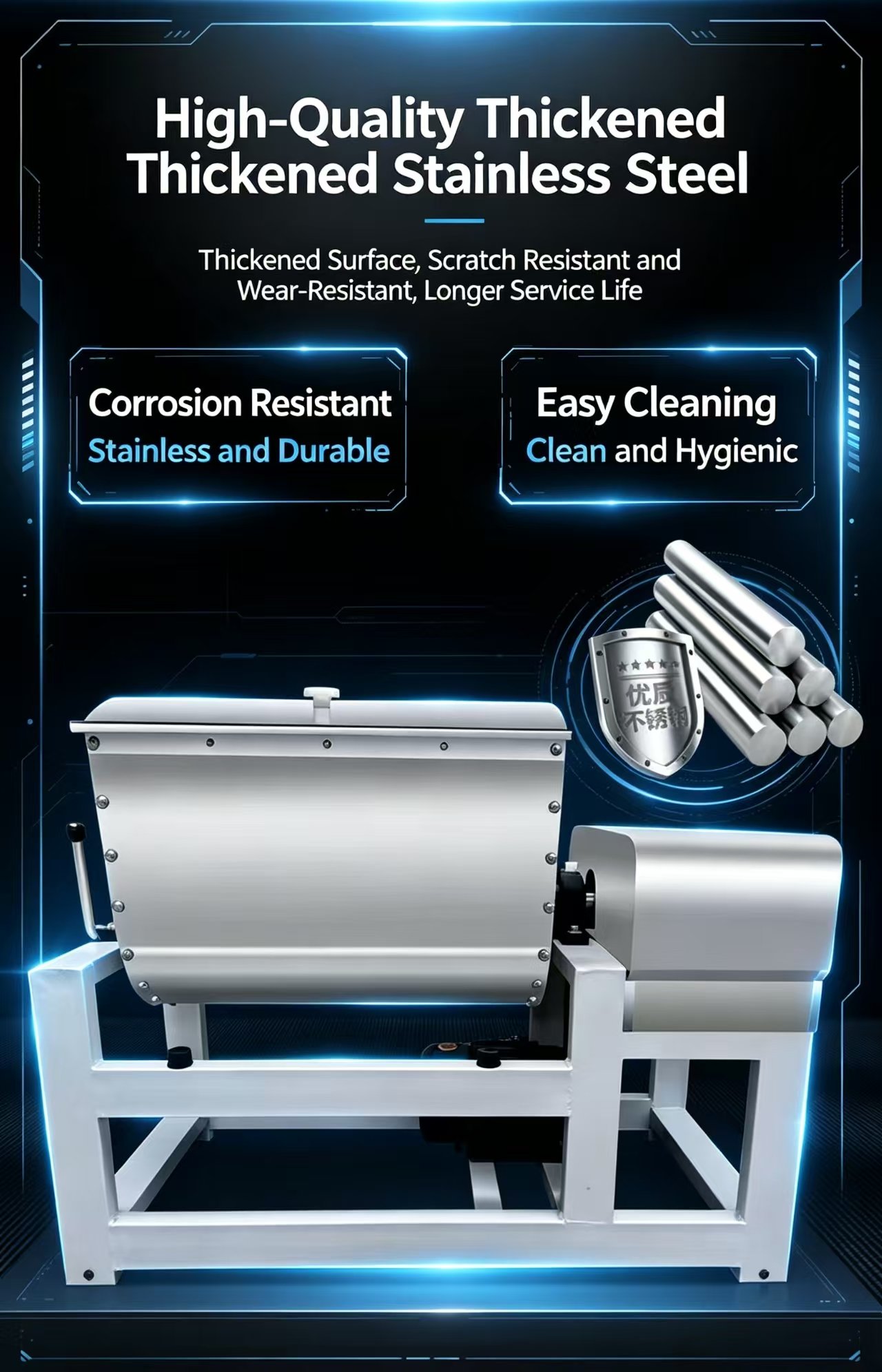
- Food grade stainless steel304 or 316L stainless steel, acid and alkali resistance, high temperature resistance.
- dead-end structureRounded corner transition, removable parts to avoid material residue.
- Drainage and splash protection designPrevent the accumulation of cleaning water and reduce the growth of bacteria.
Certification by the European Organisation for Hygienic Engineering and Design (EHEDG) is the definitive reference for hygienic design. A device certified by EHEDG can increase cleaning efficiency by 40% while reducing chemical use. More guidelines for selecting hygienic equipment can be accessed/zh/productsReview the detailed parameters.
III. Electrical and control system safety: an intelligent double-edged sword
As the automation of food machinery increases, electrical safety becomes a new risk point. The New York Farm Safety Program places special emphasis on electrical fire and shock protection in its training. For purchasers, it is necessary to confirm that the equipment meets the following standards:
- IP protection levelIP65 for humid areas and IP69K for high-pressure flushing areas.
- Safety PLCs and Redundant CircuitsEnsure that signals such as emergency stops and safety doors are reliable.
- Overload and leakage protection: Comply with the IEC 60204-1 standard.
It is worth noting that although intelligent control systems improve efficiency, they may also cause unexpected startups due to software failures. Purchasers should require suppliers to provide a Safety Integrity Level (SIL) assessment report to ensure that the control system meets SIL 2 or higher. According to industry data, equipment with safety PLCs can reduce downtime caused by electrical failures by 35%.
IV. Operational Training and Human-Machine Engineering: Overlooked Soft Safety
The success of the New York farm safety project is largely due to continuous training for operators. Food machinery purchasers often focus on hardware and neglect training, which may result in advanced equipment failing to perform as safely as it should. It is recommended that the following be specified in the purchase contract:
- On-site training and assessment: The supplier must provide at least 8 hours of hands-on training.
- Human-Machine Engineering Design: The height, force, and field of view of the operating interface should comply with ergonomic standards to reduce fatigue during operation.
- Multilingual Safety Signage: Adapt to employees from different cultural backgrounds.
Studies show that operators who have undergone systematic training have a 72% lower rate of misoperation than those who have not received training. Therefore, including training services in the procurement evaluation system is an effective means of reducing long-term safety risks. For more industry safety training information, please follow the regular updates at /zh/news.
V. Compliance and Certification: A Passport to Global Markets
Behind the milestones of New York farm safety are increasingly stringent regulatory requirements. Food machinery purchasers who target export markets must ensure that their equipment meets the safety certifications of the target markets. Common certifications include:
- CE CertificationThe EU Machinery Directive 2006/42/EC.
- UL Certification: Electrical safety for the North American market.
- CSA Certification: Canadian market.
- NSF Certification: Food equipment hygiene standards.
Lacking necessary certifications may result in equipment being detained by customs or even face heavy fines. It is recommended that purchasers require suppliers to provide certification certificates during the inquiry stage and verify their validity. According to statistics, equipment with complete certifications can command a market premium of 15%-20%, but the long-term operational risks are significantly reduced.
Summary: Safety is an investment, not a cost.
The milestones of the New York Farm Safety Project remind us that every small step in safety management is a major step forward for the industry. For food machinery purchasers, incorporating safety into selection criteria is not only a responsibility to employees but also an investment in sustainable competitiveness. From mechanical protection to hygienic design, from electrical safety to training systems, and to global compliance, all five dimensions are indispensable. Choosing a platform that emphasizes safety standards like jiyufoodmachinery.com will help you accurately match equipment that meets international norms, making safety an invisible champion on your production line.