In the food processing industry, the selection of machinery and equipment is directly related to production efficiency, product quality and long-term competitiveness of enterprises. Faced with a wide variety of food machinery on the market, purchasers are often faced with complex technical parameters, large investment amounts, and high maintenance costs. This article will systematically sort out the key points of food machinery selection from four dimensions: process requirements, equipment performance, operating costs and after-sales services, and help you make more informed purchasing decisions.
First, clarify the process requirements: the first prerequisite for type selection
The selection of food machinery must begin with a deep understanding of the production process. Different food categories (such as baking, meat products, dairy products, fruit and vegetable processing) have significantly different equipment requirements. For example,continuous production lineSuitable for large-scale standardized productionintermittent equipmentIt is more flexible and suitable for multi-variety and small batch orders. Before purchasing, it is recommended that you sort out the following information in detail:
- Feedstock characteristics (water content, viscosity, granularity, etc.)
- Capacity requirements (processing capacity per hour or daily shift output)
- Product specifications (size, shape, packaging form)
- Hygiene standards (e.g. HACCP, ISO 22000 certification requirements)
These data will directly affect the technical parameters of equipment selection, such as motor power, conveyor belt speed, temperature control range, etc. If you are not clear about your own process requirements, please refer to usIndustry informationShare the case in, or contact a professional engineer for technical consultation.
Second, evaluate equipment performance: focus on core metrics and energy-efficient design
Equipment performance evaluation is the core part of model selection. In addition to basic processing capabilities, the following indicators deserve attention:
- Energy efficiency: High-efficiency motors, variable frequency speed regulation and waste heat recovery technology can significantly reduce operating costs. For example, using variable frequency drive can save 20% -40% of electricity consumption.
- degree of automationPLC control systems and human-machine interfaces can reduce manual intervention and improve consistency and traceability.
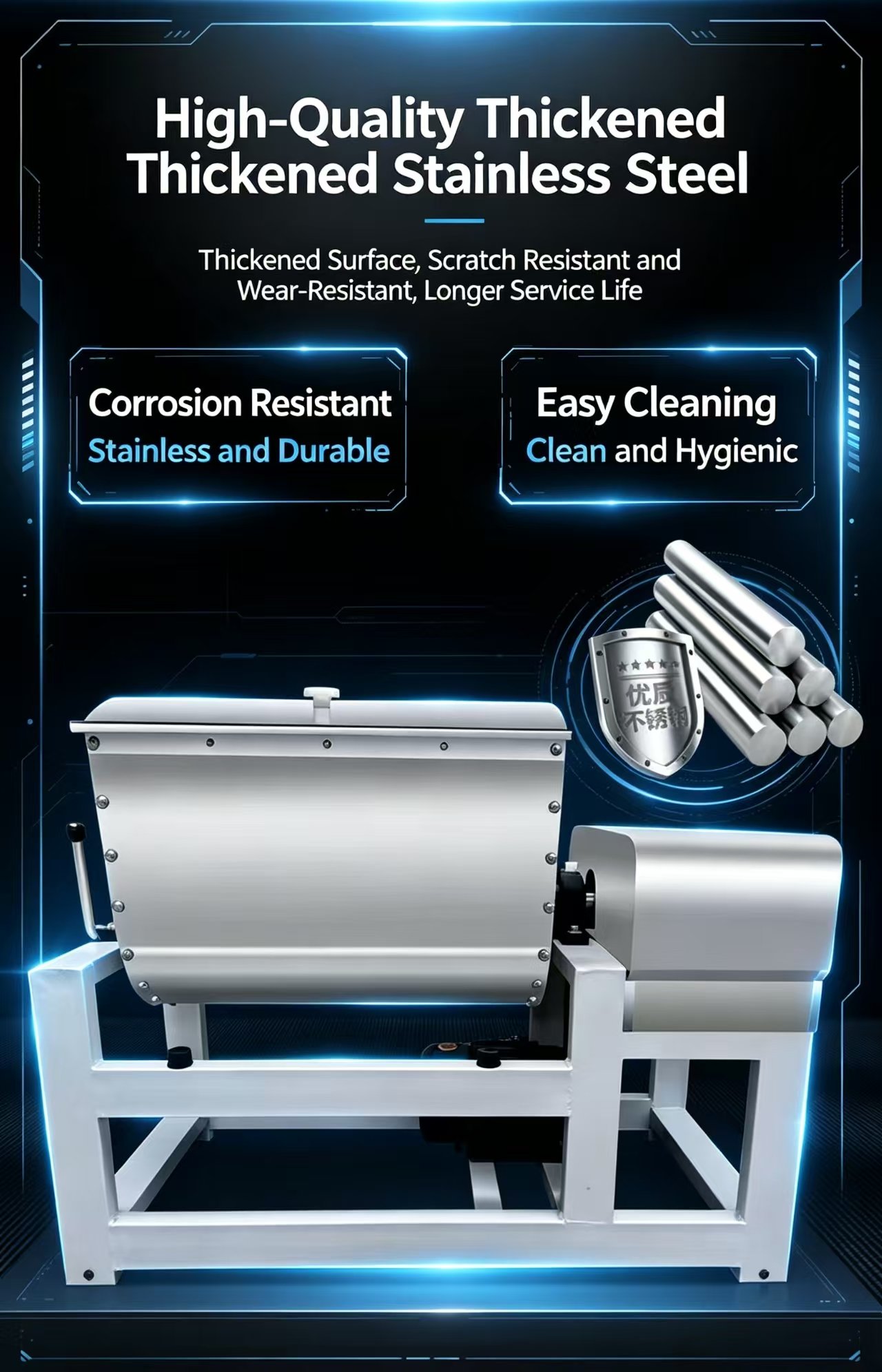
- Material and durabilityFood contact parts should be made of 304 or 316L stainless steel to ensure corrosion resistance and meet food grade certification.
- Cleaning convenience: CIP (in-place cleaning) design and quick-release structure can shorten cleaning time and improve effective operation rate.
With ourFood machinery product lineFor example, many devices come standard with energy efficiency class labels and modular designs, allowing you to configure them flexibly according to your budget and needs.
III. Calculating the total cost of ownership: exceeding the initial purchase price
Purchasing decisions should not be based solely on the price of equipment, but should be calculatedTotal Cost of Ownership (TCO), including:
- Acquisition costs (including transportation, installation, and commissioning)
- Operating costs (energy consumption, consumables, maintenance)
- Downtime costs (lost capacity due to failures)
- Residual value and upgrade potential
For example, a device with an energy consumption of 15kW, if it runs for 10 hours a day, the electricity fee is calculated at 0.8 yuan/kWh, and the annual electricity fee is about 43,800 yuan; while the equipment with 10% higher energy efficiency saves about 4380 yuan per year, which can save more than 20,000 yuan in 5 years. In addition, the choice of modular design equipment does not need to be replaced as a whole when the production line is upgraded in the future, which can greatly reduce the cost of secondary investment.
IV. Emphasize after-sales services and technical support
The stable operation of food machinery is inseparable from timely after-sales support. When purchasing, please be sure to confirm whether the supplier provides:
- Localized service network (response time within 24 hours)
- Spare parts inventory and supply cycle (whether key wearing parts are in stock)
- Operational training and process guidance (to help your team get started quickly)
- Remote diagnostics and preventive maintenance programs
We understand the importance of stable operation of equipment to your production plan, so we have service stations in major production areas across the country and provide annual inspection services. You canProduct CenterCheck the specific quality assurance terms and extended warranty options for each model.
summarize
The selection of food machinery is a systematic project that requires comprehensive consideration of process adaptability, equipment performance, long-term costs, and the supplier's service capabilities. It is recommended that you prepare a detailed procurement request document, invite multiple suppliers for technical exchanges and solution comparisons, and conduct pilot production of prototypes when necessary. Through a scientific evaluation process, you will be able to select high-quality equipment that meets your current production needs and offers a good return on investment, laying a solid foundation for the sustainable development of your enterprise.