How can crop rotation and intercropping technology bring new opportunities for raw material supply to the food machinery industry?
In the food processing industry, the stable supply of raw materials and quality control have always been core challenges for enterprises. In recent years, breakthroughs have been made in crop rotation and intercropping technology research in the agricultural field, which has not only broadened the sources of raw materials for the biofuel industry, but also indirectly provided new raw material supply ideas for the food machinery industry. By scientifically planning crop planting cycles, food processing enterprises can utilize land resources more efficiently and obtain diversified and sustainable raw materials. This article will explore the implications of crop rotation and intercropping technology for the food machinery industry and provide suggestions for equipment selection and process optimization.
Technical Key Points of Crop Rotation and Intercropping and Its Influence on Raw Material Supply Chain
Crop rotation and intercropping is an agricultural practice of planting different crops in seasonal order on the same plot of land, aiming to improve land use, reduce pests and diseases, and enhance soil fertility. For example, planting a winter cover crop (such as rye) immediately after the corn harvest can provide green manure for subsequent crops the following spring. This model expands raw material supply from a single season to the whole year, placing new demands on raw material storage and preprocessing equipment in food processing enterprises. Food machinery buyers should focus on general-purpose washing, sorting, and drying equipment capable of handling multiple crop types (such as grains, legumes, and oilseeds) to adapt to changes in raw material types.
Application scenarios: Equipment adaptation from biofuels to food processing
Crop rotation and intercropping technologies were initially applied in the field of biofuels, such as the production of cellulosic ethanol using winter cover crops. In food processing, similar logic can be used to develop new healthy food ingredients, such as processing rotation crops such as rye and buckwheat into high-fiber flour or snacks. This requires greater adaptability for food machinery: for example, vibrating screens used for grain cleaning require adjustable amplitude and screen aperture to handle crops with different particle sizes; Drying equipment must have precise temperature and humidity control functions to avoid damaging heat-sensitive nutrients. When selecting models, food machinery buyers should prioritize modular design equipment to facilitate rapid switching of processing objects.
Selection advice: How to choose food machinery suitable for crop rotation and intercropping raw materials
In response to the diversity of raw materials brought about by crop rotation and intercropping, the selection of food machinery should follow the following principles:
- Flexibility Priority Choose equipment that can quickly change molds or adjust parameters, such as multi-functional shredders and adjustable slicers. For example, a certain model of shredder can switch from corn grinding to bean grinding by replacing the screen, improving efficiency by 30%.
- intelligent control Equipped with PLC and sensors, it automatically monitors parameters such as raw material moisture and hardness and adjusts the process. For example, intelligent dryers can dynamically adjust the hot air temperature according to the moisture content of raw materials, reducing energy consumption by 15%.
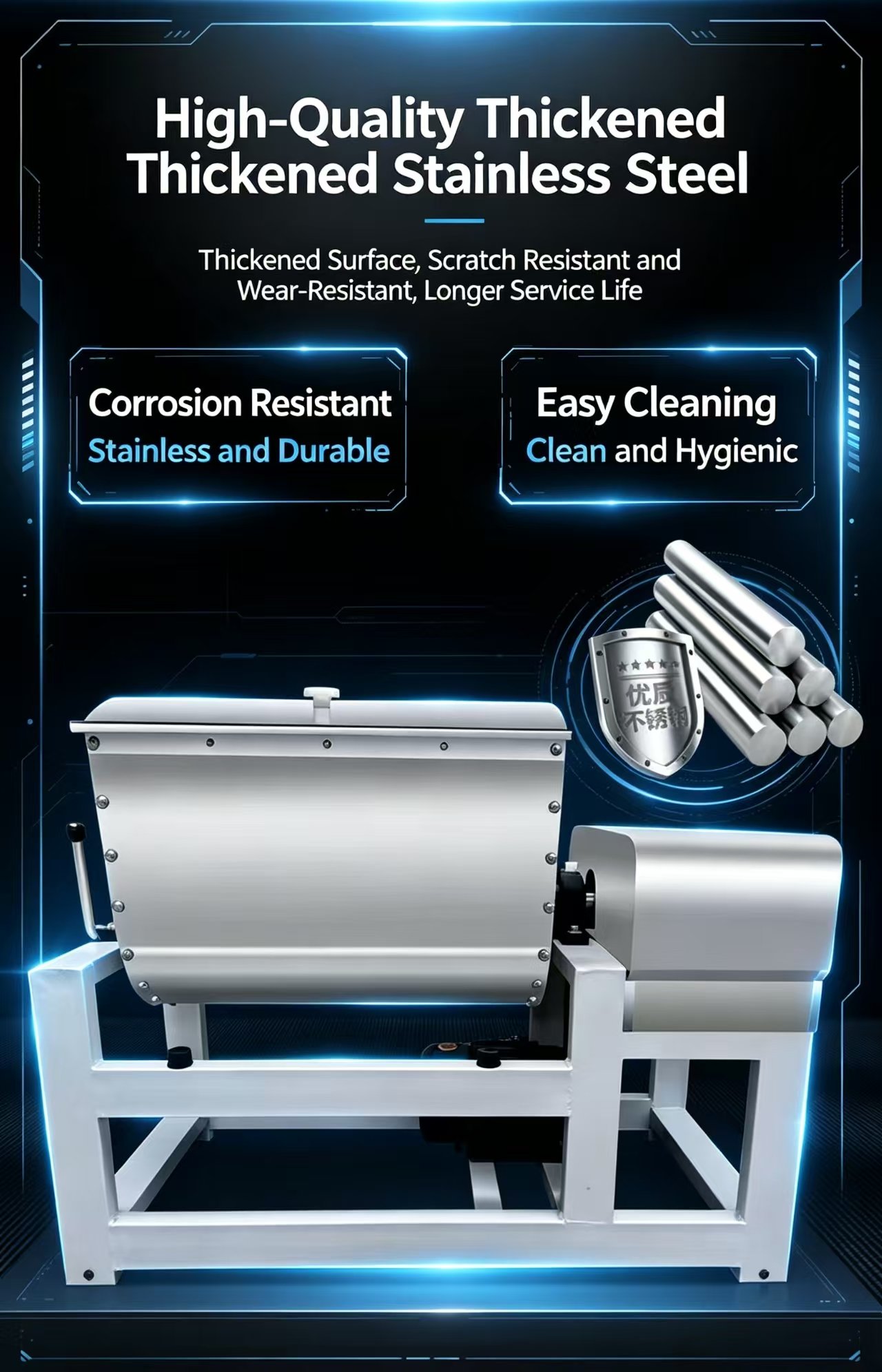
- Easy to clean and maintain The equipment structure should have no blind spots and adopt a quick-disassembly design to facilitate cleaning and switching between different crops and prevent cross-contamination. It is recommended to purchase stainless steel equipment that meets sanitary standards.
sum up
Crop rotation and intercropping technology provides food processing enterprises with stable and diversified raw material supply solutions, and the flexibility and intelligence of food machinery are key to making full use of this opportunity. By selecting suitable cleaning, crushing, and drying equipment, companies can reduce raw material costs and expand new product lines. Buyers are advised to focus on modular design and intelligent control functions when selecting equipment to cope with future changes in raw material structure. To stay informed about industry trends, please refer to our... News Centre Get more technical articles.