Troubleshooting Guide for CNC Hydraulic Fully Automatic Commercial Bread Presses: 5 Key Points to Read Before Purchasing
In the food processing industry, CNC hydraulic fully automatic commercial cake presses have become core equipment for many production lines due to their high efficiency and precision. However, buyers often only focus on production capacity and price when making purchases, neglecting the convenience of equipment troubleshooting. This guide will focus on common faults, troubleshooting methods, and key points for purchasing and selecting CNC hydraulic fully automatic commercial cake presses, helping you make informed purchasing decisions and reduce subsequent operation and maintenance costs.
1. Common fault types and rapid diagnostic methods
CNC hydraulic fully automatic commercial cake presses integrate hydraulic systems, CNC control systems, and mechanical transmissions. Faults typically concentrate in the following areas:
- hydraulic system failure Insufficient pressure, excessively high oil temperature, cylinder leakage. This manifests as uneven pressing force or inability to maintain pressure. When purchasing, attention should be paid to the brand of hydraulic components (such as Rexroth and Oilfield Research) and the system's heat dissipation design.
- CNC control system failure Program error, servo alarm, touchscreen unresponsive. Check power supply stability and grounding, and ensure the supplier provides a detailed fault code manual.
- Mechanical wear Mold wear and decreased guide rail accuracy. Regular lubrication and replacement of vulnerable parts can prevent this. When purchasing, it is necessary to confirm the mold material (such as SKD11) and the replacement cost.
Rapid diagnosis can be done using the equipment's built-in fault self-test function. When purchasing, priority should be given to models with real-time alarms and fault history.
2. Procurement Selection: How to Assess Equipment Maintainability
The ease of troubleshooting depends directly on the design of the equipment. When purchasing a CNC hydraulic fully automatic commercial cake press, the following maintainability indicators should be considered:
- modular design Are the hydraulic station, control system, and pressing unit independent modules for quick disassembly and replacement?
- troubleshooting interface Are PLC debugging ports and remote diagnostic functions reserved to facilitate supplier technical support?
- Spare parts versatility Whether standard parts are used for hydraulic seals, sensors, etc., to shorten the spare parts procurement cycle.
- Technical document completeness : Whether detailed electrical schematics, hydraulic circuit diagrams, and troubleshooting manuals are provided.
It is recommended to request suppliers to provide failure rate data and mean time to repair (MTTR) from past customers before purchasing, and to refer to Product Center Comparison of technical parameters of different models.
3. Routine Maintenance and Preventive Maintenance Plan
The key to reducing the occurrence of failures is preventive maintenance. For CNC hydraulic fully automatic commercial cake presses, the following maintenance plan is recommended:
- Daily Check the hydraulic oil level, oil temperature, and pressure gauge readings; Clean mold surface residue.
- Weekly : Check for leaks in hydraulic line connectors; Clean the dust from the electrical control cabinet.
- Monthly Test the emergency stop and safety door switch functions; Check the CNC program positioning accuracy.
- per annum Replace the hydraulic oil and filter; Comprehensive inspection of servo motors and drives.
The procurement contract should specify the supplier's maintenance training and technical support response time. More maintenance tips can be found at Industry News A special topic on equipment maintenance.
4. Cost Considerations: Downtime and O&M Budget
Troubleshooting costs include direct repair costs and downtime losses. Taking a medium-sized CNC hydraulic fully automatic commercial cake press as an example, the cost of replacing the hydraulic pump is about 2,000-5,000 yuan, and the cost of repairing the control system motherboard is about 3,000-8,000 yuan. A one-day shutdown could result in tens of thousands of yuan in lost output value. Therefore, when purchasing, instead of just comparing the initial price, the full lifecycle cost should be assessed:
- Choose a supplier that offers a warranty of more than 2 years and 24-hour technical response.
- Priority will be given to high-end models with predictive maintenance features, such as online oil monitoring.
- Negotiate discounted spare parts packages to reduce long-term maintenance expenses.
A reasonable budget plan should include 10%-15% of the equipment price as annual maintenance costs.
5. Collaborative fault handling with other equipment on the production line
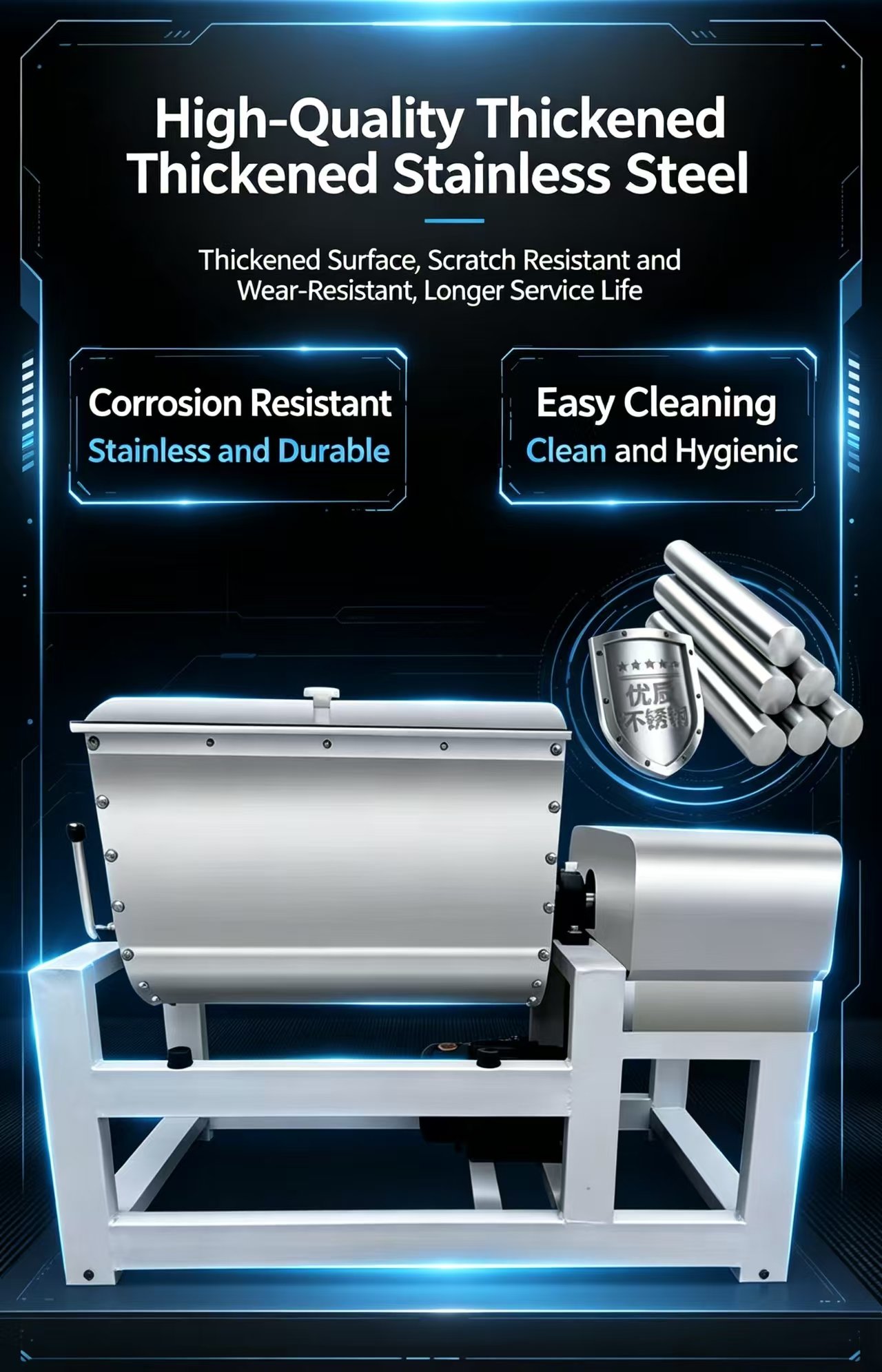
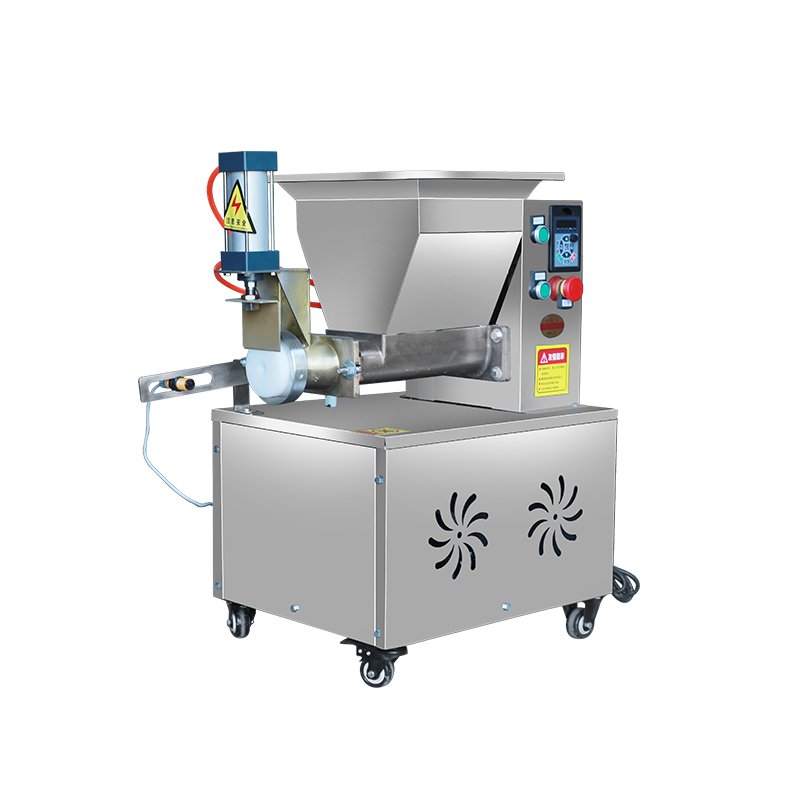
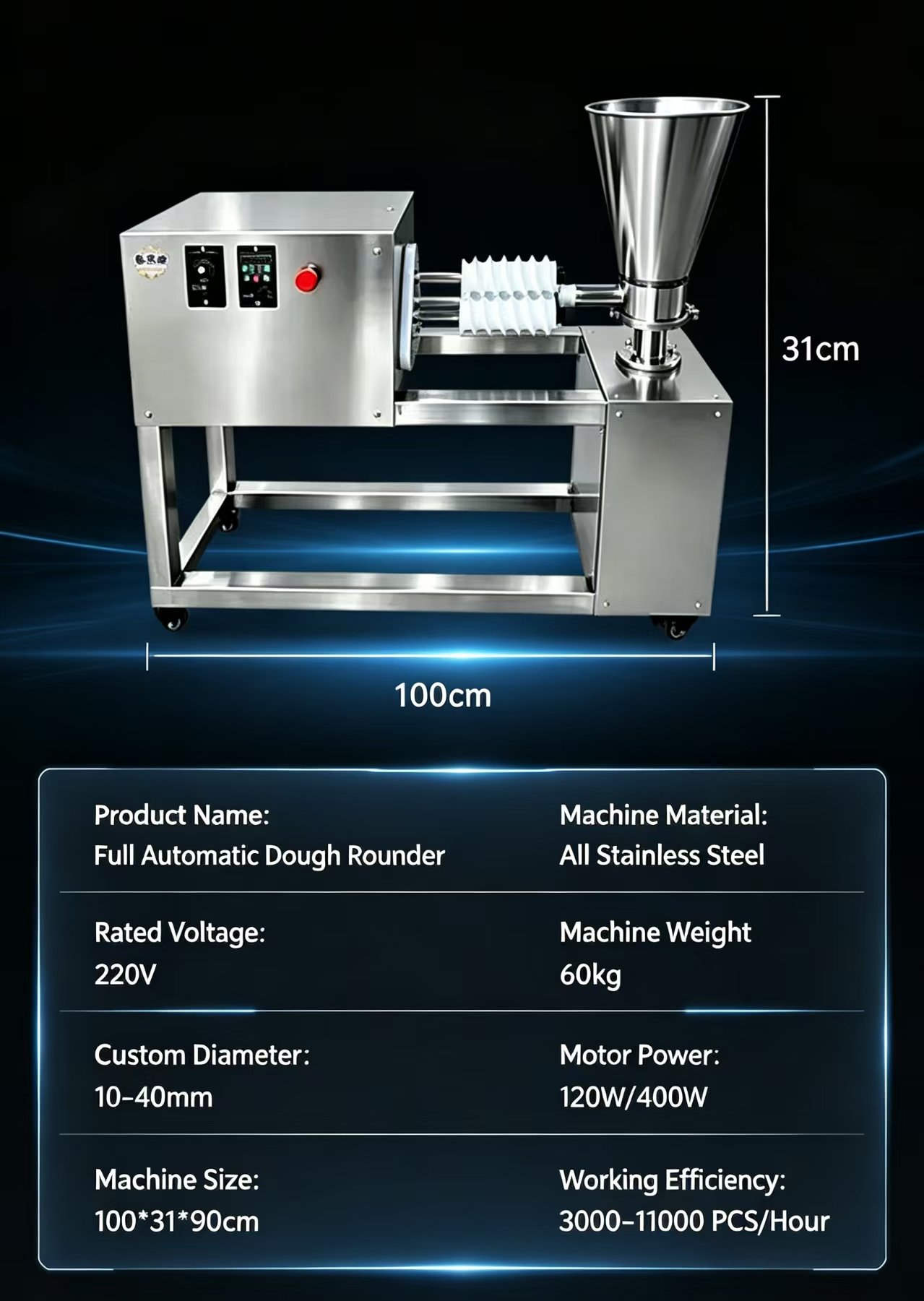
CNC hydraulic fully automatic commercial cake presses usually form a production line with kneading machines, dividing machines, and rounding machines. When the cake press malfunctions, the problem needs to be quickly isolated to avoid affecting the entire line. When purchasing, ensure that the equipment has standard communication interfaces (such as Modbus and Ethernet) to facilitate centralized monitoring. At the same time, understand upstream equipment (such as commercial stainless steel kneading machine ) and downstream equipment (such as Fully automatic rounding machine Common faults help to quickly locate the problem. For example, uneven dough moisture content may cause the cake pressing mold to stick, in which case it is necessary to check the mixing effect of the dough kneader rather than the cake pressing machine itself.
In conclusion, when purchasing CNC hydraulic fully automatic commercial cake presses, incorporating the ease of troubleshooting into the evaluation system can significantly reduce long-term operating costs. By focusing on hydraulic system brands, control system openness, modular design, preventative maintenance plans, and supplier technical support capabilities, you will obtain an efficient and reliable production equipment. Check out our Product Series Obtain detailed technical specifications and a sample troubleshooting manual.