Troubleshooting guide for CNC hydraulic fully automatic commercial cake presses: 5 key points you must know before purchasing
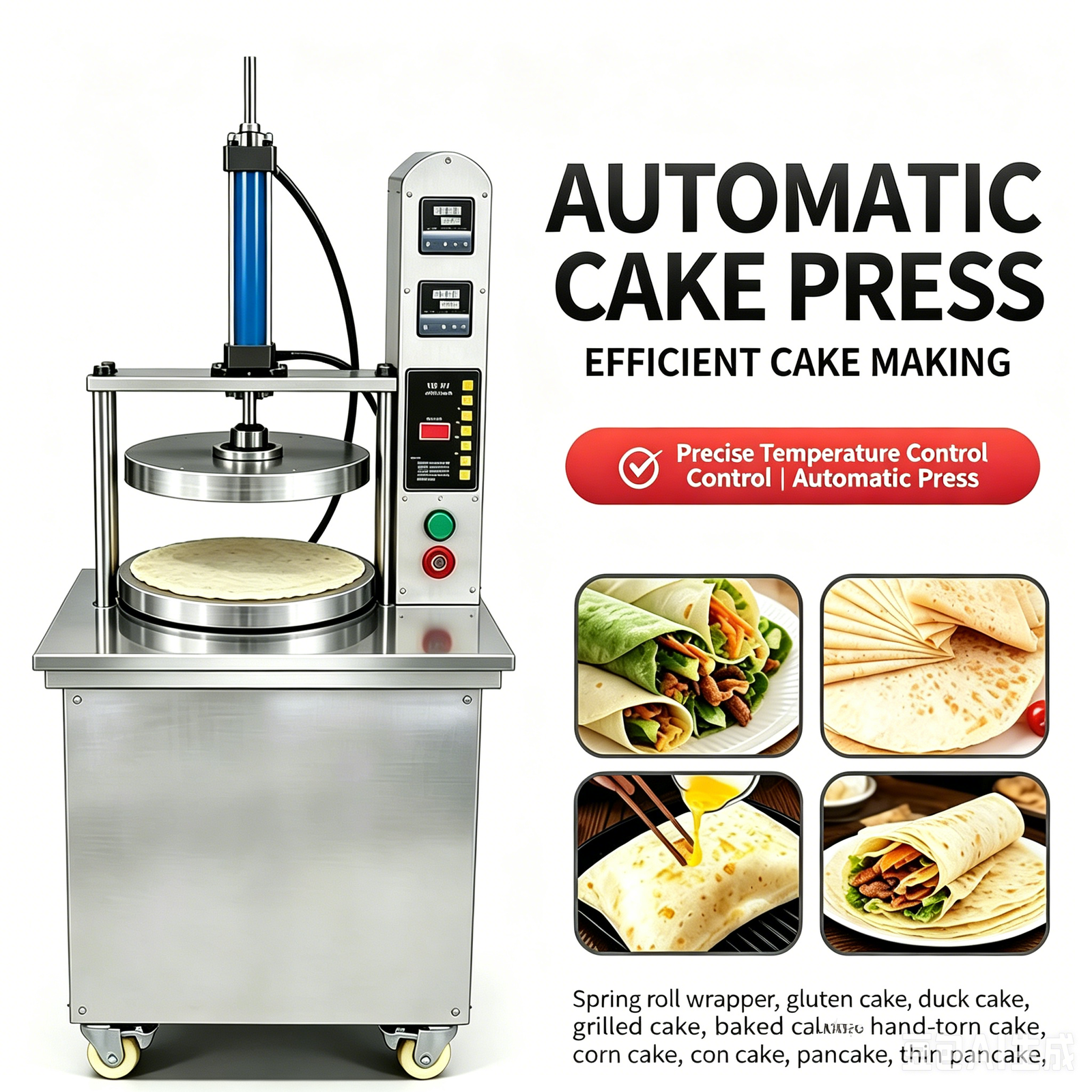
In the field of commercial pasta processing, CNC hydraulic fully automatic commercial pancake presses are gradually replacing traditional manual and semi-automatic equipment with their high efficiency and good consistency. However, many buyers often only focus on production capacity and price when making purchases, neglecting equipment stability and ease of troubleshooting. In fact, understanding common faults in cake presses and how to troubleshoot them can not only help you avoid pitfalls when making your selection, but also significantly reduce future downtime losses. This article will summarize the key points for troubleshooting cake presses from a procurement perspective, combining core aspects such as hydraulic systems, CNC control, molds and forming, and provide references for model selection and budgeting.
1. Why is troubleshooting capability an important consideration when purchasing a cake press?
For restaurant chains, central kitchens, or food processing plants, once equipment is down, the entire production line will be affected. The faults of CNC hydraulic fully automatic commercial cake presses are usually concentrated in four aspects: hydraulic system, CNC control system, mold and forming parts, and insufficient daily maintenance. Ignoring these potential problems during procurement may lead to high repair costs and long waiting times later on. Therefore, during the selection stage, attention should be paid to whether the equipment has fault self-diagnosis functions, whether key components are easy to repair, and whether the supplier provides comprehensive after-sales support. For example, Our Commercial Bake Press Series All are equipped with an intelligent fault alarm system that can quickly locate problems and reduce downtime.
II. Common Faults and Troubleshooting Methods of Hydraulic Systems
The hydraulic system is the "heart" of the cake press, and its stability directly determines production efficiency. Common faults include insufficient pressure, excessively high oil temperature, cylinder creep, or abnormal noise.
- Insufficient pressure: This is usually caused by hydraulic oil contamination, oil pump wear, or relief valve misalignment. It is recommended to check the oil quality regularly (change every 500 hours) and clean or replace the filter element. When purchasing, it should be confirmed whether the equipment is equipped with a pressure gauge and a list of consumable parts.
- Oil temperature too high: It is mostly caused by cooling system failure or continuous overload operation. Check the cooler for blockages and ensure that the working environment is well ventilated. When purchasing, pay attention to whether the equipment has an air or water cooling system.
- Cylinder crawling or abnormal noise: It could be air mixed in the hydraulic oil or a damaged seal. Exhaust and replace seals. It is recommended to choose equipment with well-known brand hydraulic components to reduce the failure rate.
Regular maintenance is the key to prevent hydraulic failure. We recommend checking the oil level every shift and performing a comprehensive hydraulic system inspection every quarter.
III. Key Points of CNC Control System Failures and Parameter Settings
CNC control systems are responsible for precisely controlling the pressure, time, and stroke of the cake press. Their failures often manifest as program errors, unresponsive touchscreens, or inaccurate positioning.
- Program error or alarm: First, check if the input parameters are within the allowable range (e.g., the pressure setting is too high or too low). A factory reset or system restart usually resolves temporary errors.
- Touchscreen unresponsive: Check for loose power and communication cables, and clean the screen or calibrate touch points if necessary.
- Inaccurate positioning: It could be an encoder or servo motor malfunction that requires professional technicians to repair it. When purchasing, select a system with self-diagnostic capabilities and request a complete parameter manual.
To reduce control system failures, it is recommended that operators receive system training and operate strictly according to procedures. Our equipment provides a detailed Chinese operating interface and fault code instructions for quick troubleshooting.
IV. Troubleshooting and Maintenance of Molds and Formed Parts
The mold and forming parts are in direct contact with the dough, which is easy to wear or stick, affecting the quality of the cake blank. Common problems include mold wear, uneven billet thickness, and difficulty in demolding.
- Mold wear: Check the mold surface regularly, and replace it promptly if scratches or deformations appear. Choosing hardened stainless steel molds can extend life.
- Uneven thickness of cake blank: Check the parallelism of the upper and lower molds and adjust the hydraulic pressure or stroke parameters. Ensure that the dough moisture and temperature are stable.
- Difficulty in demolding: Food grade release oil can be sprayed and the mold surface checked for cleanliness. Molds with non-stick coatings are preferred when purchasing.
Daily cleaning and lubrication can significantly reduce mold failures. It is recommended to thoroughly clean the mold after each shift and apply food-grade grease weekly.
V. Procurement Selection Guide: How to choose a cake press with a low failure rate and easy maintenance?
Based on the above fault analysis, the following points should be kept in mind when purchasing a CNC hydraulic fully automatic commercial cake press:
- Brand and configuration: Choosing equipment that uses well-known hydraulic components (such as Rexroth and Youyan) and CNC systems (such as Siemens and Delta) ensures higher reliability.
- Self-diagnosis function: The equipment should have fault code display and alarm recording functions to facilitate rapid problem location.
- After-sales service: Confirm whether the supplier provides installation, commissioning, operation training and timely supply of spare parts. For reference Industry News Understand the service reputation of each brand.
- Budget Reference: Depending on production capacity and configuration, commercial cake presses typically cost between 20,000 and 80,000 RMB. It is recommended that late-stage maintenance costs be included in the total cost of ownership (TCO) assessment.
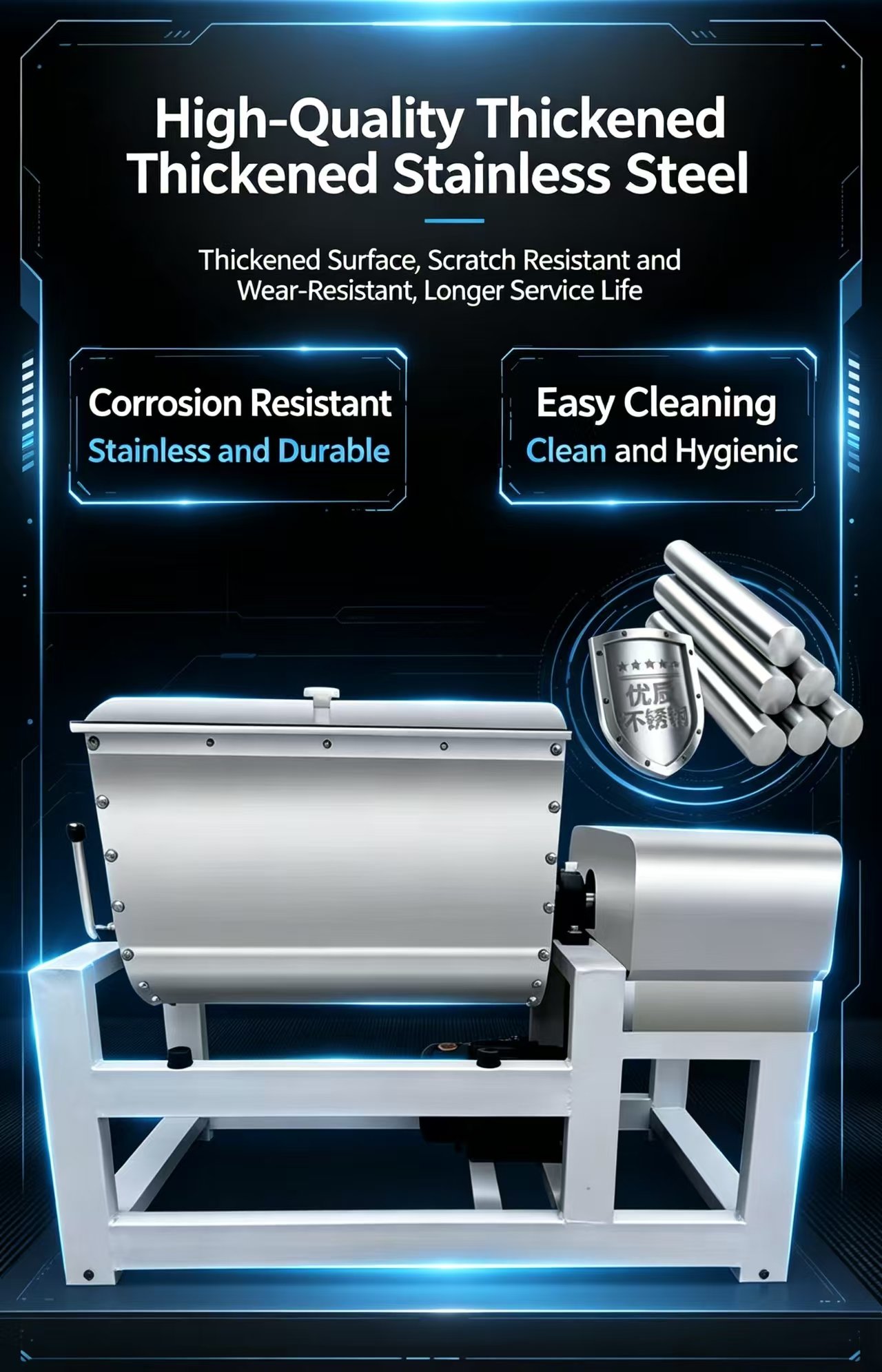
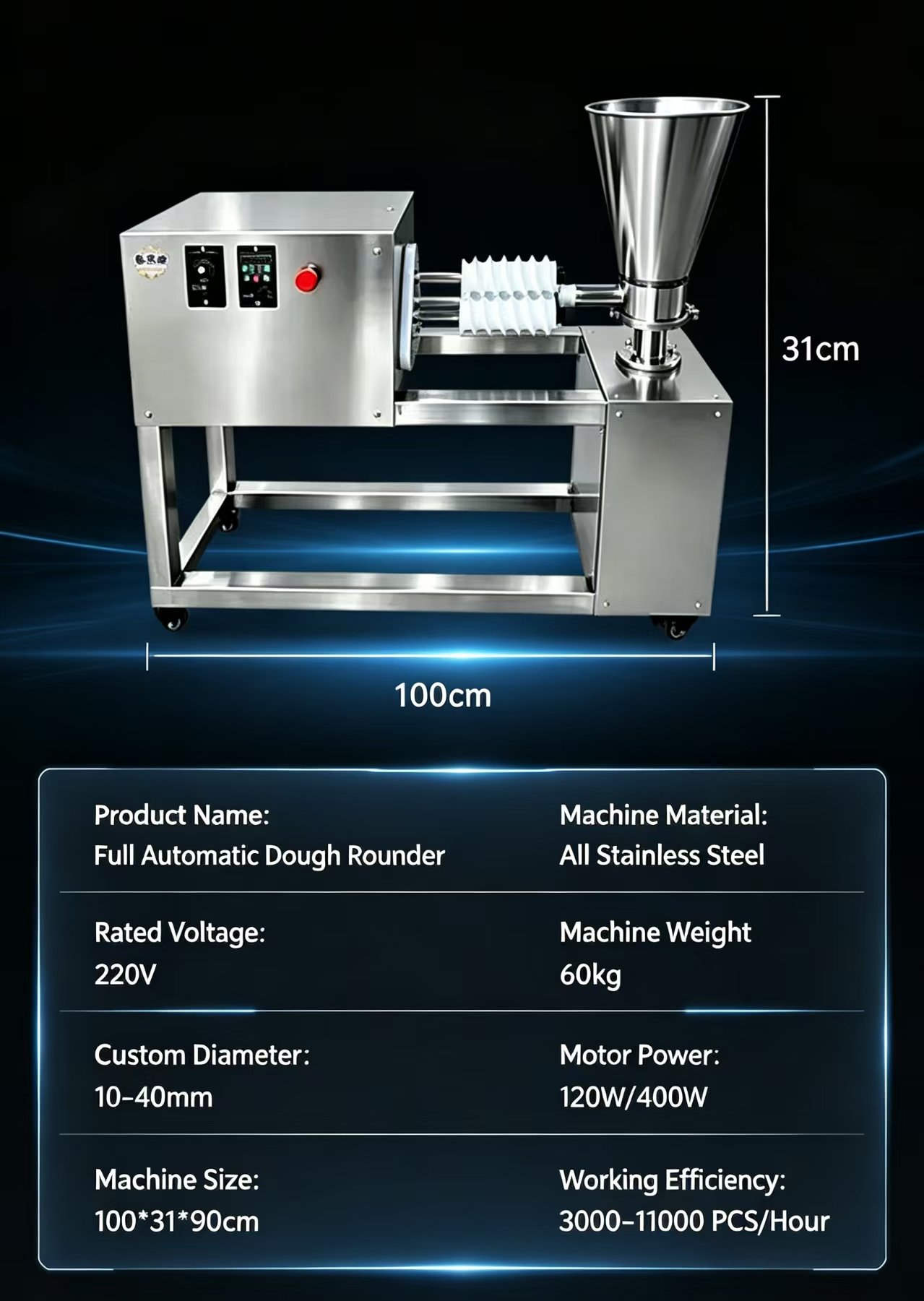
In addition, supporting equipment such as commercial stainless steel kneading machine and Fully automatic dough dividing and quantifying machine The stability of the product will also affect overall production efficiency, so it needs to be taken into account when purchasing.
sum up
The troubleshooting ability of CNC hydraulic fully automatic commercial cake presses is an indispensable part of procurement decisions. By understanding critical fault points such as hydraulic systems, CNC control, and mold maintenance, and selecting reliably configured and well-serviced equipment, you can effectively reduce the risk of downtime and ensure production continuity. Remember, a good cake press is not only a production tool, but also a long-term investment partner.