Food Machinery Purchasing Guide: How to Choose a Highly Efficient and Energy-Saving Production Line
In the food processing industry, the efficiency and energy consumption of production lines directly affect a company's cost control and market competitiveness. With the global emphasis on sustainable development, highly efficient and energy-saving food machinery has become the focus of purchasers. This article will analyze how to choose a production line that suits your needs from three aspects: technical key points, application scenarios, and selection recommendations, helping companies reduce costs and increase efficiency.
Technical Key Points: Core Components and Automation Level
When selecting food machinery, you should first pay attention to its core technical parameters. For example, anelectric motor energy efficiency rating(IE3 or higher) can significantly reduce power consumption, saving 15%-20% on electricity costs over the long term. In addition, the design of theheat exchange systemdirectly affects the energy consumption of drying or sterilization processes. Equipment with waste heat recovery technology can reduce heat energy losses by more than 30%.
The level of automation is also crucial. Equipment equipped with PLC control and a human-machine interface not only enables precise temperature and time control but also optimizes production processes through data collection. For example, ourautomated packaging lineuses servo drives and vision inspection systems, which can improve packaging accuracy to within ±0.5 grams while reducing errors caused by manual intervention.
Application Scenarios: From Raw Material Processing to Finished Product Packaging
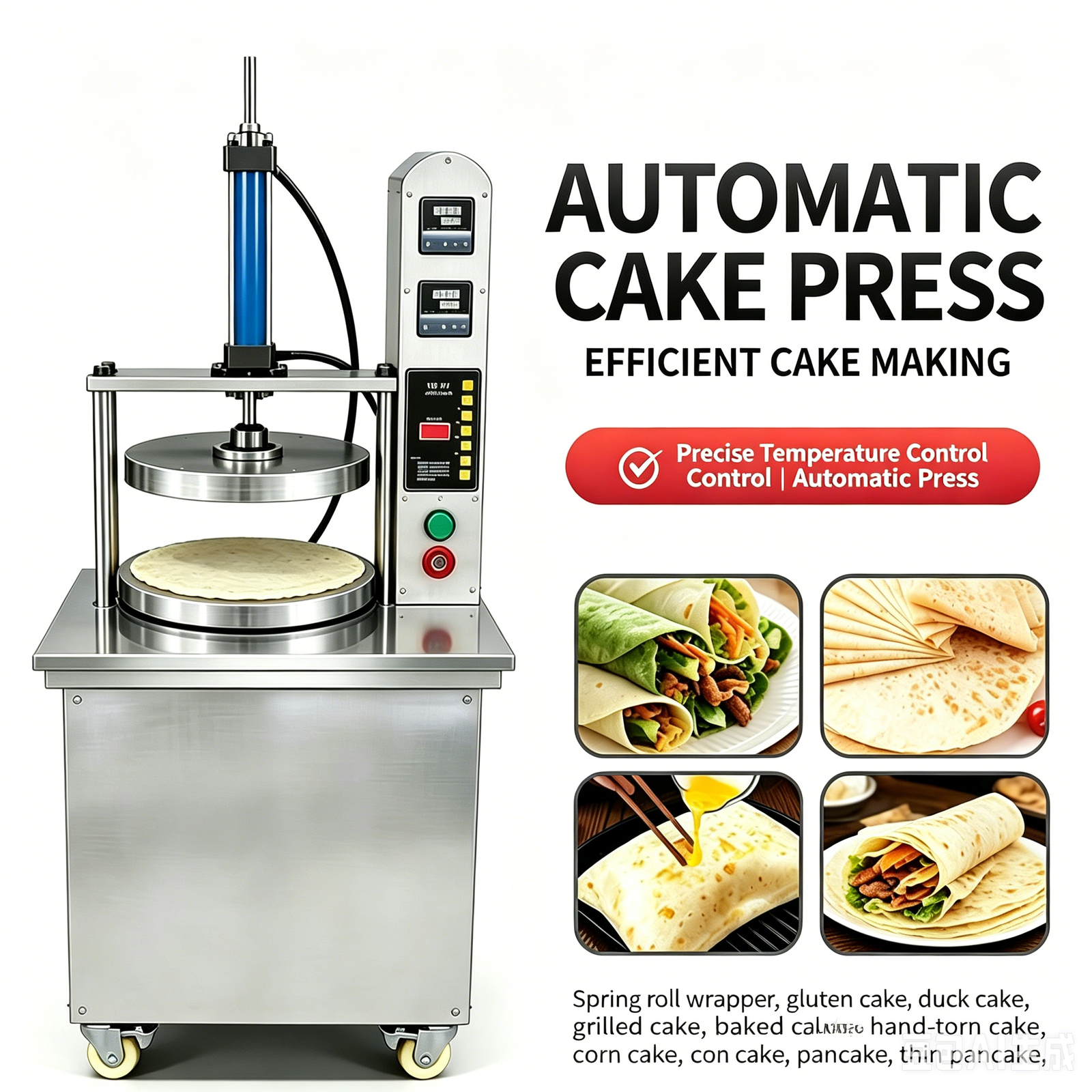
Different food categories have varying requirements for machinery. Taking the baking industry as an example, ensuring the continuity and stability of temperature and humidity in each process from dough mixing and shaping to baking is crucial. Ourcontinuous hot air circulation ovenuses zoning temperature control technology to keep the temperature difference within ±2℃, ensuring even product coloration.
In the field of fruit and vegetable processing, cleaning, peeling, cutting and other processes need to pay attention to hygiene and water-saving design. Equipment with high-pressure spray and circulating water filtration system can save more than 40% of water and reduce sewage discharge at the same time. For meat processing, chopping machines and meat grinders operating in low temperature environments need to have corrosion-resistant materials and rapid cooling functions to ensure food safety.
Selection Suggestions: Matching Capacity and Budget
Before purchasing, it is the top priority to clarify your own capacity requirements. For example, if the daily processing capacity is less than 10 tons, you can choose small and medium-sized equipment with modular design to facilitate flexible expansion; if it exceeds 50 tons, you need to consider a customized large-scale production line and reserve space for automation upgrades. At the same time, evaluate the equipment'scomprehensive operating cost(Including energy consumption, maintenance, and labor), rather than just looking at the initial investment.
It is recommended that the purchaser inspect the equipment operation case on site and request the energy consumption data report. ourtechnical articleIn addition, selecting a supplier that provides localized after-sales services can shorten failure response time and reduce downtime losses.
summarize
Energy-efficient food machinery is an inevitable trend in the development of the industry. By focusing on core components, matching application scenarios, and scientifically evaluating selection indicators, purchasers can build competitive production lines. For more product information, please visit ourProduct CenterOr contact our technical team for customised advice.