From Abbott's $349 million settlement case to see the compliance and safety upgrade of the food machinery industry
In 2022, Abbott in the United States caused an outbreak of Cronobacter infection in infant formula, resulting in the death of two infants. In September 2026, the Department of Justice announced that Abbott reached a civil settlement for $348.70 million. This incident not only shook the food industry, but also sounded the alarm for food machinery manufacturers and purchasers: equipment safety and compliance management are no longer "plus points", but the bottom line of enterprise survival. For B2B food machinery buyers, how to control microbial risks from the source of equipment and meet increasingly stringent regulatory requirements has become the core consideration of selection decisions. This article will explore how food machinery can help enterprises avoid similar risks from the three dimensions of technology, application and selection.
First, defects in food mechanical hygiene design exposed to Cronobacter events
Cronobacter is a pathogen that poses a great threat to infants and young children. It is commonly found in low-moisture foods such as milk powder. Abbott's investigation revealed that contamination may stem from equipment dead ends in the production process, incomplete cleaning or lack of environmental monitoring. In the field of food machinery, such problems are often directly related to equipment design:The pipeline welding is not smooth, the valve has dead ends, and the seals are easy to age and breed bacteriaAnd so on, it will become a hotbed for microorganisms.
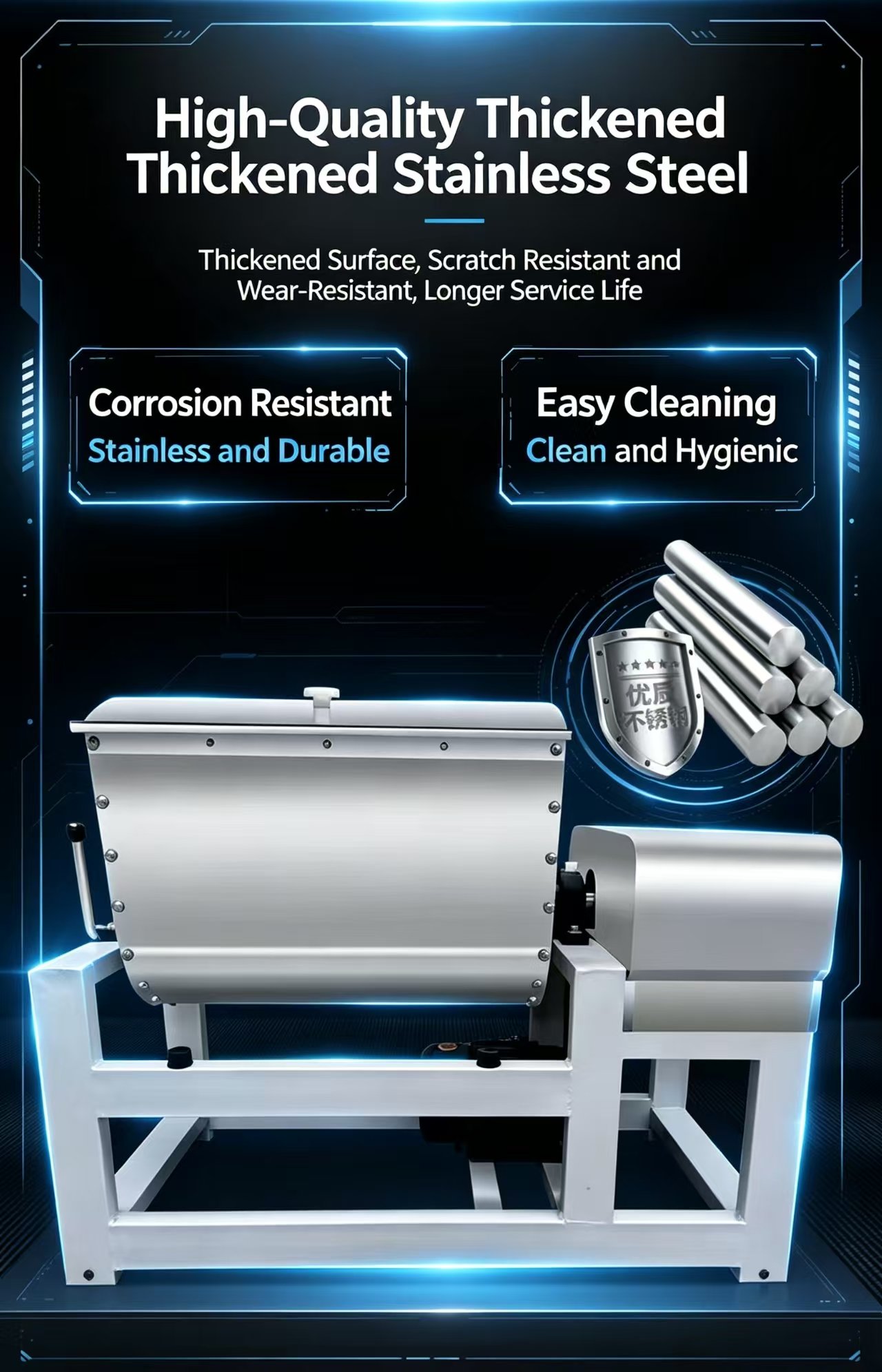
Hygienic design of modern food machinery emphasizes "cleanability". For example, usingSeamless welding technology,Inclined drainage surface,Quick release connection structureIt can significantly reduce material residue and microbial hiding points. For high-risk categories such as milk powder and infant and toddler formula foods, the equipment also needs to supporton-line cleaning (CIP) and on-line sterilization (SIP), and ensure that the cleaning solution can cover all contact surfaces. When evaluating equipment, purchasers should require suppliers to provide hygienic design verification reports and pay attention to whether the equipment meets international standards such as EHEDG (European Hygienic Engineering and Design Group) or 3-A Sanitary Standards.
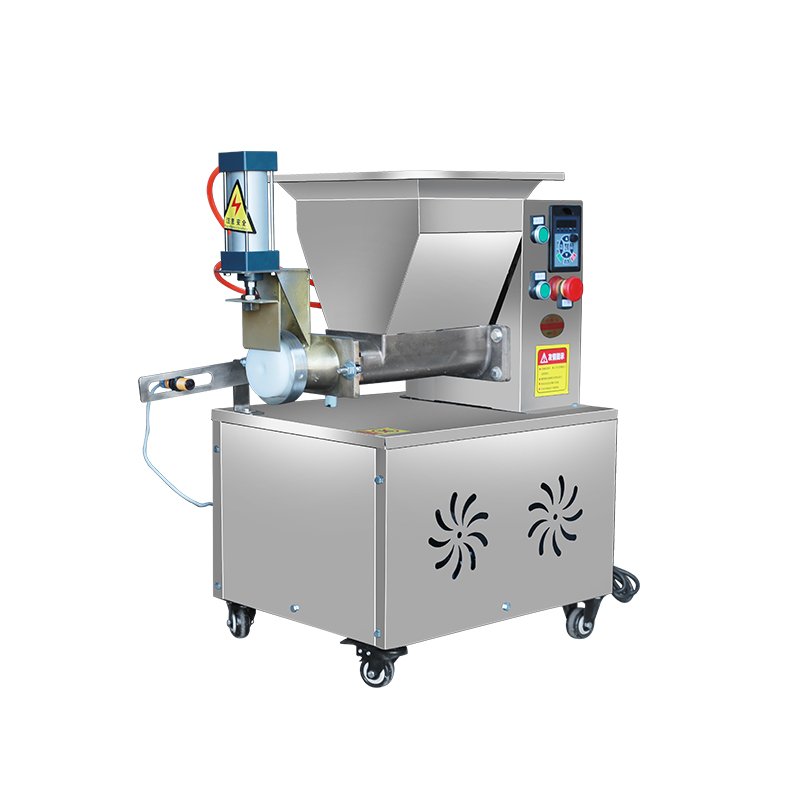
In addition, environmental monitoring equipment should not be overlooked.Our product centeroffers a variety of mixing and conveying equipment with microbial sampling interfaces, which can help enterprises monitor environmental cleanliness in real time during the production process and reduce the risk of pollution from the source.
II. Compliance Upgrade: How Food Machinery Meets New Regulations from FDA to FSMA
Behind Abbott's settlement is the US FDA's comprehensive tightening of supervision over infant formula milk powder production. According to the Food Safety Modernization Act (FSMA), food enterprises must implement preventive control measures, includinghazard analysis, hygiene control, supply chain procedures, etc. For food machinery, this means that the equipment should not only be "easy to use", but also be able toprovide data traceability, record cleaning parameters, and support verification activities.
Specifically, modern food machinery should have the following compliance features:
- Data recording and traceability function: The equipment can automatically record key parameters such as temperature, pressure, and cleaning time, and support the export of audit traceability reports.
- Validation interface: Reserve a third-party validation interface to facilitate enterprises in conducting microbial challenge tests and cleaning verification.
- Material complianceAll components that come into contact with food must be made of FDA-certified food-grade stainless steel (such as 316L), and non-metallic components must comply with FDA 21 CFR 177 provisions.
- Maintenance-friendly design: The modular structure facilitates quick replacement of wear parts, reduces downtime, and prevents secondary contamination during maintenance.
When selecting a supplier, purchasers should prioritize those who can provide acomplete compliance package, including material certificates, surface roughness reports, cleaning validation guidelines, etc. We recently shared a list of FSMA-compliant equipment in ourindustry newsfor reference.
III. Selection recommendations: Checklist for purchasing high-risk food machinery
Based on the lessons learned from the Abbott incident, B2B purchasers are advised to follow the following checklist when selecting processing equipment for high-risk products such as infant formula, baby and toddler foods, and health care powder products:
- Hygiene grade: Does it meet the design standards for "hygienic grade" or "aseptic grade"? Does it provide EHEDG or 3-A certification?
- Cleaning validation: Does the equipment support CIP/SIP? Has the cleaning coverage been validated? Does it offer cleaning parameter optimization services?
- Material and surface: Is the contact surface roughness Ra ≤ 0.8 μm? Are the welds continuous and free from indentations?
- Monitoring and traceability: Are sensors and data loggers installed? Can it interface with MES/ERP systems?
- Supplier services: Does it provide support for installation qualification (IQ), operational qualification (OQ), and performance qualification (PQ)? Does it have a localized service team?
It is worth emphasizing that the price of equipment should not be the only decision-making factor. Abbott's $349 million settlement reminds us that the cost of a single contamination incident far exceeds the cost of purchasing equipment. Choosing a supplier with hygienic design capabilities and compliance experience is the guarantee of long-term safety.
summary
Abbott's Cronobacter case ended with a $348.70 million settlement, but its warning to the food industry is far from over. For food machinery buyers, it means thatHygienic design, compliance verification and data traceabilityInclude the core indicators of equipment selection. Only by controlling risks from the source of equipment can we avoid repeating the same mistakes. If you are looking for food machinery that meets international hygiene standards, welcomeBrowse our product rangeOr contact our technical team for a customized compliance solution.