How can food machinery purchasers seize the window of opportunity to optimize their supply chains as the U.S.-China trade truce is extended?
Recently, the American Soybean Association (ASA) welcomed the extension of the U.S.-China trade truce, a signal that has brought rare stable expectations for the global agricultural and food processing industries. For food machinery purchasers, the easing of the trade environment not only means that the volatility of raw material costs has slowed down, but also directly affects equipment import and export tariffs, cross-border logistics efficiency, and long-term investment decisions. However, the window of opportunity is fleeting. How to use this precious time to optimize supply chains and upgrade production lines has become the core issue for B2B purchasing decision-makers. This article will provide food machinery purchasers with actionable guidance from three perspectives: technological trends, application scenarios, and selection strategies.
I. Three direct impacts of the extended U.S.-China trade truce on food machinery purchases
First, the extension of the U.S.-China trade truce reduces the uncertainty of tariffs on food machinery imports and exports. In the past few years, some U.S.-made food processing equipment (such as high-precision slicers and vacuum mixers) was subject to additional tariffs, resulting in an increase of 15%-25% in purchasing costs. After the extension of the truce, these additional costs are temporarily frozen, allowing purchasers to reassess the quotes from U.S. suppliers or use them as a bargaining chip in negotiations with European and Japanese suppliers.
Second, the efficiency of cross-border logistics and customs clearance is expected to improve. During the trade friction, customs inspection rates have increased, and the delivery cycle of some food machinery parts (such as servo motors and food-grade conveyor belts) has been extended from 30 days to more than 60 days. After the truce is extended, logistics timeliness is expected to return to about 90% of normal levels, which is crucial for food companies that need to rapidly expand production or replace outdated equipment.
Third, technical cooperation and after-sales support are picking up. Many US food machinery brands have technical service centers in China. During the period of trade tensions, the approval of original engineers' visas has become stricter, resulting in slower equipment commissioning and maintenance responses. The extension of the truce helps to restore normal technical support, and buyers can request clearer after-sales response terms when signing contracts.
Second, food machinery selection: how to use the window period to achieve production line upgrades?
The trade environment easing period is a golden window for production line upgrades. Buyers should prioritize the following three types of equipment:
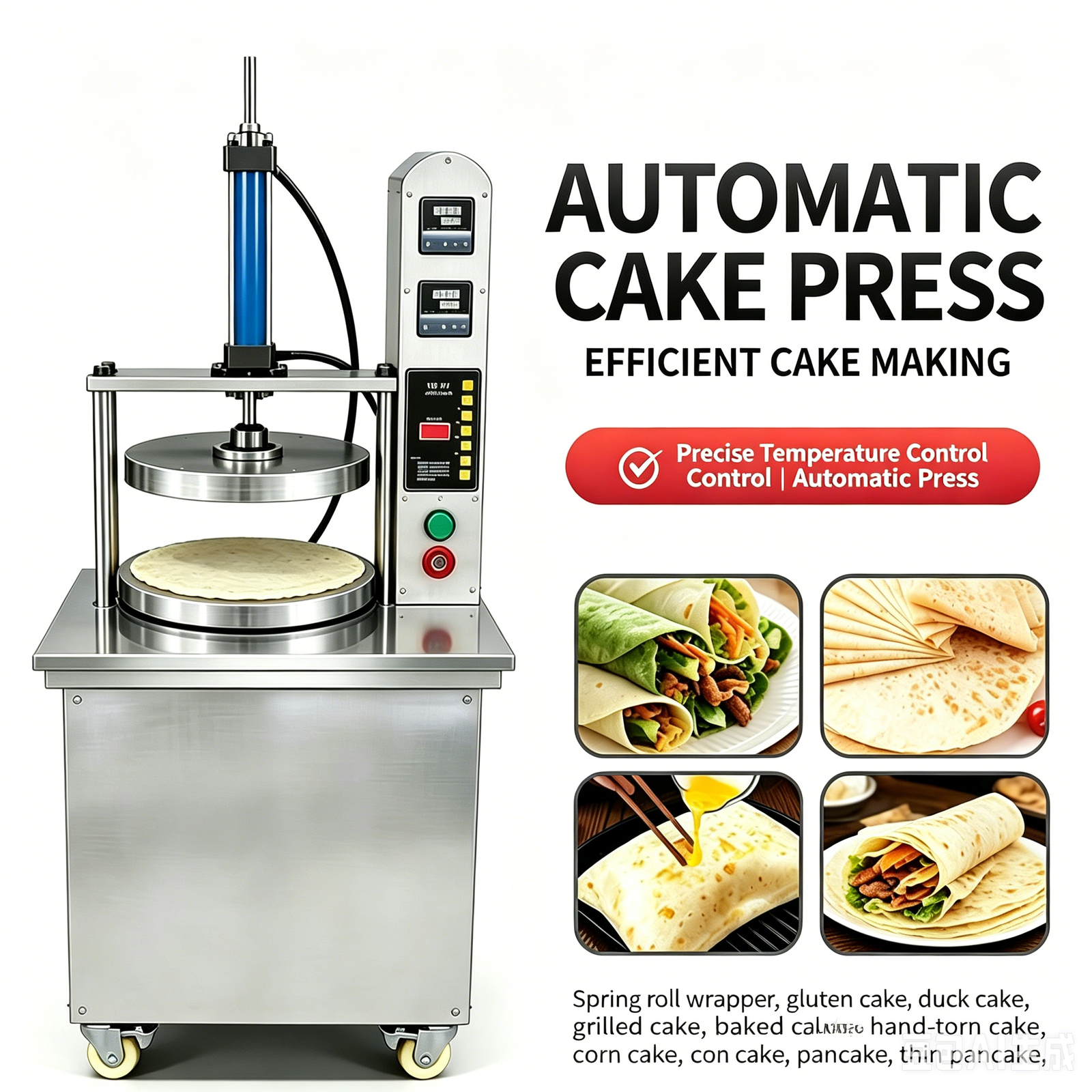
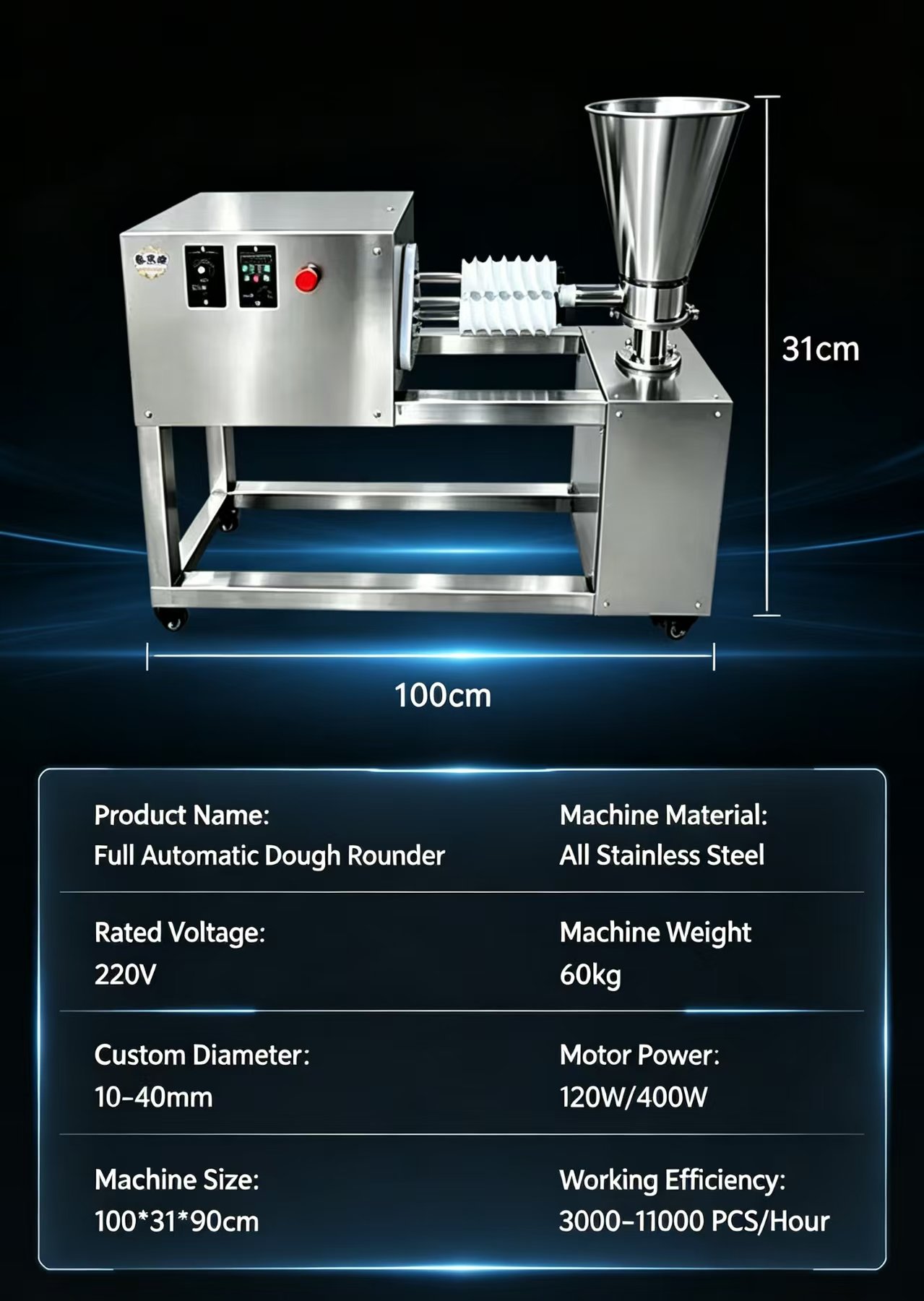
- Highly automated processing equipmentSuch as fully automatic filling machines and robotic palletizing systems. This type of equipment can reduce the reliance on manual labor while improving product consistency. Taking the baking industry as an example, fully automatic dough partitioning machines can increase production efficiency by more than 30% and reduce material waste.
- Energy-saving sterilization and drying equipmentEnergy prices are expected to stabilize following the extension of the trade truce, but energy-efficient equipment remains key to reducing operating costs in the long run. For example, dryers using heat pump technology are 40% -60% more energy efficient than traditional electric heating models.
- Packaging machinery with modular design: Modular equipment is easy to expand and transform later, and can adapt to multi-category production needs. Buyers can refer toProduct CenterThe modular packaging solution in China can be flexibly configured according to its own production capacity.
When selecting a model, it is recommended that buyers require suppliers to provide a full life cycle cost (LCC) analysis, not just an initial quotation. This includes energy consumption, maintenance frequency, spare parts prices and estimated downtime. The cost stabilization period brought about by the extension of the trade truce is just right for fine accounting of these long-term indicators.
III. Supply chain optimization: from single procurement to multi-source layout
Despite the benefits of an extension of the trade truce, purchasers should not rely solely on the single market for supply chain security. It is recommended to adopt a "China + 1" or "multi-source sourcing" strategy:
- Core Component Dual Source CertificationFor critical components (e.g. food-grade pumps, PLC controllers), both Chinese and European/Japanese suppliers are certified to ensure quick switching in the event of any source interruption.
- Regionalized warehousingSet up a spare parts warehouse near the main sales market to shorten the delivery time of commonly used wearing parts to within 48 hours. During the trade truce period, the logistics cost is relatively controllable, which is the opportunity to lay out regional warehouses.
- Flexibility of contract termsAdd a tariff fluctuation sharing clause to the procurement contract, stipulating that if the tariff is adjusted again in the future, the two parties will share the new cost proportionally. This can effectively reduce policy risks.
For more practical examples of supply chain risk management, please refer toIndustry informationThematic analysis in.
IV. Technical Points: Validation of Key Parameters in Food Machinery Procurement
No matter how the trade environment changes, the technical performance of the equipment itself is always at the heart of purchasing decisions. Here are three often overlooked but crucial verification points:
- Material complianceComponents that come into contact with food must comply with FDA or EU 1935/2004 standards. Purchasers should require suppliers to provide material certification and migration test reports, especially for plastic seals and coatings.
- Cleaning efficiency (CIP/SIP): For dairy, beverage and condiment production lines, whether the equipment supports online cleaning (CIP) and online sterilization (SIP) directly affects the production replacement time and microbial control level. It is recommended to verify the cleaning coverage on site, and there are no dead ends.
- Capacity redundancy design: The nominal capacity is usually based on ideal conditions, and the actual operation may decrease by 10% -20% due to factors such as material characteristics, environmental temperature and humidity. When purchasing, the supplier should be required to provide test data based on real materials and reserve more than 15% of the capacity margin.
If you need to know the technical parameters and test standards of specific equipment, you can visitproduct pageObtain detailed specifications.
Summary: Window Action Checklist
The extension of the Sino-US trade truce provides a rare period of stability for food machinery purchasers. It is recommended to take the following actions immediately: First, re-evaluate the quotations and delivery dates of US suppliers, and negotiate prices with existing suppliers; Second, start production line upgrade projects for key equipment, giving priority to automation and energy-saving models; Third, establish multi-source supply chains and regional spare parts warehouses to reduce policy risks; Fourth, strictly verify the technical compliance and actual production capacity of equipment. The window period will not be open forever, and purchasers who lay out in advance will take the initiative in the next round of fluctuations.