The Hygienic Design of Food Machinery in Light of Cyclospora Outbreaks: Five Key Points Purchasers Must Pay Attention To
Recently, the U.S. CDC reported an outbreak involving nearly 20,000 laboratory-confirmed Cyclospora infections, with more than 6,000 suspected cases under investigation. Cyclospora is a parasite transmitted through contaminated food or water, often associated with fresh produce (such as cilantro, raspberries, lettuce, etc.). For food processing companies, such outbreaks not only mean recall risks and brand reputation losses, but also expose weaknesses in hygienic design during production. As a food machinery purchaser, are the equipment you choose easy to clean thoroughly? Can they reduce microbial hiding at the source? This article will analyze the core requirements for the hygienic design of food machinery based on the transmission characteristics of Cyclospora and provide practical selection advice.
The Implications of Cyclospora's Transmission Characteristics for Food Machinery
Cyclospora exists in the form of oocysts, is highly resistant to environmental disinfectants (such as chlorine), and is extremely small (about 8-10 micrometers), easily adhering to areas such as equipment crevices, sealing rings, and conveyor belt joints. Unlike bacteria, parasites cannot reproduce on the surface of food machinery, but once a biofilm forms or they embed themselves into microscopic scratches, routine cleaning often fails to completely remove them. Therefore, the hygienic design of food machinery must follow the principle of "prioritizing cleanability":All surfaces in contact with food should be smooth and non-porous, avoiding dead ends, exposed bolts, and overlapping structures.For example, if the blade of the cutting machine is fixed with a quick-release buckle instead of a threaded connection, the risk of dirt can be reduced; the conveyor belt should be made of a seamless one-piece material rather than a spliced one
In addition, the epidemic of Cyclospora is often related to the pollution of cleaning water. If the residual moisture inside the equipment cannot be drained, it may become a secondary source of pollution. It is recommended that the equipment be equipped withSelf-drainage designThat is, all pipes and tanks can be automatically emptied after shutdown, and the inclination angle is not less than 3 degrees.
Key Hygienic Design Features: From Materials to Structures
For parasite contamination, food machinery should meet the following technical requirements:
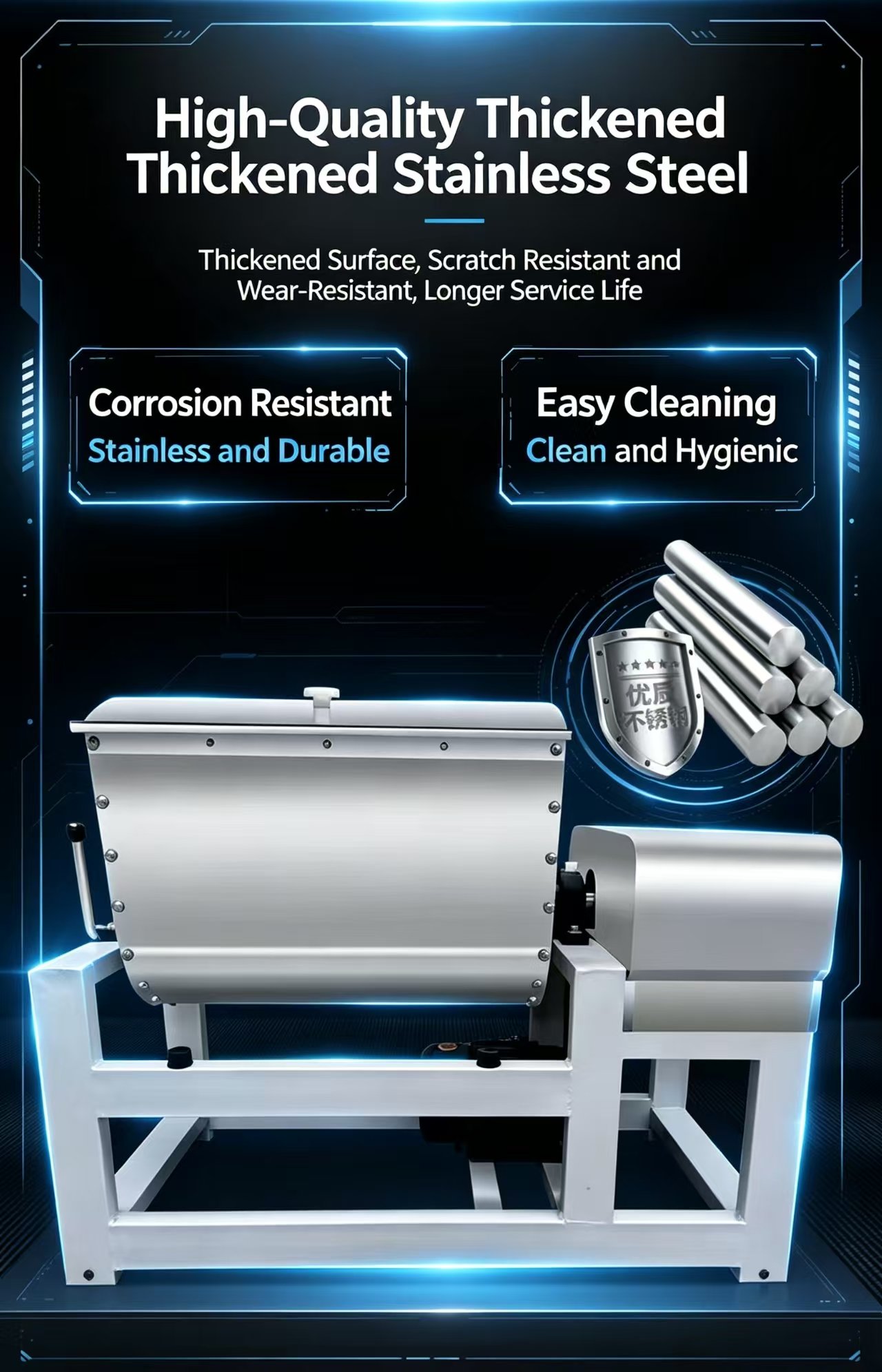
- Material selection316L stainless steel is preferred for food contact surfaces, with corrosion resistance and surface roughness Ra ≤ 0.8μm. Avoid using aluminum or ordinary carbon steel parts, as they are prone to oxidation layers and micro-cracks.
- sealUse FDA compliant silicone or EPDM seals and are designed to be removable and replaceable. The seal slot should be open for visual inspection.
- Welding and joining: Continuous full welding, the weld is polished to be flush with the base metal without depressions or pores. Food-grade gaskets are used at flange joints, and caps should be installed on bolts.
- cleaning verification: The equipment should support CIP (in-situ cleaning) or COP (disassembly and washing), and reserve the interface for cleaning liquid flow rate and temperature monitoring. For high-risk areas such as cutting and stirring, it is recommended to configure an ultrasonic cleaning module.
Take our companyFruit and vegetable cleaning lineAs an example, it adopts a multi-stage bubbling + high-pressure spray structure, and with a removable mesh belt, it can effectively remove the oocysts attached to the surface of leafy vegetables. At the same time, the tilt design of the whole machine ensures complete drainage and avoids water accumulation.
Application scenarios: Which food processing processes require the most vigilance?
Cyclospora epidemics are mostly related to fresh agricultural products, so the selection of equipment in the following links needs to be particularly strict:
- Pretreatment section: Cleaning, grading, cutting equipment. It is recommended to choose a system with a brush roller or a high-pressure water jet to avoid the use of sponges or fabric materials.
- Packing sectionThe sealing area of a vacuum packaging machine or a modified atmosphere packaging machine is prone to residual juice, and a stainless steel cavity should be selected with an automatic cleaning program.
- conveyor systemConveyor belts should avoid fabric cores, use modular plastic chain plates or food-grade PU belts, and use large radius designs at turns to reduce debris accumulation.
For companies exporting to European and American markets, it is also necessary to pay attention to FDA's FSMA regulations and EU's EC 852/2004 requirements. When purchasing equipment, suppliers can be required to provideHygienic Design Certification(Such as EHEDG or 3-A certification), which significantly reduces compliance risk. For more industry compliance explanations, please refer to ourNews Center...
Selection Suggestions: How does the purchaser evaluate the hygiene level of the equipment?
Faced with the uneven food machinery market, purchasers can make quantitative assessments from the following five dimensions:
- Surface roughness detectionThe supplier is required to provide a report on the Ra value of the critical contact surface, with an ideal value of less than or equal to 0.8 μm.
- Disassembly time testFor components that require daily disassembly and washing, a single disassembly should be completed within 2 minutes without the need for special tools.
- drainage testAfter filling the water on site, let it stand for 10 minutes to observe whether there is any water accumulation area (the residual water volume should be less than 0.1% of the total volume).
- Microbial Challenge TestThe supplier may be required to provide a third-party cleaning verification report, tested with a cyclosporidium-like size substitute (e.g. Bacillus subtilis spores), with a log reduction of ≥ 4.
- Generality of spare parts: Vulnerable parts such as sealing rings and nozzles should be standardized to avoid downtime due to waiting for imported spare parts.
Provided by our companyFood machinery seriesAll have been verified above, and the cleaning program can be customized according to the characteristics of the customer's product. For example, for leafy vegetables such as coriander and basil, we recommend adding an ozone water spray module to further inactivate the egg sac.
Summary: Hygienic design is the first line of defense for food safety
The Cyclosporidium epidemic reminds us once again that the hygienic performance of food machinery is directly related to the safety of end point products. Buyers should not only focus on capacity and price, but also need to focus on cleanability, material compliance and verification data as the core decision-making basis. By choosing equipment with hygienic design certification, easy to disassemble and wash, and thorough drainage, companies can reduce the risk of contamination such as parasites and bacteria at the source, while meeting increasingly stringent regulatory requirements. It is recommended to conduct on-site cleaning tests before purchasing, and request complete material and verification documents. Only by integrating hygiene concepts into the whole life cycle of equipment can a truly reliable food safety system be built.