The Upgrading of Hygienic Design of Food Machinery in Light of the Cyclospora Outbreak from Iceberg Lettuce
Recently, the United States Centers for Disease Control and Prevention (CDC) announced that the Cyclospora outbreak associated with iceberg lettuce has ended, but the FDA's investigation into the cultivation and processing links of Taylor Farms in Mexico is still ongoing. This incident once again sounded an alarm for the food processing industry: even if the outbreak subsides, design flaws in processing equipment may still become a hotbed for pathogen transmission. For food machinery purchasers, how to reduce the risk of microbial contamination from the source through equipment selection and hygienic design has become a core issue in supply chain safety.
Review of the Outbreak: Potential Risk Points in the Processing Link
Cyclospora is a parasitic protozoan that is often transmitted through contaminated fresh produce. Iceberg lettuce may come into contact with contaminants during cultivation, harvesting, washing, cutting, and packaging. The FDA's investigation focuses on the cultivation and processing operations in Mexico, suggesting that there may be loopholes in processing water, equipment cleanliness, and cross-contamination control. For food machinery, the following links are particularly critical:
- Wash equipment: If the nozzle layout is unreasonable or the water circulation system is not equipped with effective filtration, pathogens may spread through water mist or repeatedly contaminate products.
- Cutting and conveying: Knives and conveyor belt gaps are prone to residual organic matter, forming biofilms that are difficult to completely remove with routine rinsing.
- Drying and packaging: If condensed water accumulates in the dead corners of centrifugal dehydrators or in the discharge ports of packaging machines, it may breed microorganisms.
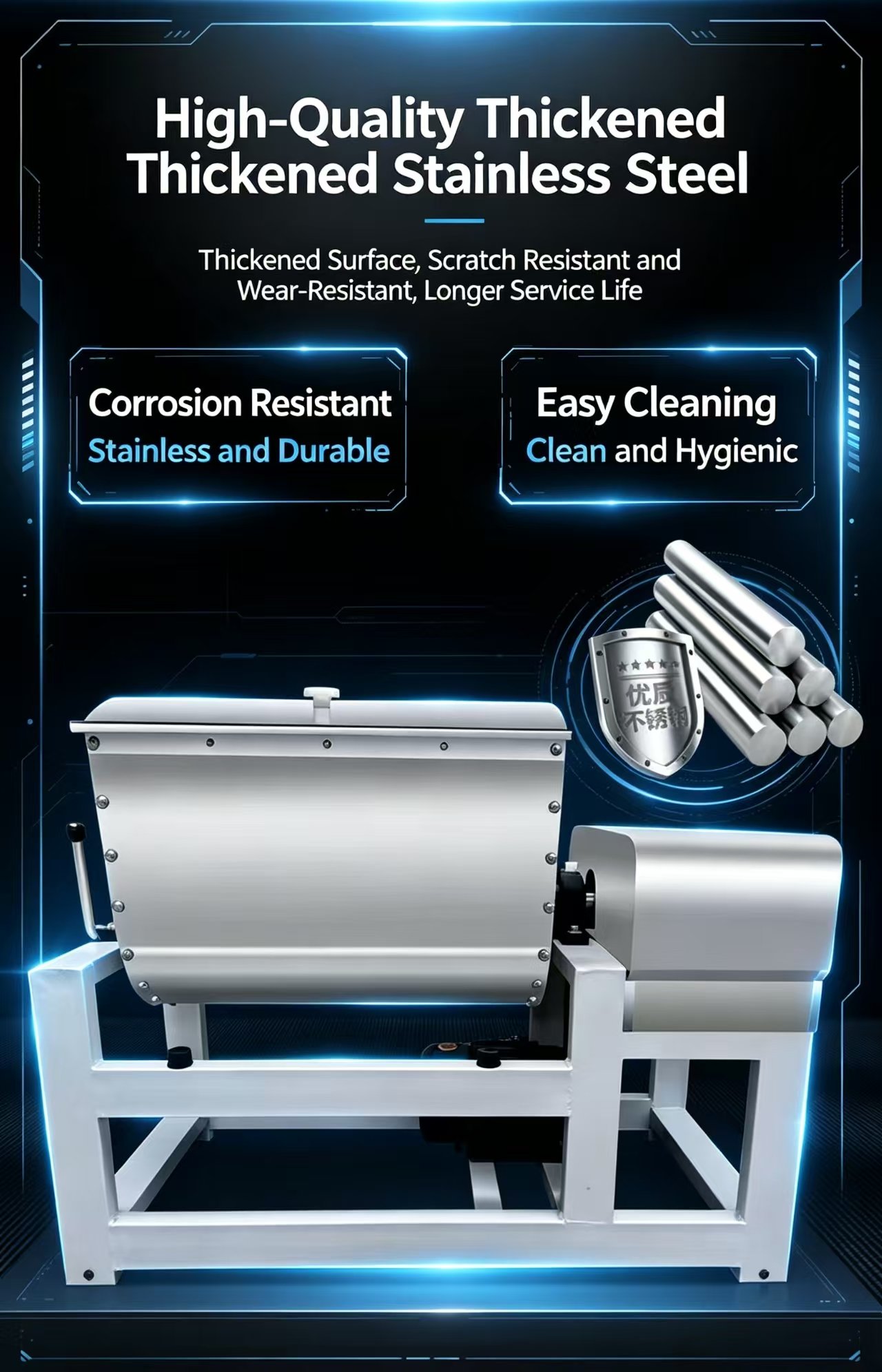
These risk points directly point to the level of hygienic design of food machinery. Purchasers should pay particular attention to whether the equipment adoptsSanitary stainless steel (e.g. 304/316L)Is it available?Removable cleaning structureandDrainage slope and no dead angle design...
Key technical points of hygienic design
To address microbial challenges like Cyclospora, modern food machinery needs to meet the following technical standards:
- Surface finish:The surface roughness Ra in contact with food should be less than or equal to 0.8 μm to reduce microbial adhesion. The welding should be polished to avoid cracks.
- Cleanability:Equipment should support in-situ cleaning (CIP) or quick disassembly to reduce manual intervention. For example, the cutter set of a cutting machine should be removable without tools, and the conveyor belt should be able to be quickly tensioned and released.
- Fluid control:The cleaning water system should be equipped with a self-cleaning filter (e.g. more than 100 mesh), and turbidity should be monitored regularly. Wastewater discharge needs to be completely separated from the product stream to prevent backflow contamination.
- Material compliance:Seals must be made of FDA-certified food-grade rubber or silicone with a temperature resistance range of at least -20 ° C to 120 ° C to accommodate hot water disinfection.
Take our companyCleaning and cutting equipmentFor example, its modular design allows all contact surfaces to be quickly inspected and cleaned, effectively reducing the risk of biofilm formation.
Application scenarios: from lettuce processing to multi-category vegetables
Iceberg lettuce is not an isolated epidemic. Leafy vegetables such as spinach, basil, and cilantro are also susceptible to Cyclospora or Salmonella contamination. Therefore, hygienic design needs to cover a variety of processing scenarios:
- Fresh cut vegetable line:Cleaning → cutting → disinfection → dehydration → packaging. Equipment should be resistant to 50-100 ppm chlorine disinfectants without corrosion.
- Ready-to-eat salad processing:The requirements for cross-contamination control are extremely high, and it is recommended to use physically isolated equipment in different areas and install an air purification system.
- Pretreatment of frozen vegetables:After blanching, the cooling water needs to be kept flowing and filtered to avoid the accumulation of pathogens in the cooling tank.
The purchaser shall require the supplier to provide equipment in similar scenariosMicrobial Challenge Test ReportVerify the effectiveness of cleaning, for example, by inoculating non-pathogenic substitute bacteria.
Selection Suggestions: Building an Anti-Pollution Equipment Matrix
Based on the lessons of the epidemic, it is recommended that food companies adopt the following strategies when selecting equipment:
- Preference is given to equipment with hygienic design certification.Such as 3-A Sanitary Standards and EHEDG certification, these standards have clear quantitative requirements for dead ends, drainage, and materials.
- Evaluate the cleaning validation scheme:Supplier shall provide ATP fluorescence detection or microbial sampling instructions to ensure that cleaning procedures are verifiable. For example, surface ATP readings should be < 150 RLU after cleaning.
- Consider redundancy and isolation designs.For high-risk links (such as after cutting), it is recommended to use a dual-line design, which can be switched when one line is contaminated to avoid the shutdown of the entire line.
- Pay attention to the data traceability function:Modern equipment can integrate sensors such as temperature, pressure, and cleaning time, allowing data to be retained for at least 90 days for easy traceability.
For more industry insights on equipment hygiene design, please refer to our companyNews CenterThe technical articles.
summary
The CDC announced the end of the iceberg lettuce outbreak, but the FDA's investigation still reminds us that the hygienic design of food processing equipment is the first line of defense against microbial contamination. Purchasers should strictly screen equipment from three dimensions: materials, structure, and cleaning validation, and establish a risk-based maintenance plan. Only by integrating hygiene concepts into the entire life cycle of equipment can we effectively respond to emerging threats such as Cyclospora and ensure the safety of the supply chain.