Recently, the IRS released a guidance document on the 45Z clean fuel tax credit, which is not only a policy vane for the energy industry, but also reflects the urgent need for green production and low-carbon transformation in the global manufacturing industry. For food machinery buyers, behind the policy lies new opportunities for equipment energy efficiency upgrades, raw material utilization improvement and carbon footprint management. This article will start from the policy inspiration, combined with the actual pain points of food processing lines, to sort out the key dimensions of equipment selection and upgrade for you.
Policy-driven low-carbonization pathways for food processing
The core of the 45Z clause is to encourage the use of low-carbon raw materials and efficient processes through tax credits. Similarly, the food industry is facing pressure for carbon disclosure from end point brands and retail channels. For example, large European supermarkets have required suppliers to provide data on carbon emissions per kilogram of product. This means that food processing companies need to systematically reduce energy consumption and losses from raw material cleaning, heat treatment to packaging. Energy-efficient dryers, heat pump enrichment equipment and waste heat recovery systems are becoming the first choice for production line upgrades. When purchasing, it is recommended to pay attention to whether the equipment has variable frequency drive, intelligent temperature control and energy monitoring interfaces, which can achieve 10% -30% energy consumption savings.
Technological innovation of raw material utilization rate and clean label
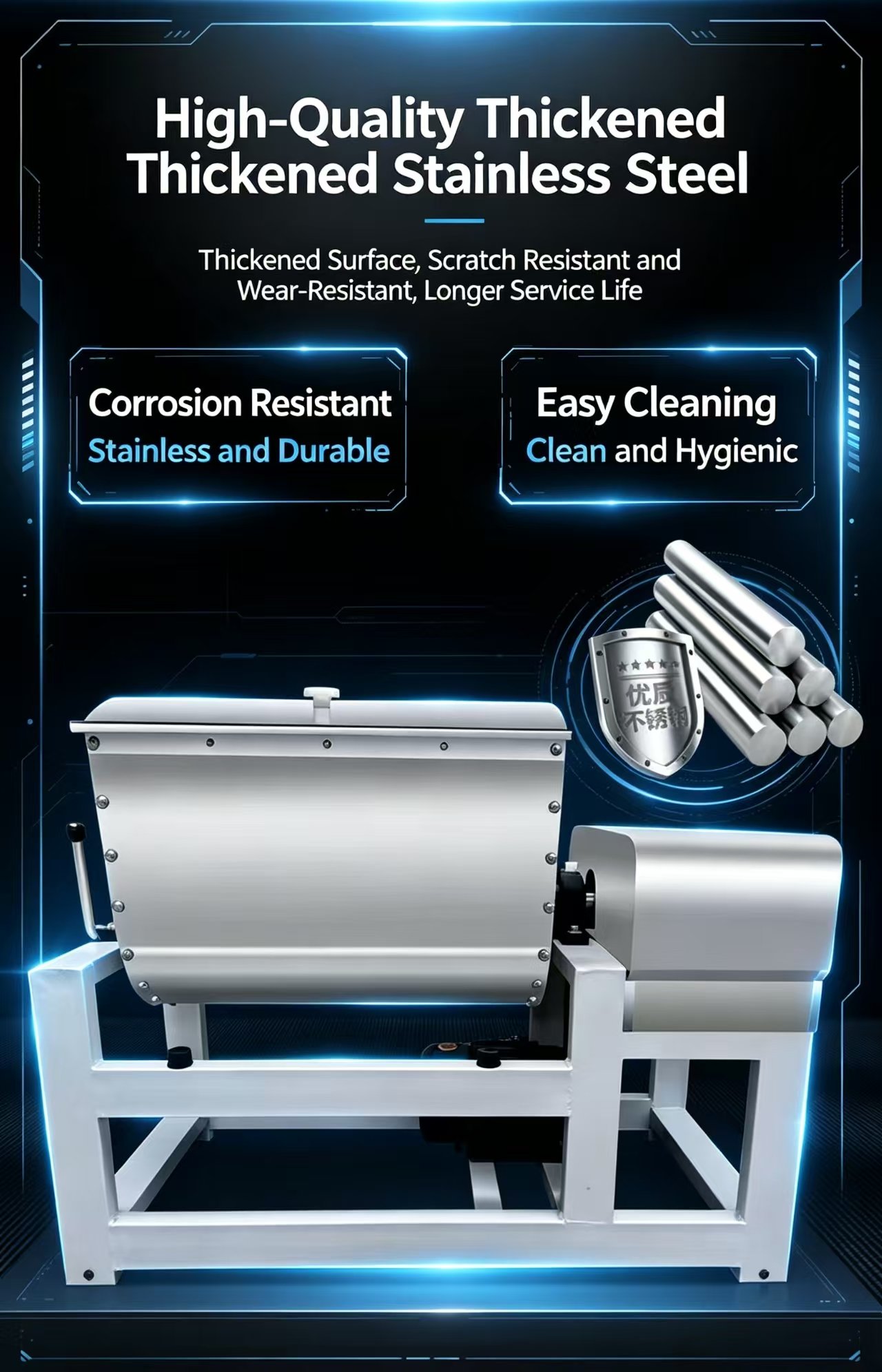
Clean fuel production emphasizes the utilization of all biomass components, while food processing also pursues "eating dry and squeezing clean". For example, in fruit and vegetable processing, the pectin and dietary fiber rich in skin residue can be extracted as high-value-added ingredients. The use of low-temperature pressing, enzymolysis-assisted extraction, and membrane concentration technologies not only improves the yield, but also reduces the cost of wastewater and waste residue treatment. For meat and dairy enterprises, high-precision slitting and continuous sterilization equipment can reduce protein denaturation and retain more functional characteristics. When selecting equipment, be sure to check the corrosion resistance of materials (such as 316L stainless steel), CIP cleaning coverage, and automated control accuracy to ensure product batch consistency and microbial safety.
Flexible production and digital operation and maintenance: responding to multi-variety and small batch orders
The emerging biofuel supply chain under policy incentives emphasizes flexible deployment of raw materials, while the food industry is also facing the challenge of customizing orders in small batches and multi-flavors. The modular design of the conveying, mixing and filling system can complete the variety switch within 30 minutes, reducing the shutdown loss. At the same time, the predictive maintenance system based on the Internet of Things can prevent unplanned shutdowns by early warning of bearing failures through vibration and temperature sensors. The digital management system can also track the energy consumption and production rate of each batch of products in real time, providing a data basis for carbon footprint accounting. For medium-sized enterprises with limited budgets, it is recommended to prioritize the transformation of the thermal process that consumes the most energy, and introduce the MES execution system in stages.
Four Core Indicators for Selection Decision
To integrate policy trends with production demand, purchasers should establish the following evaluation framework:1. Energy efficiency ratingCompared with the steam or electricity consumption per unit of output, the equipment with first-class energy efficiency or heat recovery design is preferred.2. Material and hygienic designMake sure that the contact surface roughness Ra is less than or equal to 0.8 μm, and there is no dead angle design to meet the requirements of HACCP.3. Automation compatibilityDevices must support OPC UA or Modbus protocols for easy access to existing PLC and cloud systems.4. Life cycle cost: In addition to the initial quotation, spare parts costs, maintenance cycles and residual values need to be calculated. For example, although an energy-saving continuous fryer is 15% more expensive than a traditional model, it can save about 80,000 yuan in gas costs per year, and the price difference can be recovered in two years.
In the specific production line upgrade, you can refer to ourFood processing equipment selection guide, get customized solutions for baking, meat and poultry, fruits and vegetables and other sub-sectors. At the same time, pay attention to ourIndustry technology trendsLearn about the latest energy efficiency standards and policy interpretations.
Summary: Green procurement is a competitive advantage, not a cost
The introduction of the 45Z policy once again proves that environmental regulations are changing from constraints to "tickets" for market access. If food machinery purchasers can prioritize energy efficiency, raw material utilization and digital capabilities in this round of equipment updates, they can not only hedge against future carbon tax risks, but also win international orders as a "low-carbon supplier". It is recommended that the procurement team conduct an energy consumption audit of the production line before the project starts, and set an energy saving and consumption reduction target of 3-5 years. Choosing to cooperate with manufacturers with the ability to iterate technology will help you take the lead in the change.