Recently, Hampton Grocers in the United States announced a recall due to the possible contamination of its Lacnola Lactation Granola products with salmonella. The products were widely sold through online channels and had a large impact. This incident once again sounded the alarm on food safety, especially for ready-to-eat products such as cereal bars and baked goods. The risk of microbial contamination cannot be ignored. As practitioners in the food machinery industry, we are well aware that every link in the production line can become a source of contamination. Therefore, it is crucial to build a comprehensive prevention and control system from raw material processing to finished packaging. This article will explore how food machinery can help enterprises prevent microbial risks such as salmonella in all aspects, and provide you with practical suggestions for type selection and upgrade.
Key risk points of Salmonella contamination and mechanical prevention and control measures
Salmonella usually enters the product through raw materials (such as nuts, grains, dairy products) or production environment (such as air, equipment surface, personnel operation). In food machinery design, the following links are the key points of prevention and control:
- Raw material cleaning and sterilization:Vibrating screen, air separator and other equipment are used to remove impurities, and the initial colony number of raw materials can be reduced by hot air drying or steam treatment. For example, for nut raw materials, a continuous hot air sterilizer can be selected, which can be processed at 120-140 ° C for 5-10 minutes to effectively kill salmonella.
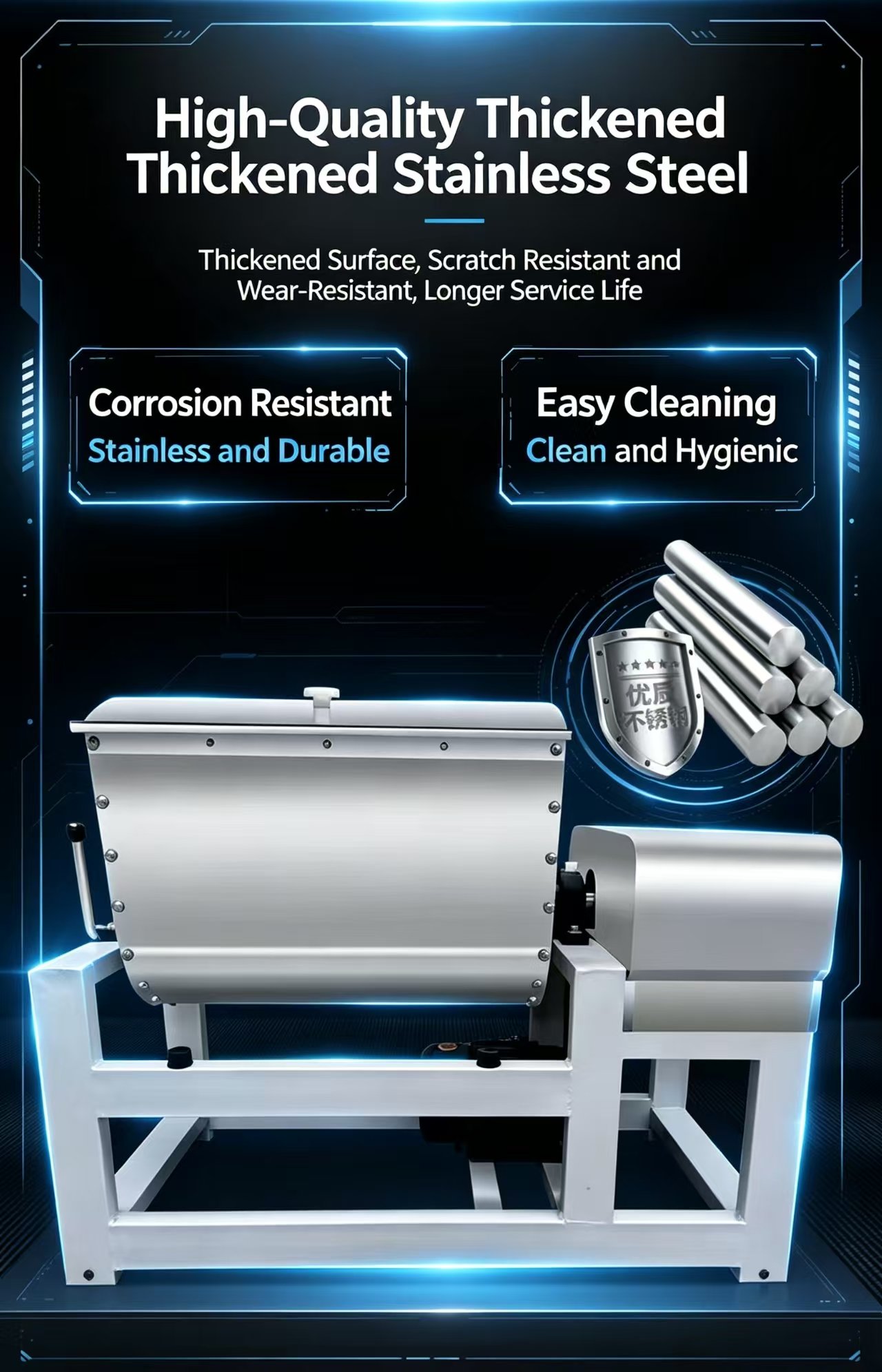
- Mixing and forming process:To avoid material residue and cross-contamination, the equipment is required to use food-grade stainless steel (such as 304/316L), the inner surface is polished to Ra ≤ 0.8μm, and there is no dead angle design, which is easy to clean. For example, the double helix mixer is equipped with a quick-opening discharge valve, which can completely empty the material and prevent accumulation.
- Baking and drying:Baking temperature and time are the key to killing salmonella. Tunnel ovens should ensure that the material center temperature reaches 85 ° C and lasts for at least 2 minutes, and are equipped with temperature recorders and automatic alarm systems to ensure that the process parameters are controllable.
- Cooling and packaging:The cooling section should be equipped with high-efficiency air filtration (HEPA) and positive pressure environment to prevent secondary pollution. The packaging machine should use automatic material sorting, nitrogen filling or vacuum packaging to reduce manual contact.
Production line hygiene design: from equipment selection to daily maintenance
The hygienic design of the equipment directly determines the cleaning efficiency and contamination risk. Buyers should pay attention to the following points when purchasing food machinery:
- Easy to clean:Equipment should support in-situ cleaning (CIP) or quick disassembly, smooth pipeline welding, and no blind pipes. For example, a screw conveyor has a cantilever design that can quickly extract the screw for cleaning.
- Material compliance:All parts that come into contact with materials must comply with FDA or EU standards, and seals and gaskets should be resistant to high temperatures and corrosion to avoid aging and falling off.
- Environmental control:The workshop should be managed by zones (clean area, quasi-clean area, general operation area), equipped with positive pressure air supply, ultraviolet or ozone disinfection devices. In mechanical design, the equipment is kept at a certain distance from the ground and walls for easy cleaning and pest prevention and control.
In addition, establishing an equipment maintenance plan, regularly inspecting easy-to-accumulate-scale components such as conveyor belts and bearings, and keeping good records are key to ensuring long-term hygiene performance.
Application Scenarios: Customized Solutions for Different Products
The processing methods of different foods have different requirements for mechanical prevention and control:
- Baked products (such as cereal bars):The focus is on the cooling process after baking, which requires a belt cooler combined with a dehumidification and air filtration system to avoid microbial growth from condensed water.
- Nut roasted snacks:The seasoning and drying processes are prone to contamination. It is recommended to use a continuous drum seasoning machine to ensure even seasoning without residue, followed by a multi-layer belt dryer to control water activity (Aw <0.6).
- Ready-to-eat cereals:High temperatures during flaking and puffing can sterilize, but attention should be paid to the addition of syrup or nutritional fortifiers during subsequent spraying. An online UV disinfection device can be used for pre-processing additives.
For the "lactation cereal bars" involved in this recall, the raw materials may include nuts, oats, etc., and the consumers are a special group (lactating women), so the risk is higher. Therefore, manufacturers need to strengthen raw material acceptance and final product testing.
Selection Advice and Return on Investment
When purchasing food machinery, it is recommended that you consider the following dimensions comprehensively:
- Automation Level:Automated equipment can reduce the risk of contamination from human operation, for example, automatic packaging lines equipped with metal detection and X-ray foreign object detection to ensure product safety.
- Data Traceability:Choose equipment equipped with PLC and MES interfaces that can record key process parameters (such as temperature, time) to achieve full-process traceability, making it easy to respond to audits and recalls.
- Energy Consumption and Efficiency:High-efficiency and energy-saving sterilization equipment (such as microwave sterilization), although with a higher initial investment, can reduce energy consumption and labor costs in the long run.
Taking a grain bar production line with a daily output of 5 tons as an example, upgrading to fully automatic hygienic equipment may increase the initial investment by about 30%, but it can reduce the product non-conformity rate by 2%-3% and reduce brand losses due to recalls. The payback period is typically within 1-2 years.
In summary, the hygienic design of food machinery is the first line of defense against Salmonella contamination. By selecting equipment that meets hygiene standards, optimizing production processes, and strengthening environmental controls, companies can not only ensure consumer safety but also enhance market competitiveness. For more information on equipment selection and production line solutions, please visit ourProduct Centeror check out theIndustry Newsfor the latest technology updates.
In summary, the Salmonella contamination incident highlights the importance of prevention and control throughout the entire food production chain. From raw material processing to packaging, every step requires scientific mechanical design and strict hygiene management. As a B2B purchaser, you should prioritize the cleanability of equipment, material compliance, and automation levels, and establish a comprehensive maintenance and traceability system. By investing in high-quality food machinery, you can not only reduce microbial risks but also improve production efficiency and gain consumer trust. If you have any questions about equipment selection, please feel free to consult our engineering team, and we will provide you with customized advice.